

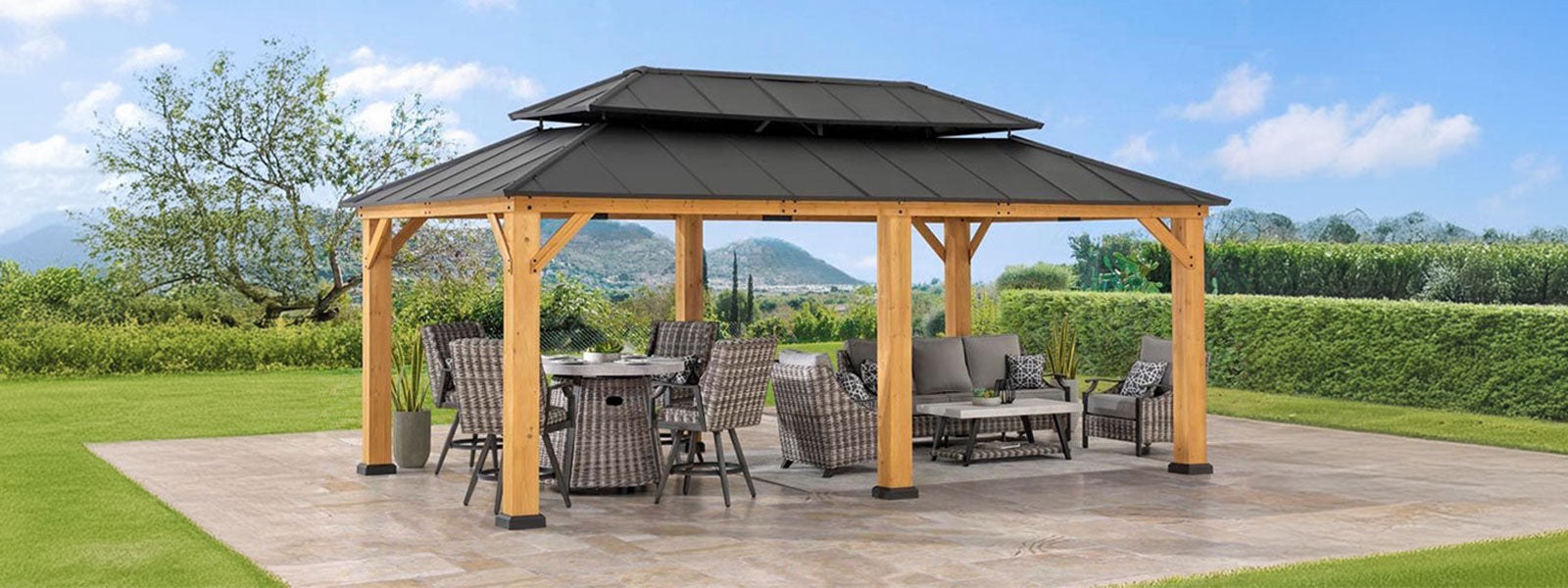
Where design betrays demand
I remember closing a rooftop pop-up in Denver on June 23, 2019 — the canopy blew, customers scattered, and I swore then I’d stop selling the same weak setups to wholesale buyers. I train teams like I train clients: short drills, clear metrics — and that’s why I start every inspection with a gazebo tent check (yes, I tested the 10×12 aluminum-frame model myself). Scenario: a weekend market. Data: 12 reports of fabric tears at 25+ mph wind gusts. Question: does your Outdoor Gazebo survive a single storm without emergency repairs?

I’ve spent over 15 years in B2B supply—ordering bulk canopies, negotiating lead times, and tweaking specs on anchoring systems to drop failure rates. I learned the hard way that traditional solutions focus on looks and price, not on wind load, UV-resistant fabric, or assembly ergonomics. That design-first approach causes returns, lost sales days, and angry clients — measurable consequences: one account lost 18% of weekend revenue after two product failures in 2018. I’ll be blunt: pretty roofs won’t cover bad engineering. Let’s move to what actually matters next.
From failure modes to forward specs
Now, here’s the shift I push when advising wholesale buyers — think performance first, then profit. I break performance into three technical pillars: frame strength (aluminum frame tensile rating), fabric resilience (UV-resistant fabric denier and coating), and anchoring strategy (stake pattern and ballast). When I audit a supplier I request lab data and field photos from at least one live install (I keep a folder of installs from Austin, July 2020). Those specifics reveal real risk faster than glossy brochures. We must stop guessing and use hard criteria — that’s how you keep clients happy and operations lean.
What’s Next?
Here’s a clear, technical checklist I recommend: test samples under 30 mph gusts, verify coating adhesion with a simple salt-spray read, and confirm connection points use stainless fasteners. I’ve seen connection failures (cheap bolts) — they’re tiny, but they ruin trust. Short story: strengthen the joints and you cut return rates. — That’s the play.

Three metrics to choose the right solution
I give wholesale buyers three evaluation metrics to compare suppliers — concise, measurable, and actionable. 1) Structural safety factor: ask for the tested wind-load rating and require a 1.5x safety margin versus expected site gusts. 2) Lifecycle resistance: demand fabric spec (denier + coating) and a quantified UV degradation estimate (years of expected sun exposure). 3) Serviceability score: turnaround time for replacement parts and whether the supplier ships pre-numbered hardware kits (this saves assembly time; I cut install time by 40% once we standardized kits). Use these to rank bids, not pretty photos.
I speak from direct experience: we replaced an under-specified design for a client in Chicago (September 2021) and reduced failures to zero that season — measurable, repeatable. Two quick interruptions: suppliers will try to sell aesthetics first. Stop. Ask for the data. Then verify on-site. If they balk, move on. I firmly believe that disciplined evaluation beats flashy marketing every time. Final thought — buy smart, train crews, and insist on specs that hold up in real conditions. For reliable inventory and tested options, check trusted suppliers like SUNJOY.