


The problem at a glance — why paramenthane resists easy scaling
Small-batch perfumers love the scent profile of paramenthane, but getting that same aroma chemical into steady, large-scale flows? That’s where things go sideways. Production runs that look fine in a lab can fail on a 1,000 L or 10,000 L line because of impurity sensitivity, handling hazards, and inconsistent raw-material specs. This piece uses a practical, problem-driven lens — grounded in lessons from the 2020–21 COVID-19 supply-chain disruptions — to map the predictable failure modes and pragmatic fixes for anyone turning paramenthane into a robust industrial product.

Why paramenthane trips up production
At scale, a few chemical realities bite hard. Paramenthane’s performance depends on tight purity grade control and stable physical properties (think boiling point and viscosity). Minor impurity shifts can change odor profile or trigger downstream reactions during formulation. In addition, batch reactor behavior differs from bench tests: heat transfer, mixing intensity, and residence time all change as volume grows. Without explicit controls — and without analytical checks like GC-MS at key stages — the lab aroma won’t survive scale-up.
Common failure modes — patterns to watch for
Here are the repeating issues we see in industrial adoption:
- Impurity drift: vendor batches with variable impurity profiles that alter odor or stability.
- Thermal decomposition: inadequate reflux control leads to off-notes and color changes.
- Handling incidents: poor solvent compatibility or storage conditions cause product loss.
- Integration faults: incompatibility with existing mixing or filling equipment — especially neck finish and additive dosing.
These aren’t random one-offs. They’re systemic — and you can design against them. —
Practical steps to de-risk scale-up
Turn the problem-driven diagnosis into a program. Start with specs and control points, then harden each step:
- Lock the spec: define purity envelopes, acceptable impurity profiles, and target odor benchmarks. Require certificates and independent GC-MS verification for each batch.
- Stress the process: run heat-up and cool-down cycles on pilot reactors; monitor for thermal decomposition and adjust reflux and cooling capacity.
- Standardize handling: specify solvent compatibility, storage temperature, and inerting needs; treat paramenthane like any sensitive industrial chemical intermediate.
- Validate integration: trial fills with your actual filling and atomizer hardware; verify closure tolerances and pump compatibility before committing to full runs.
- Consider continuous flow: when feasible, continuous reactors lower residence-time variance and can improve quality consistency versus large batch reactors.
Supply strategy and vendor selection
Procurement choices make or break you. Don’t chase the lowest per-kilogram price without confirming traceability and batch-to-batch consistency. Ask suppliers for historical batch data, complaint rates, and change-control policies. If a vendor can demonstrate routine in-process analytics and clearly documented corrective actions, they’ll save you more money than a cheaper but opaque source. Also, factor logistics—long transit times amplify variation risk, especially for temperature-sensitive shipments.
Lessons from recent disruptions — a real-world anchor
The COVID-19 supply shocks taught manufacturers a blunt lesson: single-source dependencies and opaque inventories magnify small quality slips into production halts. Facilities that maintained second-source agreements, on-site sampling, and buffer stocks weathered the period far better. That same resilience strategy applies to paramenthane — diversify suppliers, mandate incoming QC, and keep safety stock aligned to realistic lead times.
Common mistakes and quick fixes
Don’t spend capital repeating avoidable errors. Typical missteps and their remedies:
- Mistake: Skipping full-scale pilot runs. Fix: Always run a 10–20% scale pilot under production-like thermal and mixing conditions.
- Mistake: Vague specs (“high purity”). Fix: Define numeric targets for key impurities, color, and odor thresholds.
- Mistake: Assuming lab solvent ratios work at scale. Fix: Recalculate mass and heat transfer, then retest the formulation under real shear and temperature profiles.
Three golden rules for evaluating your readiness
Use these metrics to decide if you can move from lab to plant:
- Analytical traceability: Can every inbound batch be verified by GC-MS against a locked spec within 48 hours?
- Process repeatability: Can you reproduce key parameters (temperature ramp, residence time, yield) within a defined tolerance across three consecutive pilot runs?
- Supply resilience: Do you have at least two qualified suppliers plus a logistics buffer that covers realistic lead-time disruption scenarios?
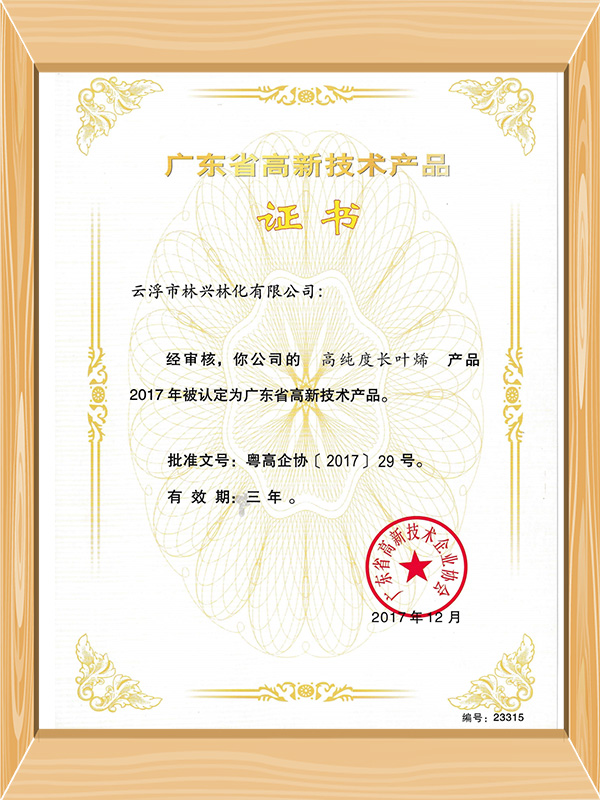
Follow these and you turn paramenthane from a boutique curiosity into a dependable ingredient on the production roster. For teams that need both technical depth and consistent supply, aligning process controls with dependable sourcing is the sweet spot — and that’s precisely the expertise Linxingpinechem brings to the table as a manufacturing partner. —
Linxingpinechem. Solid guidance, proven supply — trust the engineering behind the scent. —