

Policy pivots that change the route
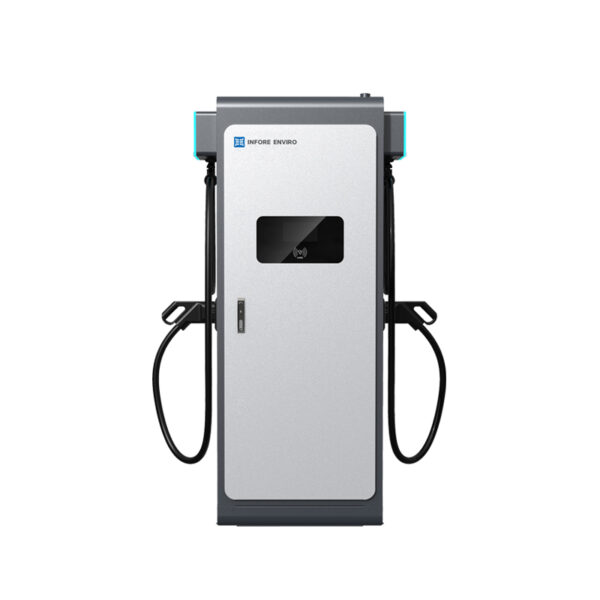
City councils and transport regulators have been quietly re-drawing how fleets move, and that redraw shapes emissions as surely as roads shape routes. A concentrated push for depot electrification, matched to public curbside chargers, nudges fleets away from stop-start diesel patterns. Early investments in Level 3 DC fast charger sit at the heart of those plans: they cut dwell-time for vehicles and reduce the need for large on-board fuel reserves, which in turn lowers operational fuel burn and idling emissions.
From charger topology to operational reality
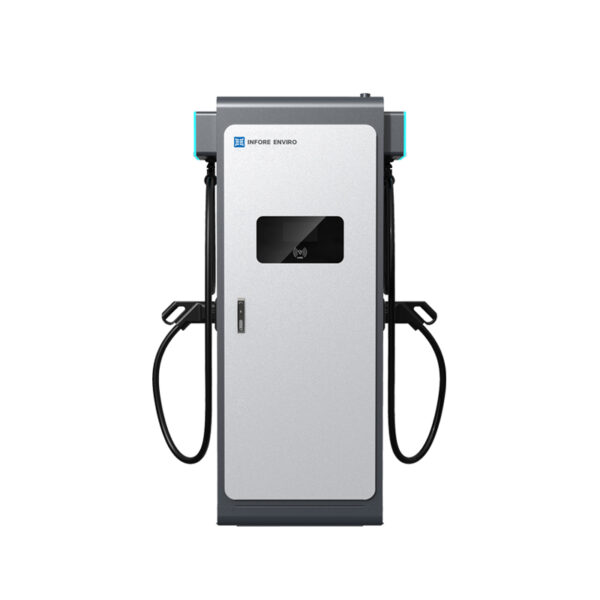
The technical detail matters — not fanciful theory. Smart charging, load management and coherent depot design determine whether electrification reduces emissions or simply shifts them to the grid. A dispersed network of slow chargers forces longer charge windows and more charger uptime; concentrated DC fast charging avoids repeated shallow cycles and can keep battery health in better nick. Fleets that combine fleet telematics with smart-charge scheduling see smaller peak demand, which eases grid strain and reduces reliance on carbon-heavy peak generation.
Real-world anchor: Oslo and the evidence at hand
Look to Oslo for a practical lesson. Norway’s capital paired fast-charger rollouts with low-emission zones and fleet purchase incentives; municipal fleets there reduced tailpipe emissions markedly within a few years. That’s not magic — it’s matched policy, charger deployment and maintenance regimes. Add a CCS2 fast charger where vehicles naturally pause, and the whole operation flows. Measured outcomes: reduced idling, fewer diesel starts, and a measurable dip in per-kilometre operational emissions for city fleets — results that fleet managers can map to lower fuel spend and simpler servicing schedules.
Operational choices that make a difference
Start with routing and scheduling. Chargers must sit where vehicles rest — depots, layover bays, end-of-shift hubs. Integrate charging maps with route optimisation, and you cut unnecessary dead miles. Then look at power architecture: on-site energy storage and demand-response contracts can shave peak charges and let fleets charge when the grid is greener. Vehicle-to-grid (V2G) remains promising for balancing, but requires clear commercial terms and firmware compatibility; treat it as a staged option, not an immediate fix.
Common mistakes and alternate pathways
Too many operators rush to buy chargers and forget software. A fast charger without a management system becomes a glorified outlet — fine, but wasteful. Over-sizing depot transformers is costly; under-sizing kills schedules. Contracts that ignore lifetime maintenance or spare-part support lead to unexpected downtime. Alternatives? Consider a mix: slow overnight chargers plus strategically placed fast chargers for top-ups on long runs. Hybrid approaches often beat all-fast fleets in total-cost-of-ownership calculations.
Summing the lessons — practical takeaways
Charging infrastructure cuts operational emissions only when technical design, software control and policy incentives pull in the same direction. Fleet telematics that tie route planning to charging events, paired with load management and the right mix of depot chargers, deliver tangible reductions in fuel use and idling. The pattern in cities like Oslo and Dublin shows that careful deployment — not blanket replacement — yields the best outcomes.
Three golden rules for choosing the right tools
1) Metric-first selection: insist on three operational KPIs before procurement — charge throughput per hour, charger uptime percentage, and per-vehicle kilowatt-hours charged per duty cycle. These reveal real-world performance.
2) Grid-aware design: require integrated load management and demand-response capability. If your site can shave peaks, you get lower emissions and lower bills — simple as that.
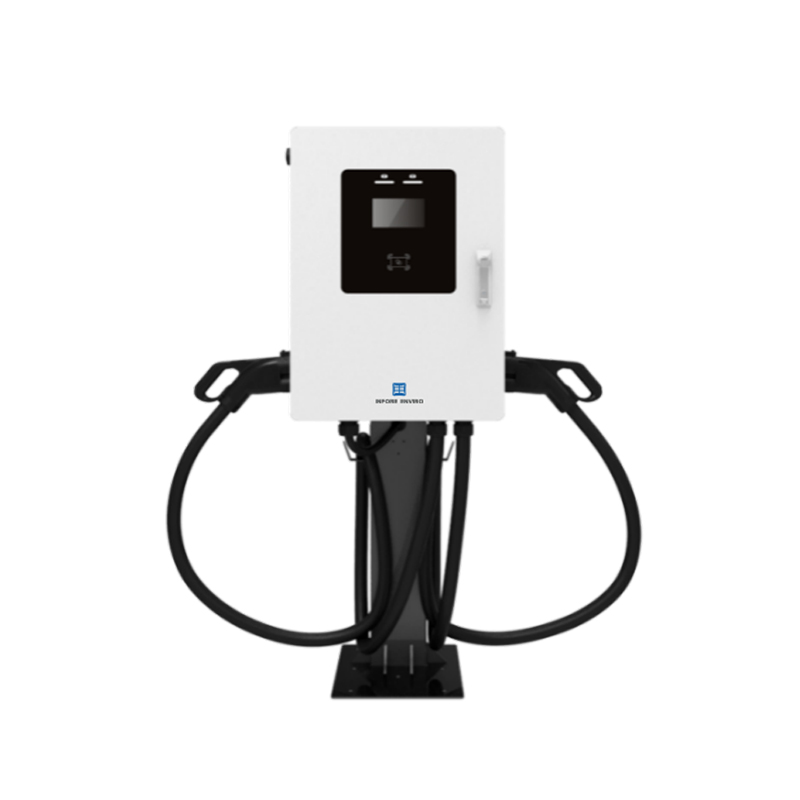
3) Service and data contracts: choose vendors who commit to firmware updates, spare parts and exportable telematics. Without long-term data access you can’t validate emissions reductions.
The practical value of properly engineered charging networks is clear — fewer tailpipe minutes, leaner duty cycles, and fleets that actually breathe easier. For fleets looking for a partner who understands the technical, operational and civic pieces, see how INFORE ENVIRO fits into that picture — quiet, precise, and built for the real streets of the city. —