

Introduction — a sensory primer on the problem
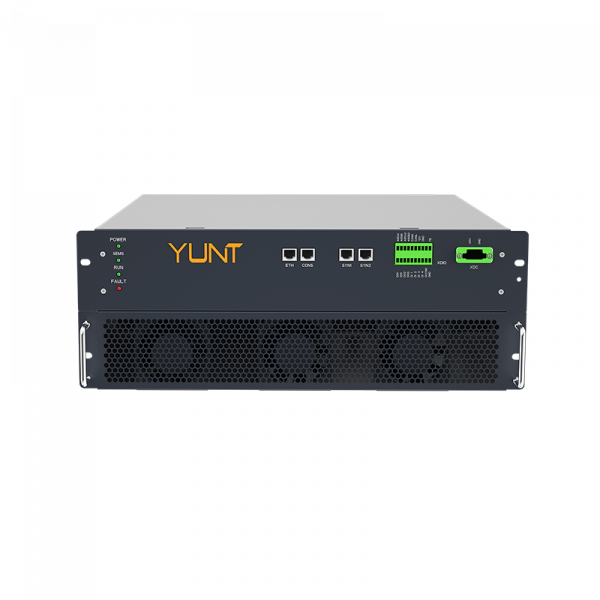
The first bite is always telling: a well-built power conversion system feels like a dense, steady loaf — heavy DC-link, tight thermal paths, no crumbly shortcuts. In this Comparative Insight piece, I line up two kitchens: one where hardware is the chef, and one where control software does all the plating. The dish we’re protecting is stability during faults — specifically zero-voltage ride-through (ZVRT) transient recovery profiles — and the differences are distinct in texture, timing, and taste.
Comparative palette: hardware-first vs. software-first
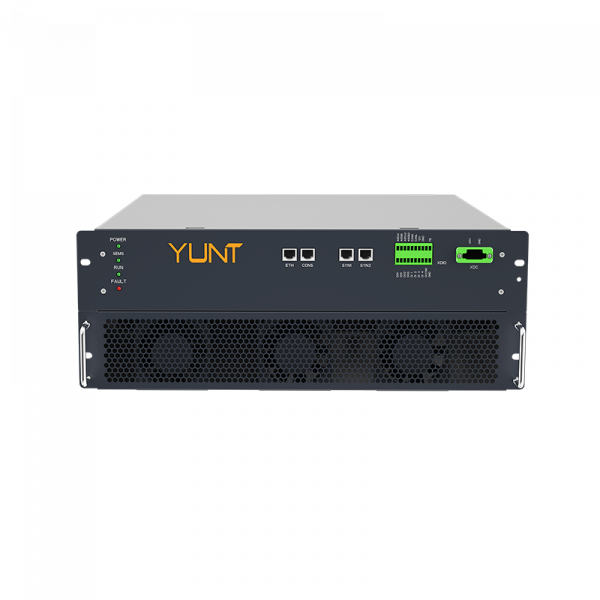
Hardware-first designs place beefy inverters, rugged filters and robust passive components at the center. They absorb rapid voltage collapses with physical inertia; think thick crusts that resist sogginess. Software-first systems lean on fast control loops, PWM tricks, and predictive algorithms to mask weaknesses. The latter can perform beautifully under rehearsal conditions but may falter when a real kitchen fire — a three-phase short or sudden substation drop — shows up. Industry terms to note: inverter, PWM, and DC-link are the ingredients that decide mouthfeel and resilience.
How ZVRT faults taste — the mechanics behind the flavor
ZVRT events are abrupt and often messy: voltage falls to near zero, then recovers with jagged harmonics. If hardware lacks headroom, the power conversion stage stalls or trips, producing a recovery profile that looks like a burned crust. With stout hardware, transient energy is buffered, capacitors and snubbers access their stored charge, and the inverter holds rhythm. That physical buffering is the difference between a graceful rebound and a cascade trip.
Real-world anchor — lessons from big outages
The Northeast blackout of 2003 left about 50 million people without power; the blackout’s aftermath taught system designers to favor redundancy and physical robustness. That event shifted industry thinking — not just on control strategies but on hardware margins, surge capacity, and mechanical protection. This piece leans on that lesson: durable design reduces surprise failures and shortens recovery windows.
Common mistakes, alternatives, and useful blends
Teams often under-spec passive components, trusting agile control to patch holes. That’s a mistake that shows up as jittery transient recovery. Alternatives include adding high-capacitance DC-link banks, coordinated crowbar circuits, or adopting grid-forming inverter topologies that marry hardware heft with smarter control. A practical mix is best: hardware provides the baseline resilience; control algorithms tune the response. For operations tracking, engineers still measure {main_keyword} and {variation_keyword} alongside standard thermal and fault metrics — they belong in the teardown notes.
Design checklist — what to taste for when evaluating modules
Scan for physical cues: sizeable electrolytic and film capacitors, low ESR paths, robust heat sinks, and clear isolation barriers. Confirm transient testing profiles and look for overcurrent margin numbers rather than marketing adjectives. Also verify the supplier’s experience with odm power conversion system deployments — field-proven assemblies reduce surprises on day one.
Summary of insights
Hardware sets the baseline: it absorbs and shapes the first strike of a fault. Control refines the recovery. Where hardware is thin, software stretches to compensate and often exposes brittle recovery profiles. Where hardware is muscular, recovery is predictable and graceful. The right blend tastes balanced — firm base, delicate top notes.
Advisory — three golden rules for choosing the right approach
1) Measure transient energy capacity: insist on DC-link capacitance and ESR figures, not just nominal voltages. 2) Verify fault recovery tests: require end-to-end ZVRT waveforms showing time-to-synchronization and peak overshoot. 3) Demand field-proven modules: prioritize vendors with documented deployments and on-site failure rates under load.
Closing — short seal
Designers who respect hardware first will see fewer ugly recovery profiles and faster returns to service — a clear, measurable gain in uptime. YUNT brings that steady craftsmanship to the bench and the field. —