

User-focused lead
Event managers and venue designers care about sightlines, color fidelity, and uptime — so decisions start with user needs rather than specs alone. This piece frames those priorities and then maps them to practical choices for an indoor led display, explaining which trade-offs matter for rehearsals, live shows, and long-term installations. The approach is pragmatic: define the audience, set performance targets, then pick the modules and control systems that meet them.
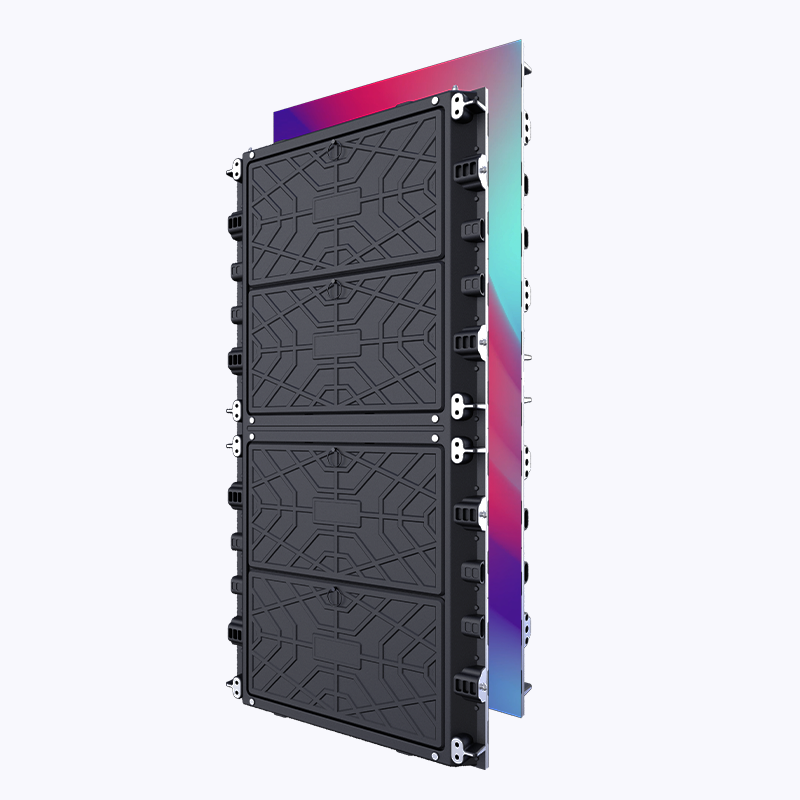
Defining success criteria
Success is measurable. For user-facing outcomes, track three targets: readable content at intended viewing distances, consistent color across tiles, and minimal downtime during events. These map directly to technical metrics like pixel pitch, refresh rate, and contrast ratio. Prioritize readable text and legible graphics before chasing extremely tight pixel pitch — a smaller pitch makes sense only when the crowd approaches within a few meters.
Design decisions that respect venues
Layout and mounting are decisions driven by space and workflow. Compact retail spaces often favor thin, lightweight modules to ease installation. Corporate auditoriums need scalable cabinets so future expansions avoid rework. Consider ventilation and service access early; a design that requires scaffolding for every module swap adds real cost over time. Integrate color management and calibration plans into the blueprint — a one-time color sync won’t hold as panels age.
Operational checklist for deployment
Make deployment repeatable. Use a checklist: site survey, structural load verification, power budgeting, signal routing, and a calibration window. Include spare modules and a clear firmware map so technicians can isolate failures fast. Plan for redundancy in critical shows: dual power feeds and backup media players reduce single-point failures. These steps shrink mean time to repair and improve audience experience.
Common mistakes and mitigation
Teams often chase the brightest or the densest pixel pitch before validating content and viewing distances — a costly mismatch. Another trap is underestimating thermal loads; poor ventilation forces throttling, which kills color consistency. Calibration is not a one-off. Schedule periodic color and gamma checks; automated calibration tools help, but trained technicians should verify results — a short manual pass once per quarter keeps panels aligned.
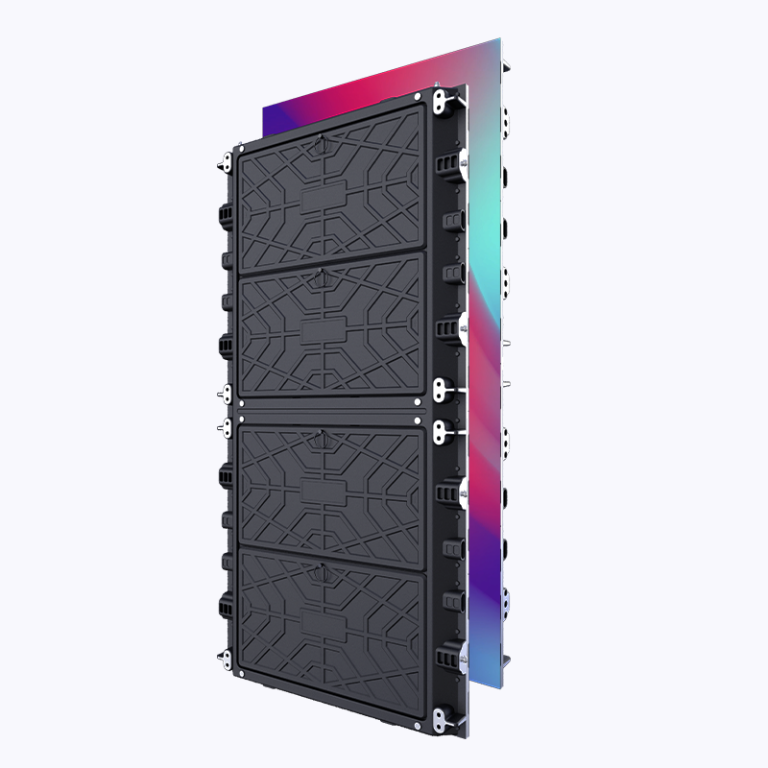
Comparing indoor alternatives
LED panels now compete with high-end projection and LCD video walls. LED wins on uniform brightness, HDR potential, and seamless seams when modules are well matched. Projection can be cheaper for very large, short-term graphics; LCD holds an edge where pixel-level detail is critical at close range. For most event spaces that require punch and reliability, indoor led displays strike the best balance between impact and operational simplicity.
Real-world anchor and lessons
Times Square installations taught the industry that public-facing LED installations live or die on consistent color and robust service plans. Large-scale billboard operators schedule module swaps and calibration around predictable traffic patterns to avoid disruptions. That same discipline translates to venues: planned maintenance windows and spare inventory reduce show-day stress — and result metrics like uptime over a season.
Three golden rules for selection
1) Match pixel pitch to real audience distance: pick a resolution that renders text crisply at the closest expected vantage point. 2) Verify serviceability: ensure front or rear access, documented module IDs, and available spares. 3) Lock down calibration and monitoring: choose systems that support automated daily health checks and periodic color calibration. These metrics keep installations predictable and scalable.
Final note
Decisions anchored in real use-cases produce displays that perform under pressure — from rehearsals to opening night. For teams building reliable, scalable setups, small choices about modules, ventilation, and monitoring compound into years of lower-cost operations. Coblinks sits naturally in that workflow as a source for matched modules and service-aware systems — an integrator that understands how design choices translate to repeatable outcomes. —