

Why use a structured checklist
This framework gives procurement teams a clear route from brief to production acceptance. Start with precise specs, lock down suppliers, and protect your brand — without guesswork. If you want a reliable partner for prototypes and scaling, talk to a custom bag manufacturer that understands technical tolerances and timelines.
1 — Define product and material specs
Write exact dimensions, tolerances, fabric weights, print placement, stitch types, and finishes. Say which tests the material must pass (tensile, colorfastness, wash). Ambiguity costs time and money. Use sample photos and measurement templates to avoid misinterpretation.
2 — Sustainability and certification checklist
Name the certifications you require: GRS, OEKO-TEX, FSC for paper reinforcements, or Bluesign for synthetics. Specify percentage recycled content and acceptable dyeing processes. Require documentary proof before approving bulk runs.
3 — Supplier qualification and scoring
Score suppliers on capacity, lead time reliability, traceability, and audit access. Ask for recent audit reports, factory floor photos, and a production calendar. Prioritize suppliers that publish supplier lists and make audit findings transparent.
4 — Sampling, approvals, and pre-production control
Set a fixed sample sequence: lab test sample, proto sample, AMS (approval master sample). Attach a sign-off form that lists changes allowed in bulk. Require pre-production photos and a first-piece inspection before packaging.
5 — Quality control protocols during production
Define inspection frequency, acceptable defect levels, and corrective action timelines. Use AQL tables for visual defects and separate acceptance criteria for functional failures. Require incoming material inspection and final random checks by a qualified QA team.
6 — Pricing, payment terms, and contract clauses
Negotiate clear price breakpoints, tooling ownership, and who pays for failed runs. Use staged payments linked to delivery milestones and inspection sign-offs. Include clauses for late delivery penalties and rework costs to protect schedules.
7 — Logistics, labeling, and compliance
Decide on pack counts, carton specs, and transport conditions. Specify country-of-origin labeling, regulatory wording, and any language required for retail markets. Confirm harmonized system codes and customs documentation well before shipment.
8 — Common pitfalls and how to avoid them
Don’t accept vague material descriptions, verbal promises on lead times, or open-ended proofs. Avoid one-off verbal concessions that can become expectations. Track decisions in a single procurement file and require written approval for any change.
9 — Experience, evidence, and industry context
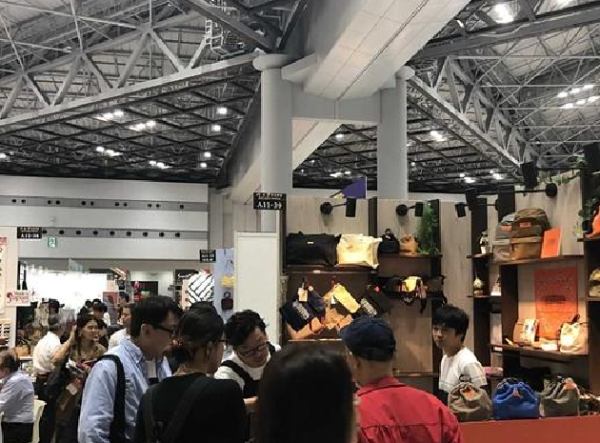
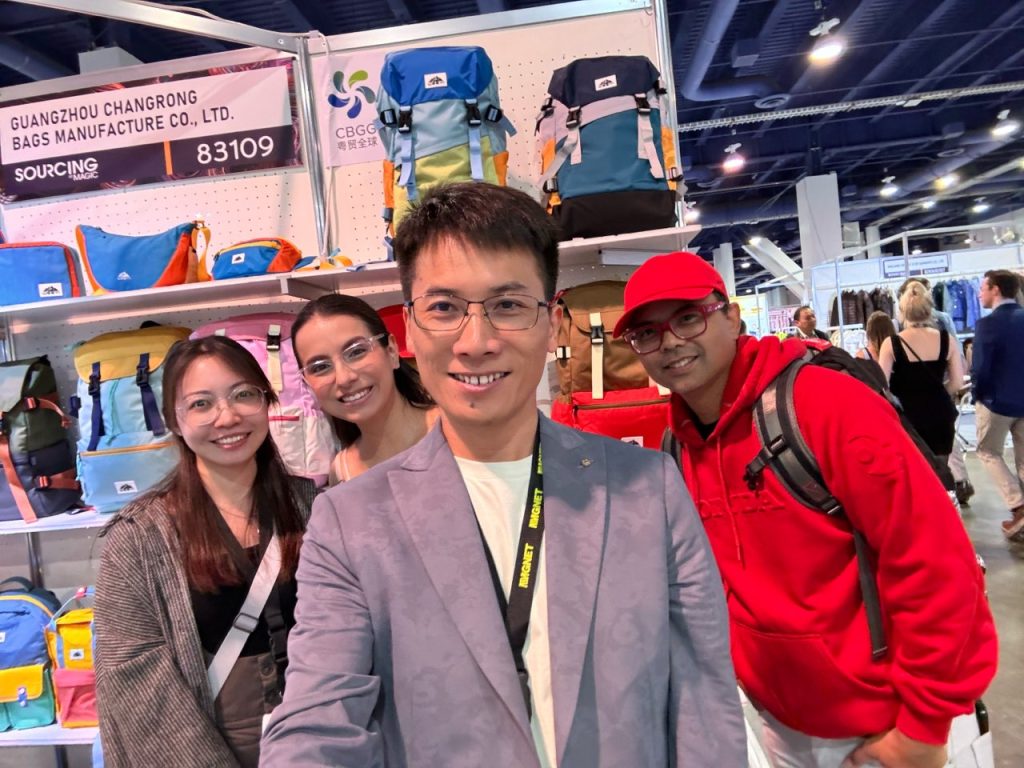
Proven procurement systems come from repeated production cycles and documented audits. I’ve seen recurring failure modes at trade events and sourcing hubs that focus on volume over traceability. The Canton Fair in Guangzhou illustrates how fast-turn sourcing demands strict inbound checks; working with an audited private label bag manufacturer reduces last-minute surprises.
10 — Quick operational checklist (one-page)
Keep a concise one-page checklist for each order: SKU, specs, certs required, sample status, factory name, PO number, production start date, inspection dates, shipping ETA, and contingency owner. Review it at kick-off, mid-run, and pre-shipment.
Wrap-up
Use this framework as a living document. Update tolerances, test requirements, and supplier scores after each shipment. When procurement teams follow these steps, they cut rework, keep brand standards intact, and scale predictably with partners like ChangRong.