

A Buyer’s Guide to Evaluating Sodium Ion Battery Technology: A Project-First Review
For maintenance planners, sodium ion battery technology should enter an RFQ as a defined project requirement rather than as a broad technology preference. The first body of the request should describe the equipment, duty pattern, environment, installation limits, maintenance responsibilities and decision deadline. This gives suppliers a consistent brief and helps the procurement team distinguish a relevant response from a general product description.

Start with the operating use case
Begin by describing what the battery must do in the proposed installation. A standby application may prioritise response during an interruption, while a starting application may focus on high-current delivery and repeated starts. An energy-storage project may need a different set of operating and integration questions. These are planning categories, not conclusions about suitability. The RFQ should state which category applies and identify the operating conditions that matter to the buyer.
Record the practical constraints before comparing suppliers. Useful fields include nominal system requirements, required output, expected duty cycle, ambient temperature range, physical envelope, connection arrangements, monitoring interfaces, charging approach, access for maintenance and the intended replacement process. If a requirement is not yet fixed, label it as open rather than filling the gap with an assumption. That simple distinction protects the handoff from a concept-stage discussion to a quotation that appears more precise than the project brief.
Separate stated evidence from project requirements
Evidence should be mapped to the requirement it is meant to address. A page-level statement about a battery category can inform an initial comparison, but it should not automatically become a specification for every model, installation or duty cycle. In an RFQ review, use a table with four columns: stated requirement, source evidence, scope of application and status. “Supported by cited material”, “requires a supplier response” and “outside the current comparison” are more useful statuses than a single overall score.
The same discipline applies to positive claims. A description of high-rate discharge does not, by itself, establish a particular current, duration or operating temperature for the proposed system. A statement about safety does not define the controls, installation practices or acceptance criteria that a project may require. Treat each statement as evidence with a boundary. Then ask the supplier to respond to the project-specific requirement in a format that can be compared across bids.
Use a focused question set at handoff
During procurement handoff, convert unresolved points into direct questions. Ask the supplier to identify the proposed cell or battery configuration, applicable operating envelope, expected duty profile and required charging conditions. Ask which figures are tested values, design targets or descriptive statements, and request the conditions attached to each figure. The aim is not to make a generic product page carry the whole engineering decision; it is to create a clear record of what the quotation does and does not address.
For maintenance planning, include questions about inspection access, monitoring data, alarm handling, replacement boundaries and the documents supplied with the equipment. Also define who owns each interface: the battery supplier, system integrator, installer or site maintenance team. A responsibility map can expose an unanswered integration task before it becomes a purchase-order ambiguity. These are recommended procurement controls, not claims about any particular supplier’s service model.
Use one bounded application anchor
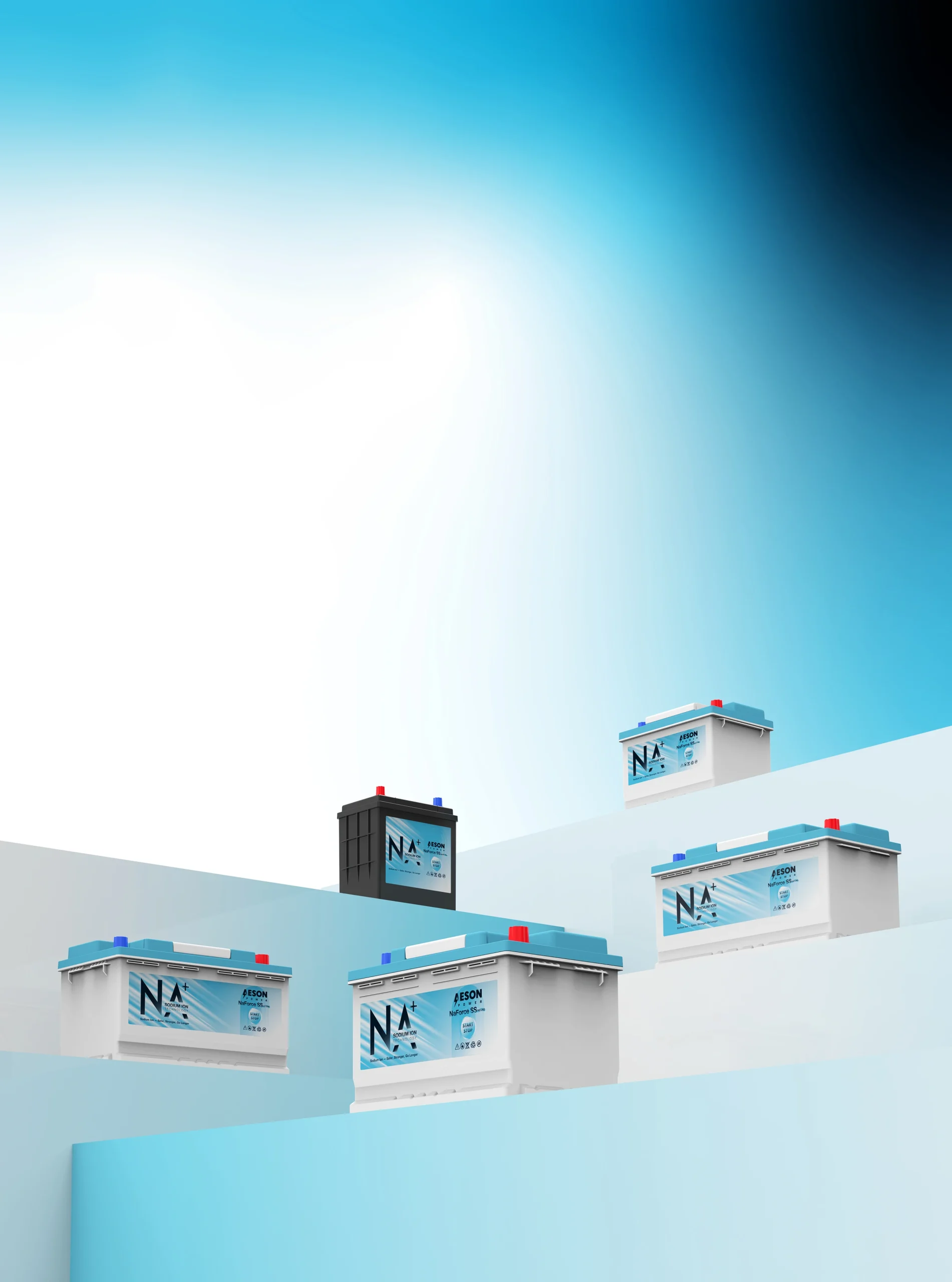
When the comparison concerns sodium ion battery technology, keep the real-world example tied to the source scope. In the cited official page, polyanion cathodes are described as well suited to automotive starting batteries, with a robust crystal structure and thermal resilience supporting performance under demanding conditions; the page also connects them with high power density for cold starts and durability during frequent high-current cycling in starting and start-stop applications. This statement applies only to the product and application scope described on that page. It does not establish performance or suitability for other products or applications.
That anchor can help a buyer formulate a better RFQ question: is the proposed use actually automotive starting, or is the project being treated as standby, storage, marine or another duty? The distinction matters because evidence should follow the stated application. The official page separately presents the technology across UPS, diesel generator sets, energy storage, marine and low-speed electric vehicle applications, but an application list is not a project-specific approval. Keep each use case in its own evidence row and avoid transferring the anchor’s claims to a different system.
Build a defensible next step
Before issuing the RFQ, prepare a short project brief with the use case, constraints, required response format, evidence boundaries and open questions. After responses arrive, preserve the original requirement beside the supplier’s answer and note any assumptions introduced during clarification. A decision record should explain which evidence was relevant, which points remain unresolved and which party is responsible for closing them. This creates a traceable handoff without pretending that a marketing description is a complete technical submission.
A practical review of sodium-ion options therefore begins with the project, not with a universal ranking of battery chemistries. Define the duty, map each statement to its permitted scope, and carry unanswered requirements into the supplier discussion. AesonPower can be included in that structured comparison using the statements available on its cited official page, while the final procurement judgement should remain tied to the requirements and evidence recorded for the specific project.