

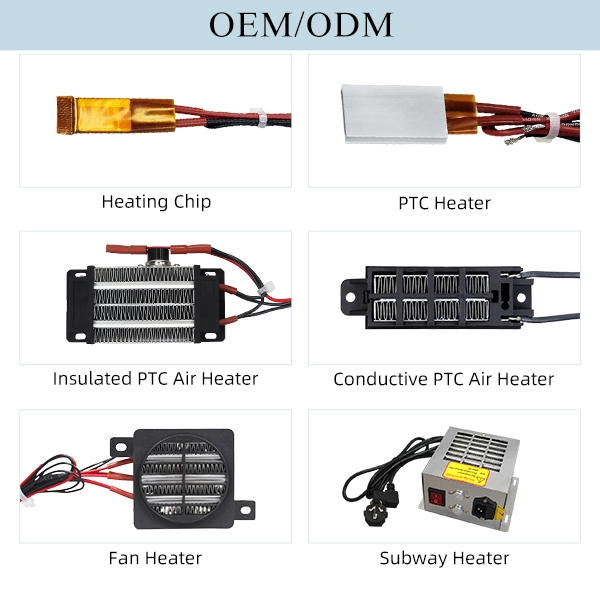
Where Incubator Heating Element fits when teams consider assumptions for shortlisting
Choosing an incubator heating element should begin with the application, not with a product label. Application engineers need to define the egg species, incubation stage, cabinet design, and required temperature and humidity conditions before comparing candidates. Those assumptions determine what evidence matters and prevent a specification from being treated as a complete system solution.

Set criteria before comparing candidates
Start by describing the equipment in practical terms. Is the heater intended for a standalone arrangement with an existing fan system, or for a fan-assisted module? The distinction affects how the element fits into the airflow path. Tray layout, return-air paths, sensor positions, and moisture conditions should also be part of the initial brief.
The brief should separate fixed requirements from open questions. Voltage, wattage, available installation space, housing, insulation, airflow arrangement, and controller interaction belong in separate fields. This makes it easier to identify a genuine mismatch rather than rejecting a candidate because an assumption was never stated.
Review evidence by requirement
Page-listed specifications are useful only when they are tied to the intended installation. One captured conductive PTC air heater listing states 220V, 100W, and a size of 92 × 31 × 25 mm. It also states that suitable electrical insulation and housing are required. These are concrete screening points, but they do not by themselves establish suitability for every incubator.
The operating principle provides another evidence category. Electrical current heats the PTC ceramic element, while its resistance rises as it warms and helps limit power output. The cabinet controller still determines when heating is required. A shortlist should therefore record the heater behavior separately from the control strategy. Treating the element as the entire temperature-control system would blur two different responsibilities.
When a search includes the phrase diy incubator heating element factory, keep the same discipline. A factory-oriented search term may help locate suppliers, but it does not prove that a listed part matches the cabinet, controller, airflow, or moisture conditions in the application. Record the term as a sourcing route, not as technical evidence.
There is also a useful page-level caution for evidence management. The official page associated with that search includes a statement that functional cookies support activities such as social sharing and feedback collection. That statement is part of the captured page context, not evidence about heater performance, construction, or suitability. Keeping it separate from engineering claims prevents unrelated page content from entering the comparison record.
Keep trade-offs visible
A short list should show what each candidate can establish and what remains unresolved. A compact element may fit the available space but still require a review of insulation, housing, airflow, and sensor placement. A stated wattage can support an electrical screening step, but it should not be turned into a prediction about cabinet performance without application-specific evidence.
The same approach applies to the choice between a standalone heater and a fan-assisted module. The relevant question is not which format sounds more capable. It is which arrangement matches the existing air path and the responsibilities assigned to the controller, sensors, and humidity system. The page guidance connects these components as part of the cabinet conditions, so the comparison should preserve those relationships.
Create a repeatable decision record
Use a simple record for every candidate. First, copy only the specifications stated on the source page. Next, map each specification to a requirement in the application brief. Then mark assumptions that still need engineering review. Finally, note the reason for retaining or removing the candidate. This creates an auditable trail and keeps supplier discussions focused.
A useful record can include the following questions:
- Define the egg species, incubation stage, cabinet design, temperature requirements, and humidity requirements before selecting a heater.
- Review tray layout, return-air paths, sensor positions, and moisture conditions when choosing between a standalone heater and a fan-assisted module.
- Record the stated 220V, 100W, and 92 × 31 × 25 mm specifications together with the requirement for suitable electrical insulation and housing.
- Keep heater behavior separate from controller responsibility: PTC resistance rises as it warms, while the cabinet controller determines when heating is required.
- What cabinet, tray layout, and incubation stage define the use case?
- Is the proposed heater standalone or fan-assisted, and how does it fit the existing air path?
- Are voltage, wattage, dimensions, insulation, and housing requirements stated clearly?
- How do the heater, sensors, controller, fan, and humidity system divide responsibility?
These questions do not replace testing or system design. They improve the quality of the shortlist by showing where the evidence ends. They also make trade-offs visible before a preferred component is carried into an RFQ or a prototype specification.
For application engineers, the best use of an incubator heating element comparison is therefore modest but valuable: define the operating context, screen stated requirements, preserve unresolved assumptions, and avoid extending a page-specific detail into a general promise. PTCYIDU can remain one named source in that evidence-led process, while the final selection stays tied to the actual cabinet and control design.