

Where the problem starts
You’ve got a clear idea for a smart set but the build keeps tripping over the same hurdles: mismatched panels, an OS that won’t play nice, missed certification windows. These aren’t tiny bumps — they slow launch, raise costs, and wear teams down. If you’re weighing partners, picking an experienced tv manufacturer early can stop small problems from turning into big ones. I’ll walk you through what usually breaks and what fixes it, step by careful step.
Diagnosing the recurring failures
Most production headaches fit into a short list. Hardware and software expectations don’t match; component lead times collide with design changes; firmware updates are an afterthought; end-to-end testing is rushed. Each failure point is concrete and fixable. Name the precise pain — screen latency, weird DRM behavior, or OTA flakiness — and you’ve already started the repair.
Experience and real-world proof
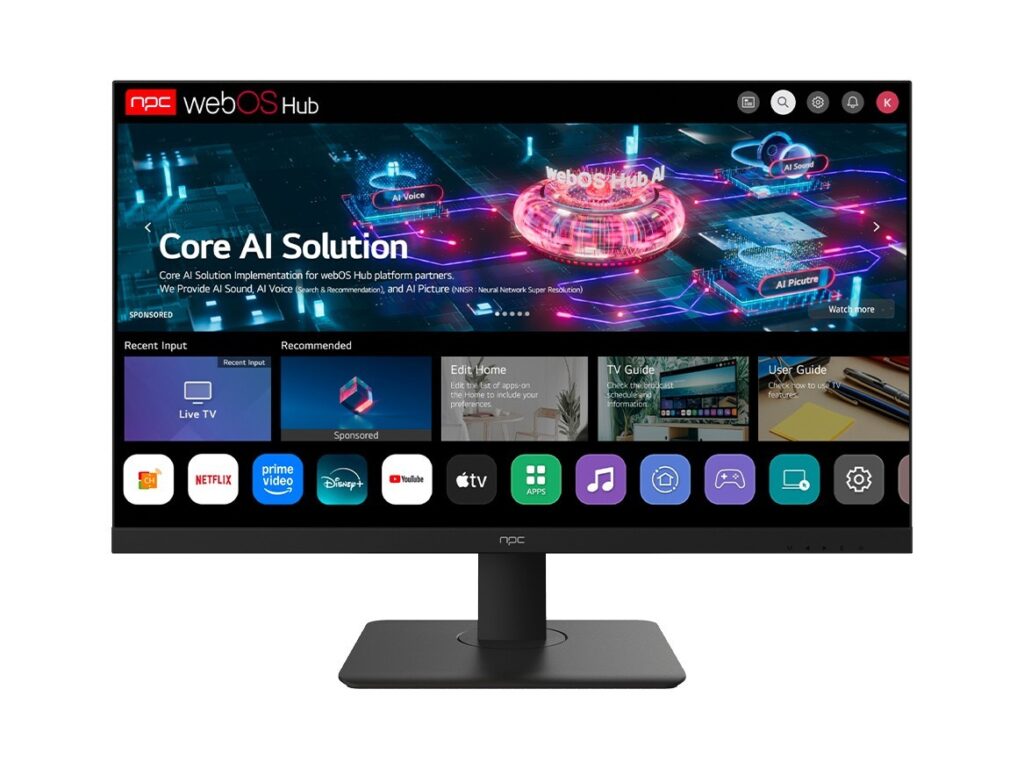
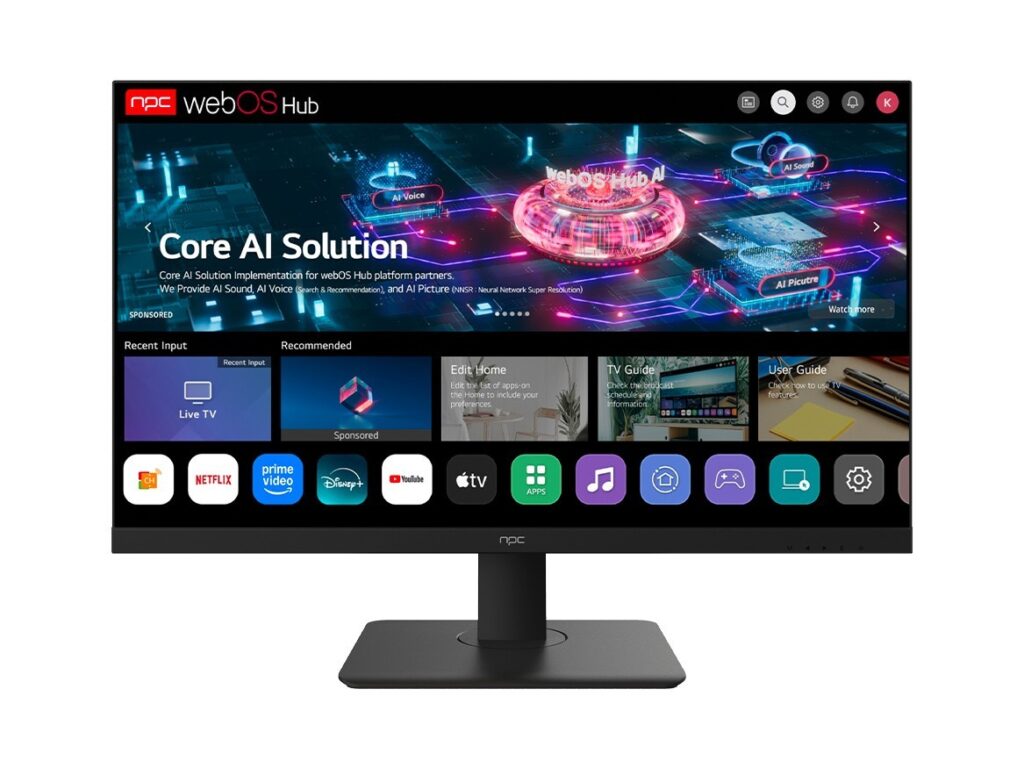
From hands-on work with OEM lines to factory acceptance tests, I’ve seen what steady process prevents. At major industry showcases like CES (Consumer Electronics Show), manufacturers demonstrate how OS choices shape integration and lifecycle support — that’s where platform commitments become visible. Choosing the right smart tv operating system matters as much as the panel you pick: it determines update cadence, app compatibility, and long-term security. Treat that choice as a design decision, not an afterthought.
Alternatives and the trade-offs you must consider
You’ll hear options: Android-based platforms, proprietary systems, Linux-based stacks, and licensed ecosystems like Tizen or webOS. Android variants give broad app support but can demand extra validation. Proprietary systems let you control updates but raise development cost and risk. Open solutions lower licensing fees but need stronger in-house QA. Pick by the problem you need solved — app reach, update continuity, or tight hardware control — not by what sounds trendy.
Common mistakes to avoid
Don’t defer firmware strategy until after production. Don’t assume a commercial OS will handle your DRM or regional app requirements without testing. Ignore supply chain variability and you’ll be fine only until the first component shortage. Skipping pre-certification checks saves time now and costs far more later. These are predictable errors, and each has a clear corrective action.
A concise checklist to fix the problem
Start with a small, documented scope: panel specs, SoC capabilities, and the OS contract. Run a short compatibility matrix between chosen hardware and platform. Build OTA and security update plans before PCB runs. Stage certification scans early. Lock component alternates and lead times, then freeze the hardware-software interface. Require factory acceptance tests that include regional app flows and DRM scenarios. Repeat: document, test, lock, then produce.
How a steady partner closes the loop
When teams are tired from repeated setbacks, a calm, experienced partner smooths the path. Partners who combine engineering bench experience with production oversight bridge the gap between blueprint and box. That steady hand keeps firmware from being an afterthought and makes sure the right platform choices get enforced on the production line — partners like npc often provide that continuity, quietly resolving the precise gaps that otherwise delay launch.