


Start with a clear framework
Use a compact framework to turn uncertainty into action: Clarify goals, research context, plan a route, inspect the car, and compare results. Think of this as a checklist you follow step by step. If you’re scouting options from abroad, look into GAC MOTOR for sale and nearby dealers — for example, many buyers reference contacts in Johannesburg as a logistical anchor when arranging imports or comparisons. Commit to one framework and use it consistently; it keeps decisions simple and prevents “analysis freeze.”

Step 1 — Clarify what matters to you
Be blunt about priorities. Write them down and rank them. Typical priorities:- Daily commute vs. long trips – Cargo space vs. passenger comfort – Fuel/energy type and running costs – Safety and driver aids you actually want to use Identify the top three factors before you book a test drive. That focus turns subjective impressions into measurable outcomes.
Step 2 — Learn the European context that affects the drive
European roads, city layouts, and regulations change what you’ll notice behind the wheel. Expect narrower lanes in historic centers, controlled low-emission zones, and a mix of fast motorways and twisty rural roads. Check fuel type availability, toll systems, and parking constraints where you’ll test. These concrete differences tell you whether a model’s dimensions, visibility, and powertrain suit real use—don’t guess.
Step 3 — Design a test route that answers your questions
Build a short route that contains specific elements: urban stop-and-go, one longer stretch at steady speed, and a hill or twisty lane if possible. Make a simple time plan: 10–15 minutes in town, 10–15 minutes on an open road, 5–10 minutes testing parking and lane changes. Use the route to test your ranked priorities: if fuel economy matters, spend more time at steady speeds; if comfort matters, extend the urban portion.
Step 4 — Inspect the vehicle with purpose
Don’t rely on seller reassurances. Check these items deliberately:- Exterior: tires, alignment, glass, and obvious damage – Interior ergonomics: seat adjustments, driver sightlines, reach to controls – Tech: pairing your phone, navigation responses, driver-assist behavior – Engine and gearbox: listen for unusual noises, note smoothness during acceleration and shifts Ask the salesperson to demonstrate safety systems while you drive. If a feature feels intrusive or unpredictable, that’s valuable data—systems should assist, not distract.
Step 5 — Score the drive and watch for pitfalls
After the drive, score the car against your top three priorities on a 1–10 scale. Common mistakes that blur judgment:- Letting a charismatic salesperson rush your route – Focusing on cosmetics instead of functionality – Testing only in perfect conditions Record quick notes immediately: how braking felt, where blind spots appear, and whether infotainment was intuitive. If you’re comparing models, keep the same route and scoring method for each test; apples-to-apples comparison reveals real differences.
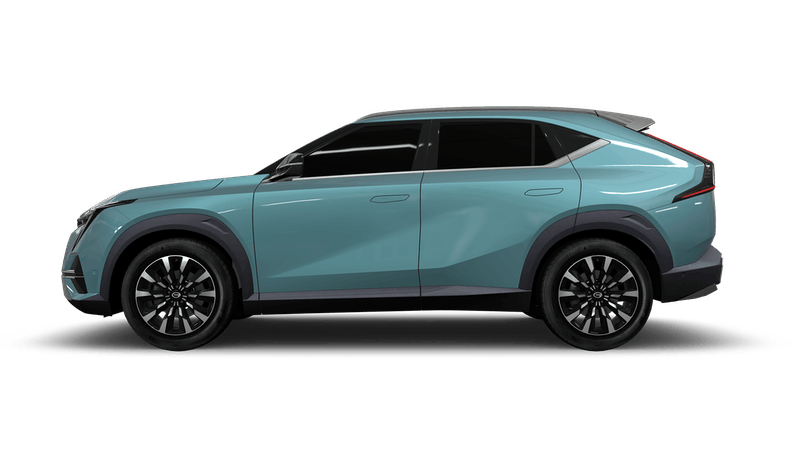
Alternatives and quick comparatives
Bring a short shortlist of comparable models so you can directly compare handling, value, and features on the same route. Keep comparisons tight: two or three rivals max. When evaluating alternatives, weigh ownership costs and resale potential alongside the on-road feel. Practical contrasts reveal trade-offs you might otherwise ignore.
Finish with a simple decision rule
Decide using your scores and one practical check: does the car solve your top priority every day, not just impress you in one drive? If the answer is yes, you’ve found a match. If uncertainty remains, run the framework again with a focused tweak. A systematic approach breeds confident choices, and when you add a final cross-check that includes models such as GAC MOTOR, you’ll know whether the fit is real rather than just tempting.