

Imagine standing on a manufacturing floor, surrounded by complex machinery—machines that have been known to fail at the most inopportune moments. According to industry studies, machinery failures can lead to significant production downtime, resulting in financial losses that can stack up to thousands of dollars an hour. Within this painful context, the compacting die emerges as a crucial component, yet its importance is often underestimated.
Flaws in Traditional Solutions
In traditional manufacturing settings, the reliance on conventional dies has revealed inherent flaws—inefficiencies and increased scrap rates being at the forefront. Conventional dies may lead to subpar material compatibilities, ultimately compromising product integrity. The question remains: why are manufacturers still clinging to such outdated solutions? The answer lies in a fundamental misunderstanding of manufacturing technology and its evolution.
Principles of New Technology
In recent years, innovative approaches have revolutionized die manufacturing, particularly with the advent of advanced materials and techniques. For instance, understanding the thermodynamic principles allows engineers to design dies that achieve optimal thermal conductivity—an essential factor in reducing cycle times. Such advancements in compacting die design have aligned more closely with modern production requirements, resulting in greater operational efficiency.
Quantified User Benefits
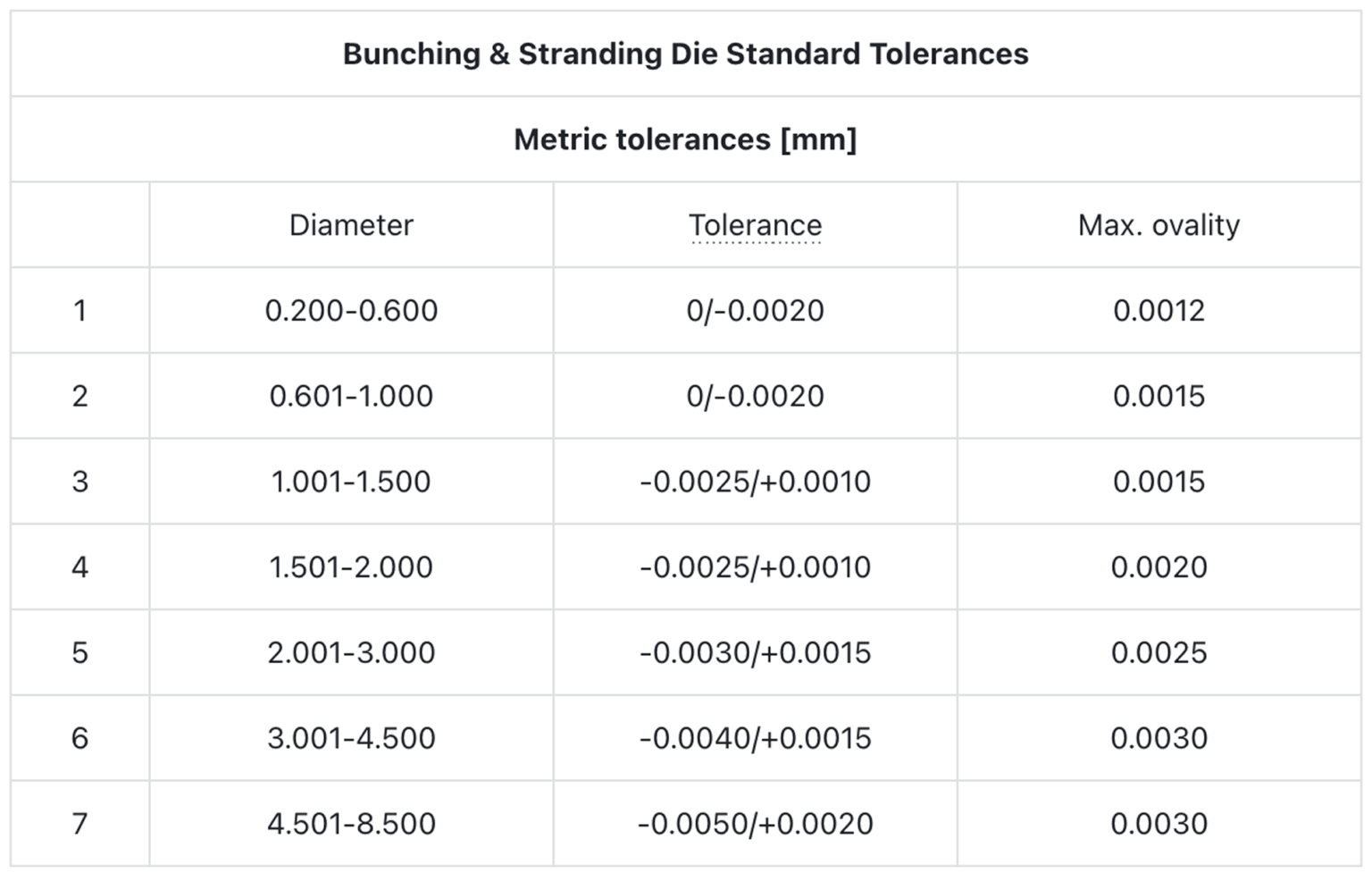
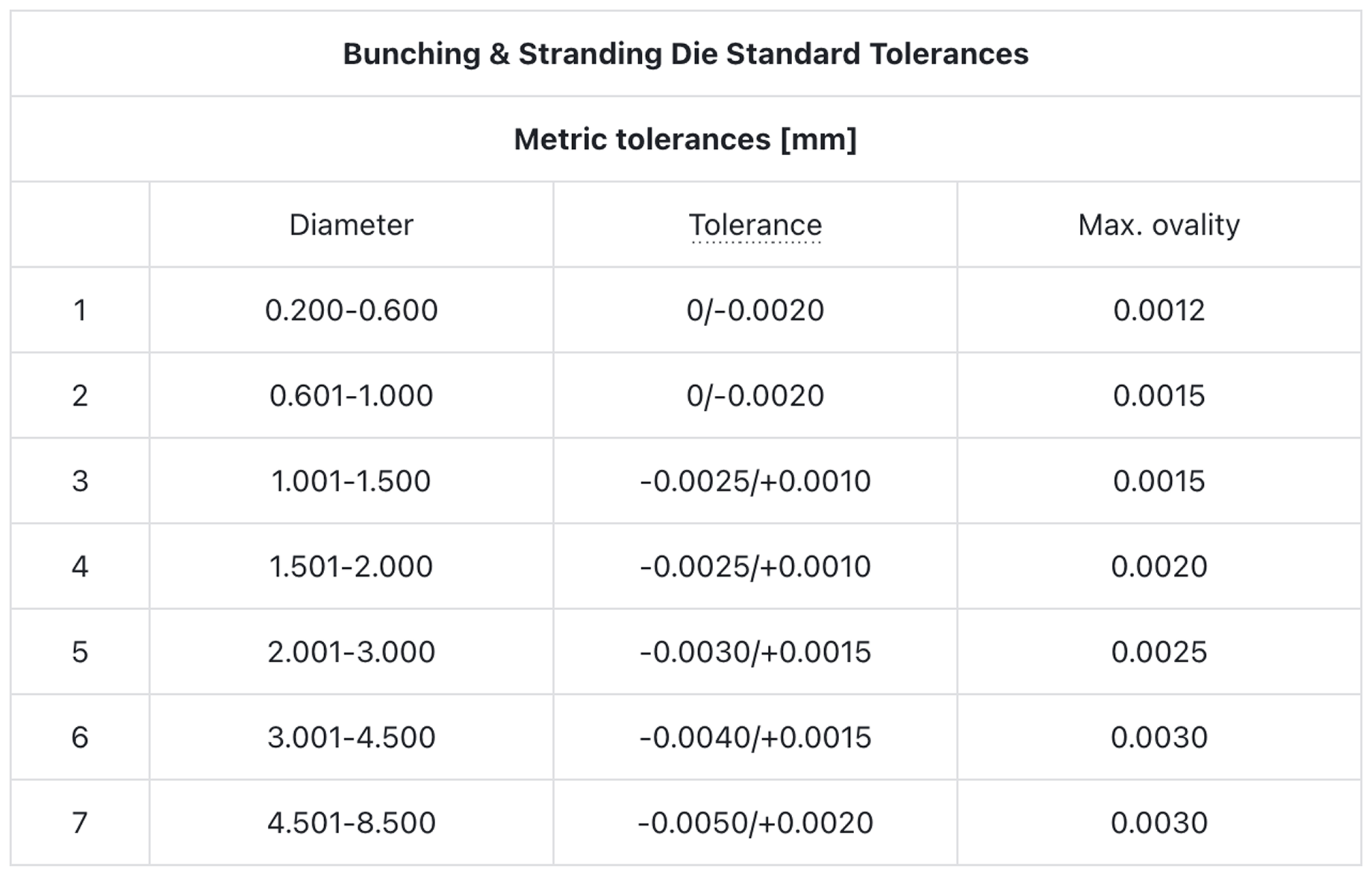
Manufacturers implementing modern compacting die systems report a measurable decrease in production costs and an increase in output quality. This is not mere speculation; statistically significant improvements have been documented. With these new technologies, users are achieving longer lifespans for their dies, leading to fewer replacements and less maintenance. Additionally, these innovations help achieve tighter tolerances, which are paramount in high-precision industries.
Call-to-Action: Evaluating Your Options
When considering solutions for die manufacturing, always verify these three metrics: ① material compatibility ② production efficiency ③ lifecycle cost. These criteria serve as essential guidelines to ensure that you invest in the most effective compacting die solutions available.
PCD Compacting Die
The introduction of the PCD compacting die has significantly influenced modern manufacturing practices. This high-precision die utilizes polycrystalline diamond (PCD), integrating advanced engineering techniques. As a result, manufacturers experience enhanced wear resistance, leading to longer service lives and reducing the frequency of die replacement.
Wire Compacting Die
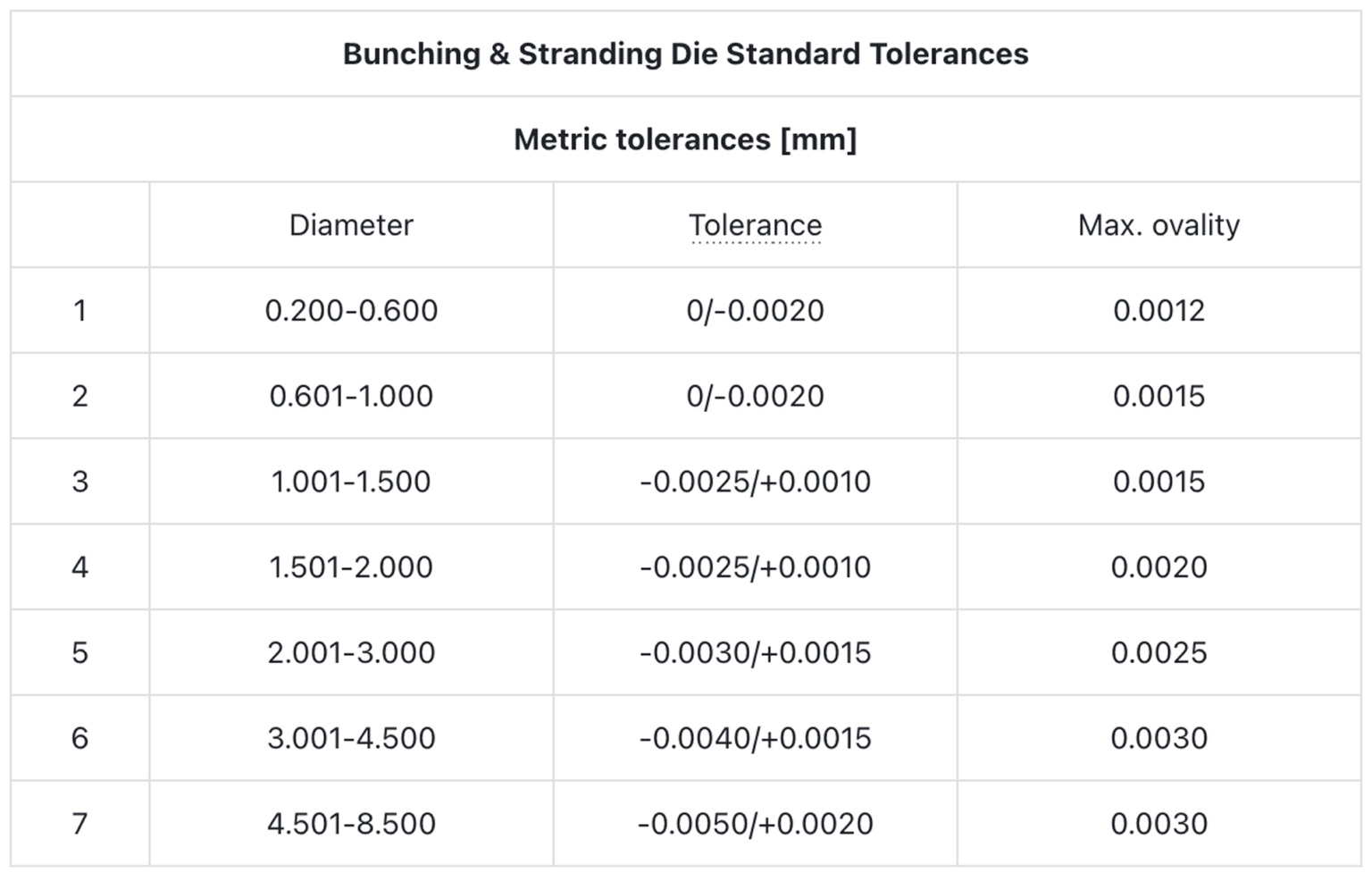
Innovations extend beyond PCD to the realm of the wire compacting die, which serves a critical function in wire forming processes. Such dies ensure tight tolerances are maintained, optimizing the performance of electrical components. This increased efficiency not only boosts productivity but also enhances product reliability, marking a significant advancement in manufacturing technology.
In summary, both the PCD compacting die and the wire compacting die exemplify cutting-edge advancements in die manufacturing. As a result, manufacturers can greatly reduce operational costs while enhancing product quality. For those seeking to invest in superior die solutions tailored to today’s demanding manufacturing environment, the reputable brand Juxin stands out with its supply advantages and commitment to innovation in the die industry.