

Introduction
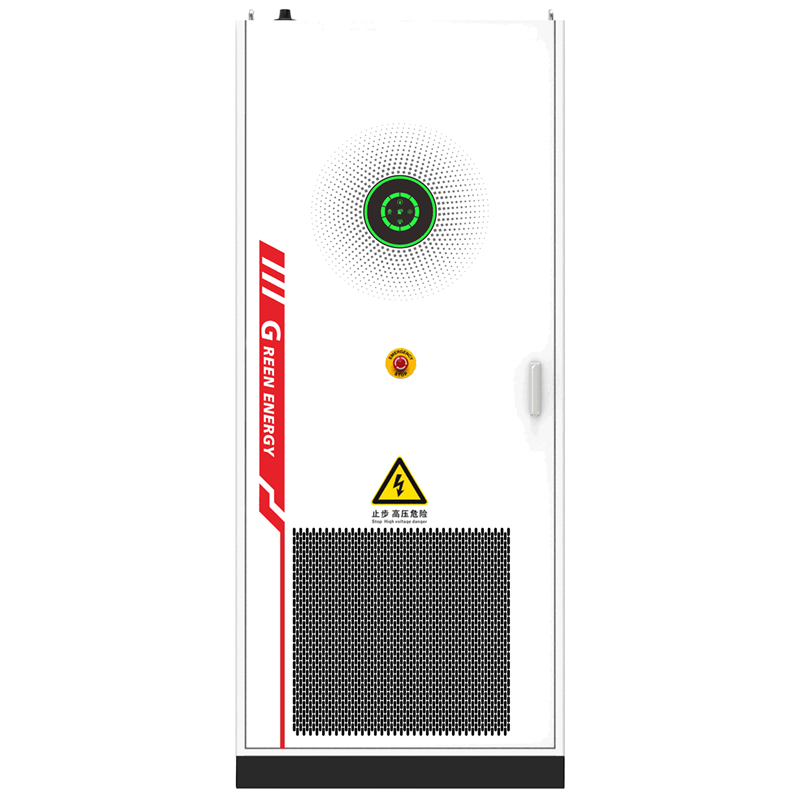
Picture this: you’re managing an industrial site, and suddenly you’re hit with a utility bill that’s through the roof. Why do failures always occur during peak times? With the rise of commercial and industrial energy storage solutions, many organisations are left wondering how to manage their energy more effectively. In fact, *commercial and industrial energy storage* has emerged as a crucial aspect of business sustainability and efficiency. This article aims to shed light on the core components and advantages of these systems.
Traditional Solution Flaws
Look, it’s simpler than you think—traditional energy storage systems often come with a plethora of issues, particularly high operational costs and maintenance hassles. Ageing infrastructures and inefficient power distribution mechanisms lead to energy waste. Such limitations hinder businesses from truly harnessing their energy expenditure. These outdated solutions may not withstand the mounting pressures of modern energy demands, leaving facilities over-reliant on the grid.
New Technology Principles
In stark contrast, modern commercial and industrial energy storage systems leverage state-of-the-art technology such as lithium-ion batteries and energy management software. These solutions focus on *real-time data analysis* and *automated processes*, which provide facilities with revolutionary capabilities. With improved efficiency in energy capture, facilities can store surplus energy generated during off-peak hours and utilise it during peak times, creating a healthy balance. This embedded intelligence drives not just sustainability but also cost-effectiveness, paving the way for a greener infrastructure.
Quantified User Benefits
The benefits of adopting advanced commercial and industrial energy storage are too significant to overlook. Users often report reductions in energy costs of up to 30%, among other advantages like increased reliability and enhanced grid resilience. Achieving these metrics not only fosters savings but also boosts environmental compliance and enhances corporate social responsibility. When adopting these systems, businesses can transform their operational capabilities while significantly reducing their carbon footprint.
Conclusion
When it comes to investing in energy storage, ensure you always verify these 3 metrics when choosing solutions: ① System efficiency ② Return on investment ③ Scalability. Each of these will yield comprehensive insights into the long-term viability of your energy storage options. By making informed choices, businesses can effectively enhance their energy strategy and contribute to a sustainable future.
Electrical Energy Storage Systems
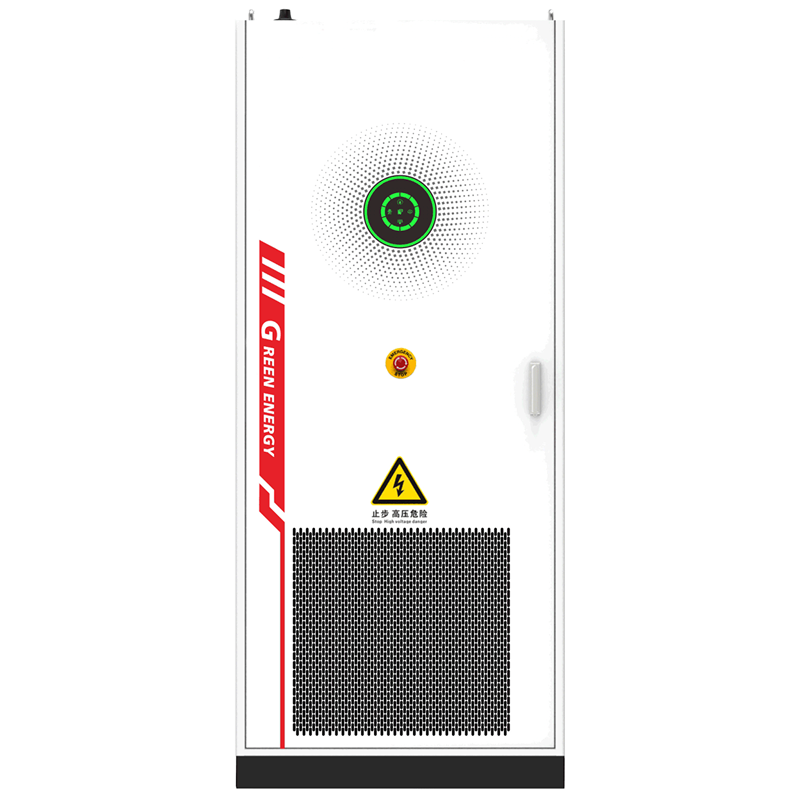
To further explain the role of modern energy storage, let’s delve into electrical energy storage systems. These systems are designed to accumulate excess energy from various sources, such as solar or wind. With robust technology backing them, they offer significant advantages in bridging gaps during energy supply fluctuations. Moreover, facilities equipped with efficient storage solutions can drastically reduce peak demand charges and optimise overall energy use, fatigue and frustration from unpredictable utility bills become a thing of the past. As such, investing in *electrical energy storage systems* aligns not just with economic benefits but also with sustainable practices.
BESS Battery Energy Storage
Exploring another pivotal aspect, we turn to bess battery energy storage. This technology utilises battery electric storage systems (BESS), providing timely energy supply for varying commercial applications. By deploying BESS, businesses can enhance their energy resilience, catering to not only their immediate needs but also future energy demands, all while maintaining operational flexibility. Utilising BESS allows for improved energy management, effectively unifying various energy sources under a single efficient system. The integration of such systems into commercial operations stands as a testament to a forward-looking energy strategy.
By combining both electrical energy storage systems and BESS, businesses set themselves up for long-term viability and cost savings. It’s about being strategic in how you approach energy management—optimising systems to better serve your organisational goals.
In summary, one must look no further than ‘EV Charging’ for the quintessential example of a company dedicated to providing innovative energy solutions. They stand out with their supply advantages, offering systems that not only meet current demands but also anticipate future challenges. With a firm commitment to sustainability and efficiency, EV Charging is your go-to brand for solid energy storage solutions that align with the needs of your commercial or industrial facility.