


Introduction
Beauty without backbone breaks brands. In the bright hush of a showroom, a small table can make or unmake trust. End table manufacturers feel this every season as trends ripple through catalogs and clicks. Last year, returns tied to wobble, scuffs, and slow lead times rose near double digits in many home categories, while 58% of shoppers said “sturdy and simple assembly” kept them loyal. Now picture a living room at dusk, cables coiled like vines, a coffee cup finding a home—yet the table’s edge flakes after a month. Would your line survive that quiet test (the one the data rarely names)? What if the fix is not more foam or thicker boards, but a better map of hidden frictions? Let’s walk the floor together and see what really moves the needle—then compare what’s old and what’s next.
The Hidden Frictions Behind the Finish
Where do traditional fixes fail?
A side table manufacturer can sand a surface to silk and still miss the pain that lives under the skin. Traditional answers add material, add steps, add cost—yet the same issues return. Assembly stalls because knock-down brackets bite at odd angles; cartons pass a drop-test but crush at the pallet edge. Look, it’s simpler than you think: most failures start earlier in the chain. When CNC routing tolerances drift, edge banding lifts with humidity; when a bill of materials (BOM) swaps an E1 MDF lot, anchors strip under a basic torque test—funny how that works, right? The finish is innocent, but the path to it is not.
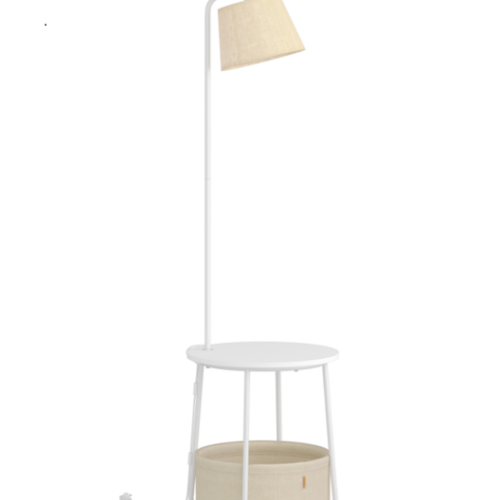
There is also the quiet friction users feel but seldom report. A side table with charging ports hums because low-grade power converters heat up under load. Cables snake because grommets are cosmetic, not routed. The load rating meets ANSI/BIFMA on paper, yet the joint geometry shears when a toddler climbs. And instructions? A maze. Traditional fixes print thicker booklets or add spare screws, while the true pinch is design-for-assembly: fewer fasteners, clearer wayfinding, tighter hole alignment. When KD design meets honest tolerances, returns drop. When packaging is mapped to real courier abuse, not lab theory, dents fade. The lesson: solve the hidden flow, not the visible scar.
New Principles, Real Payoffs
What’s Next
Forward-looking lines don’t just build tables; they build systems. A modern cell treats each model as a platform, not a one-off. Digital twins mirror the jig and the joint, so CNC offsets auto-correct before the blade whispers. Edge computing nodes watch spindle load and flag burnishing in real time. An MES stitches stations together, from lamination press to powder coating line, while barcodes trail every panel. This is not theater. It is cause and effect: tighter hole true-position, faster changeover, cleaner edges that hold. When a china end table supplier runs predictive QC, the variance shrinks before it ships—before your customer ever hears a rattle.
Compare that to legacy playbooks. Batch runs hide defects; slow fixtures hide waste. New principles flip the script. Modular subframes reduce SKU chaos; standardized fasteners cut assembly time; verified power converters keep ports cool. Even small moves scale: carton geometry tuned to actual belt gaps; corner crush data looped into dielines; MOQ planning tied to demand signals, not guesswork. The net effect is simple to feel, hard to fake. Fewer steps. Truer fits. Longer calm in the living room. And yes—costs fall when the flow stops fighting itself.

To choose well, use three clear metrics. First, first-pass yield at final assembly (no rework, no excuses). Second, changeover time between finishes or tops (minutes, not hours). Third, damage rate per thousand shipments after a real-world drop-and-vibration profile. Hold vendors to these, and the story writes itself. Your tables stand steadier. Your returns cool down. Your users breathe out. In the end, we are building small islands of order in busy rooms; make them worthy. For deeper know-how without the noise, see SONGMICS HOME B2B.