

Introduction
Have you ever stood on a car assembly line and wondered why clean air still feels like a luxury? In automotive manufacturing welding fume extraction, we chase clear air and steady production at the same time — it’s a daily tug-of-war. I’ve seen plants where simple choices about ductwork or HEPA filters changed worker comfort and uptime more than expected (we call that a small win that keeps the line humming). Data shows welding fumes raise particulate counts dramatically during peak welding cycles; so how do we balance health, output, and cost without breaking the floor rhythm? Let’s step in and unpack the trade-offs, and see what practical moves actually make a difference on the shop floor.
Deeper Layer — Traditional Solution Flaws and Hidden Pain
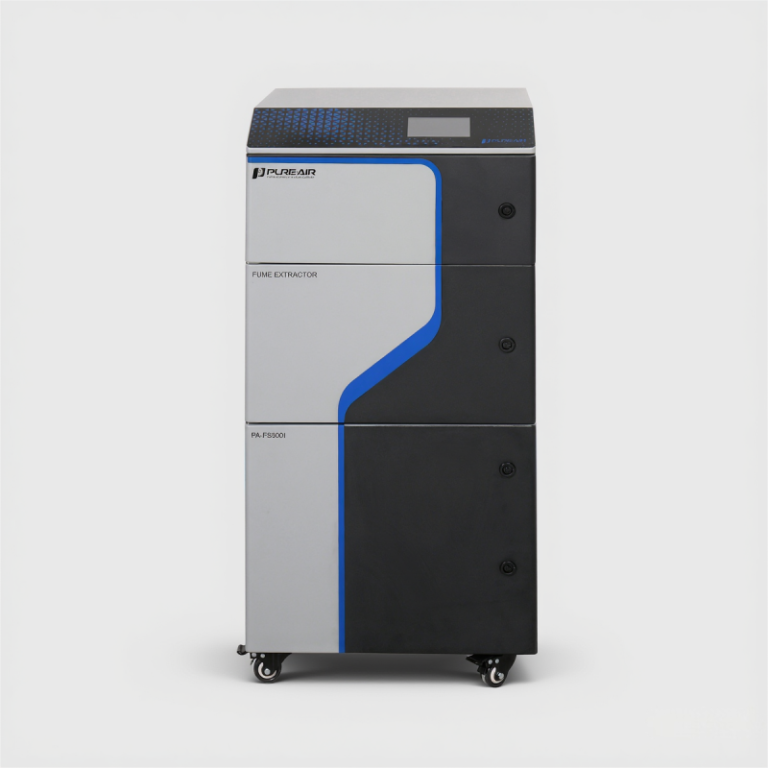
I want to get straight to the point: many plants lean on standard dust collectors for automotive plant systems and expect them to solve everything. That expectation fails fast. Old baghouse units—while reliable—often choke on heavy welding particulates if the filter media isn’t specified correctly. Cyclone separators and simple extraction hoods can let fine respirable particles slip through. We end up with higher maintenance, dropped suction, and irritated welders. The real failure isn’t the machine alone; it’s the mismatch between system design and real line conditions: variable welding schedules, tight cycle times, and reactive maintenance cultures.
Why does this mismatch happen?
First, designers often underestimate dynamic loads. Welding fumes vary by weld type, material, and amperage. Second, maintenance plans are generic, not predictive—so PLC alarms become daily noise. Third, energy systems (power converters) for extraction fans are chosen on price, not control finesse. Look, it’s simpler than you think: if you size fans and filters for peaks and add local extraction at the source, you cut both exposures and downtime. I’ve seen plants reduce filter change frequency and worker complaints simply by matching capture hood geometry to the welding torch behavior and by upgrading to variable-speed drives. The result? Better air quality and more predictable maintenance cycles.
Forward-Looking: New Technology Principles and Comparative Outlook
Now we move forward. I want to explain key principles behind modern systems that actually work on today’s lines. First principle: local capture plus central filtration. Combining well-designed extraction hoods with centrally located, high-efficiency collectors reduces duct losses and concentrates filtration where it’s needed. Second: smart control and condition-based maintenance — not just timers. Edge computing nodes and simple PLC logic let us track pressure drops across filter banks and predict baghouse servicing. Finally, filter media matters: HEPA layers for the last stage and pleated pre-filters for the first stage keep fine particulates down without killing airflow.
Real-world Impact
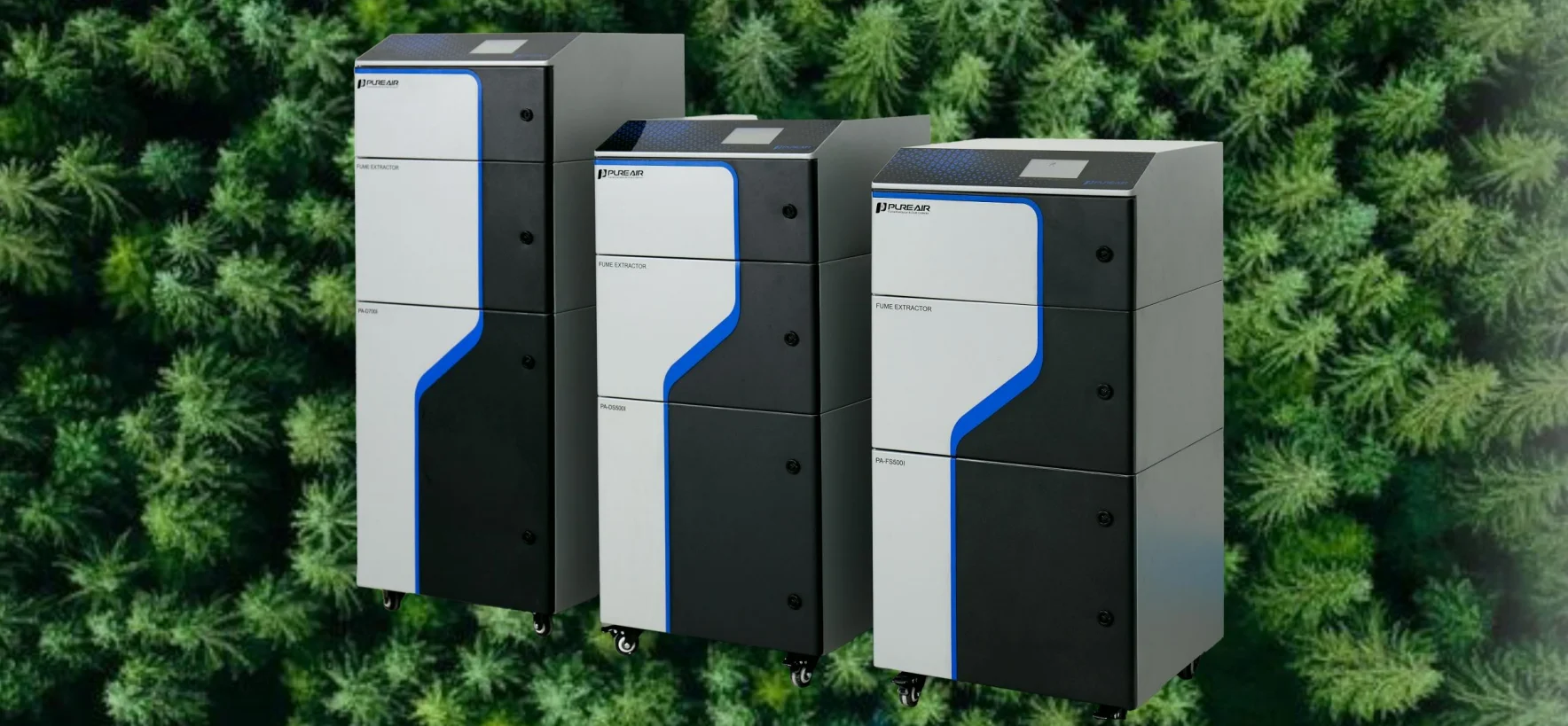
We tested a hybrid setup in one plant: source capture arms, a medium-efficiency primary stage, then a HEPA-stage central unit. The plant used dust collectors for automotive plant adapted to staged filtration and added VFDs on fans. The result: lower airborne particulate counts, longer filter life, and reduced fan energy during low-demand periods — pretty clear wins. — funny how that works, right? I’ll note that investing a bit more up front for controls paid back in less than a year in one case, and it gave welders noticeably better breathing conditions. We also learned that integrating simple sensors into the ductwork yields big operational insights without heavy software projects.
Closing: How to Evaluate and Choose
I’ll leave you with three practical evaluation metrics I use when advising shops. First, capture efficiency at the torch — test and verify the hood geometry and airflow at the source. Second, total cost of ownership — include filter replacement cadence, energy use (VFDs and power converters), and downtime risk. Third, maintainability and data — can the unit give you pressure-drop trends and simple alerts so you move from reactive to planned service? If a vendor or system meets these, you’re moving in the right direction. We want cleaner air, steady production, and simpler upkeep. In my experience those goals line up more often than you’d think when you pick the right mix of local capture, staged filtration, and smarter controls.
I hope this helps you see the bigger picture. I’ve been in noisy bays and dusty corners — and I prefer systems that make daily life easier for operators and managers alike. For real solutions and practical kits, check out PURE-AIR.