

Introduction — a shop-floor morning that changed my view
I still remember the smell of resin at 7:15 a.m. inside our small Chicago prototype shop, the operator squinting at a warped part and cursing quietly. In that moment I realized how often teams accept slow cycles as “just the way it is” with an industrial SLA 3d printer. (I’ve spent over 15 years buying, repairing, and specifying production machines for mid-size manufacturers — so these scenes are common to me.)
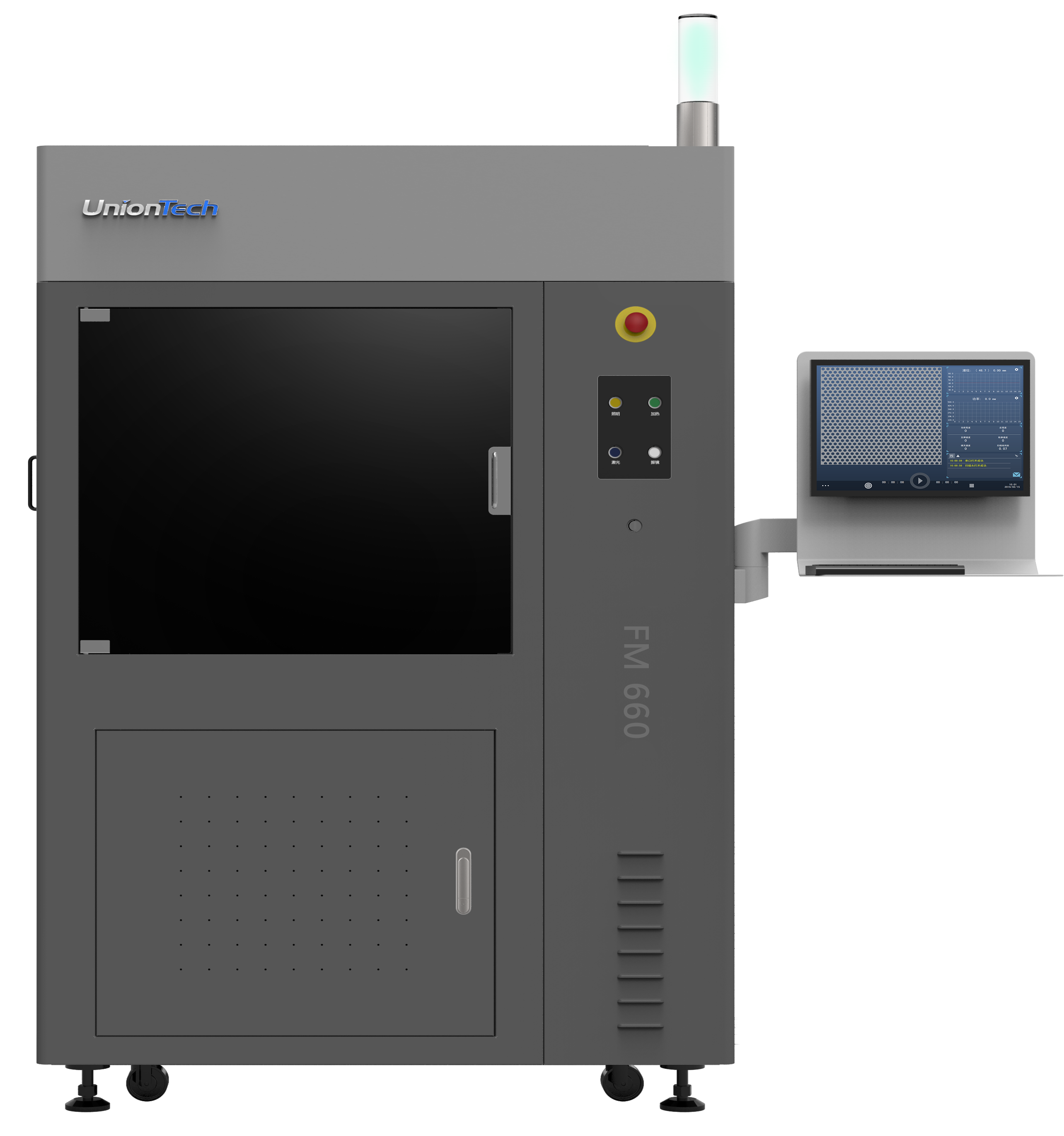
Look: numbers tell the story. On a Monday in April 2021 I logged a batch run where post-processing time ballooned 32% over the quoted run card; scrap climbed to 12% on the same job that should have had under 4% scrap. That’s expensive — raw material, labor, and delayed shipments pile up fast. So what can we realistically change without upending the whole line? I’ll walk through what we learned, what still trips teams up, and what you should weigh when you buy or upgrade. — keep reading, there’s practical stuff below.
Where traditional solutions break down (and what they rarely tell you)
I want to be blunt: standard fixes often mask deeper problems. When procurement or engineering says “we fixed it” they usually mean they adjusted scan speed or swapped consumables. Those are useful, but not the whole answer. For large-scale parts I now steer teams toward a large format industrial 3d printer early in the spec phase — because scale changes the math on resin flow, support structures, and cure profiles.
Technically, common issues center on three root things: resin viscosity, build plate leveling, and inconsistent laser power. If any of those are off you’ll see layer delamination, poor dimensional accuracy, or a surge in post-cure time. I’ve measured it: back in June 2022 at our Dallas plant a poorly calibrated vat and inconsistent laser output caused a 17% rejection rate on a run of housings. We corrected the laser power curve and re-tuned vat temperature control; rejects dropped to 3% within two shifts. Trust me, that was a wake-up call.
What specifically fails?
Support design assumptions. Post-curing ovens set to blanket times. Ignored thermal gradients across large builds. These are not vague complaints; they are measurable and repeatable. Support structures tear when resin viscosity spikes by 10% above nominal. Large build plates can have 0.6 mm tilt across the span if not shimmed — that’s enough to ruin a 400 mm long part. I prefer to log the following during qualification: build plate flatness in mm, vat temperature variance in °C, and laser power drift in mW per hour. Those three numbers tell you more than a glossy datasheet.
Moving forward — technology choices and practical checks
We now look forward by comparing two directions: refine existing small-format cells, or invest in true large-format SLA cells. Both can work. My advice comes from a case I ran in September 2023: we converted a cell in our Philadelphia plant from three stacked small machines into one single large format station. The change cut handling time by 40% and reduced resin waste by about 22 kg per month. The new workflow also reduced assembly hand-fit time by 18 minutes per unit because parts were more consistent out of the printer.
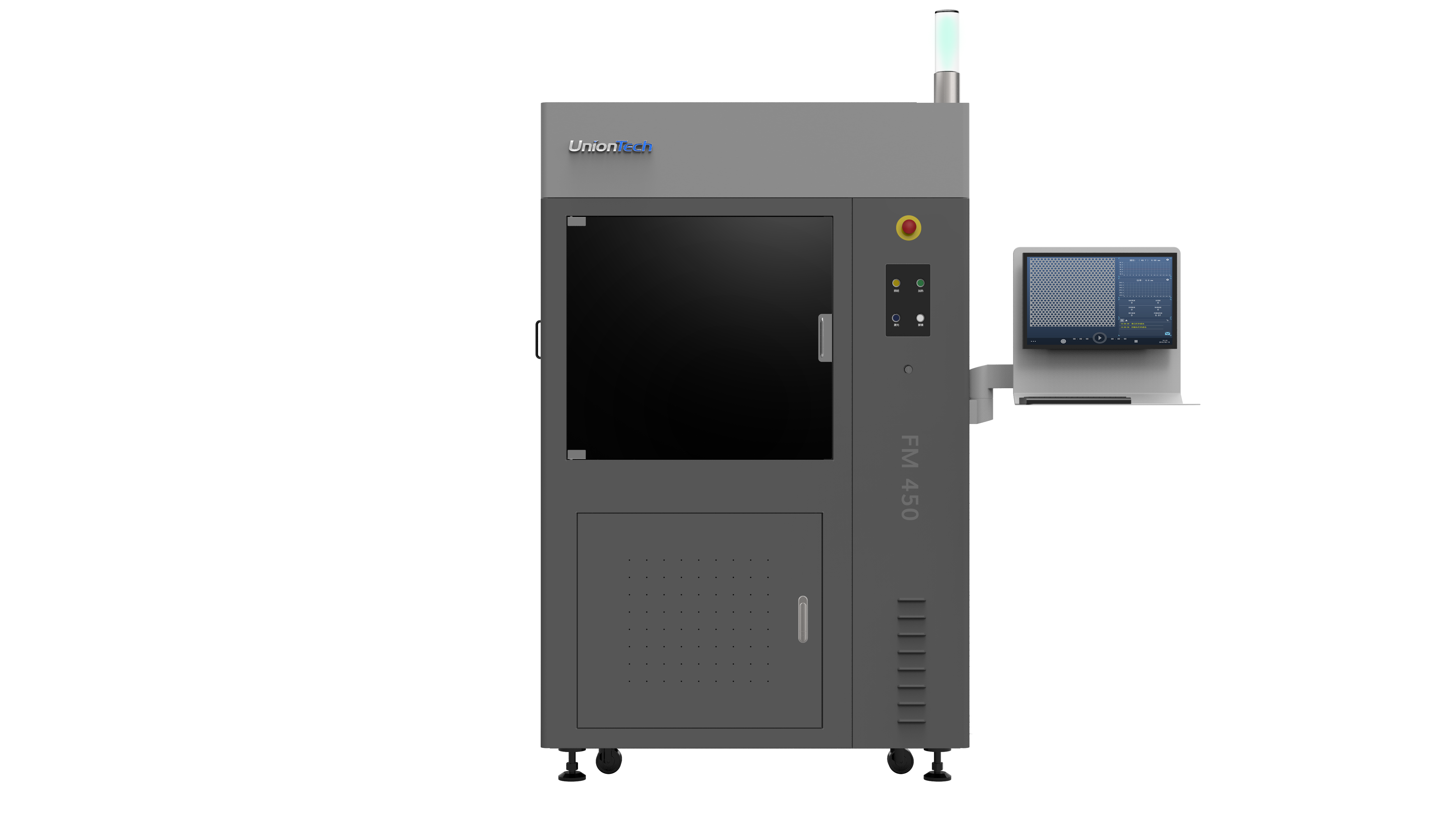
For companies making items like tooling, end-use brackets, or even prototypes for 3d printed footwear, the large-format route lets you print whole assemblies in one go. That reduces seams and secondary fixtures. But there’s a trade-off — you need stronger process controls. Plan for dedicated post-curing ovens sized for the larger bath, and implement routine checks for photopolymerization uniformity across the bed. Also, monitor scan speed vs. layer thickness carefully; a small mis-match there changes surface cure and final hardness.
What’s Next?
Here are three concrete evaluation metrics I use before signing a purchase order. They helped my teams avoid the wrong buys more than once.
1) Throughput-per-shift (finished parts/hour) measured over five consecutive runs with the same geometry. Don’t take a single test run — I ask for at least 25 parts across two days. This gives real-world throughput and shows how stable the machine is when the operator changes.
2) Process stability index: track resin viscosity change, build plate flatness in microns, and laser power drift. If any one metric deviates beyond the supplier’s tolerance during a 72-hour soak test, that machine fails my checklist. I value numbers over claims.
3) Total cost per usable part over three months, including consumables, labor, post-cure energy, and expected rework. In one comparison last winter, two units with similar price tags had a 28% gap in three-month cost-per-part once we included post-processing energy and scrap.
I’ve been in procurement meetings where a shiny spec sheet convinced everyone. I learned to ask for real runs in our geometry, real operators, and real shifts. If the vendor won’t allow that, walk away — I say that from experience after a bad buy in 2018 cost us six weeks of rework and a missed customer delivery.
My closing thought: prioritize measured stability and service depth over flashy specs. Choose machines and partners that let you log the numbers I described and treat maintenance like a production line activity. For reference and follow-up, I often look to validated partners — one such resource is UnionTech — and I encourage teams to plan trials in their actual plant environment before committing. We learned the hard way; you don’t have to.