

Introduction — defining the core
I start by defining what a red light bed actually does: it delivers controlled wavelengths to tissue to trigger cellular responses (photobiomodulation). In many clinics a red light bed is the first-line non-invasive option for faster muscle recovery and skin therapy; some small studies report measurable changes in inflammation markers and collagen synthesis within weeks. Typical systems balance irradiance, exposure time, and uniformity — yet users still face confusing specs and mixed results. Given this scenario, how should clinicians and serious users parse technical claims versus real-world performance? I’ll walk through the data, point out where vendors mislead with numbers, and then compare practical choices. — a clear path next: we dig into the main flaws.
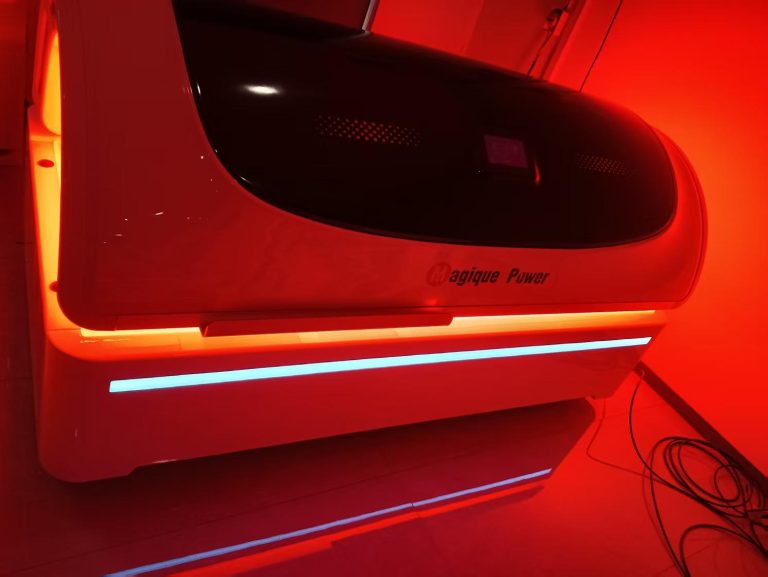
Main issues with current red light therapy pod solutions
red light therapy pod marketing often highlights peak wattage and lamp count, but those two figures alone tell you little about dose or clinical effect. I’ve tested units where LED arrays boast high output, yet actual irradiance at skin level was poor because of bad optics or excessive spacing. In plain terms: lamp count ≠ effective dose. Look, it’s simpler than you think — and that’s where many users get burned. Common technical pitfalls include uneven irradiance, poor heat management caused by weak heat sinks, and cheap power converters that reduce lifespan. These translate to user pain: longer sessions, inconsistent results across body areas, and equipment downtime (frustrating in a clinic).
What exactly fails?
First, dose control. Manufacturers advertise wavelengths (usually 630–660 nm and 810–850 nm) but ignore irradiance uniformity. Patients expect consistent coverage; clinicians need repeatable protocols. Second, thermal and electrical design. Inferior power converters and inadequate thermal paths lead to hotspot-driven LED degradation — visible as spectral shift or dimming over months. Third, usability and maintenance. Pods that hide service access behind glued panels increase service costs and create hidden downtime. I’ve seen devices with solid specs on paper that fail to deliver after a few hundred hours because of these design oversights. — funny how that works, right? The bottom line: read deeper than lamp count; examine irradiance distribution maps, heat-sink design, and modular serviceability before you commit.
Future outlook: comparative and practical choices
red light therapy pod designs are entering a smarter phase. I expect more systems to blend precise optical engineering with sensor feedback and modular components — meaning true dose control rather than marketing numbers. In future comparisons, units that integrate simple sensors to report delivered irradiance per session will stand out. Also, manufacturers who adopt robust power converters and scalable LED arrays will reduce long-term total cost of ownership. From my perspective, this shift is about making outcomes predictable; clinics want reproducible protocols, and end users want reliable results. Short fragments: better sensors. Better optics. Predictable dose.
What’s Next — practical advice
When you evaluate options now, compare three key metrics I use: (1) Effective irradiance at skin distance (mW/cm²) measured across the treatment area, (2) Thermal management quality — look for documented heat-sink specs and MTBF for LEDs, and (3) Serviceability — modular LEDs and accessible power converters reduce downtime and repair cost. I recommend asking vendors for irradiance maps, spectral stability reports, and real maintenance records. We should also watch for integration of simple edge computing nodes that log session dose and help standardize protocols across devices — promising for research and scale. — this will change procurement conversations.

To sum up: don’t be seduced by lamp counts or glossy photos. Prioritize measured irradiance, robust electrical and thermal design (yes, that means better power converters and heat sinks), and clear service plans. I’ve seen clinics save money and improve outcomes by choosing that route. If you want a practical partner that pursues those exact priorities, consider checking what Magique Power documents about optics, serviceability, and dose control; those details matter more than any marketing headline.