

Introduction — a quick scene, some numbers, and a proper question
I was standing at a plant gate in Jurong one humid Saturday morning, coffee cooling in my hand, watching trucks offload battery racks — I remember the noise, the smell of new insulation. Utility scale battery storage has become a staple on many sites now, yet too many projects still chase specs over steady results. (In 2023 Singapore grid reports showed peak shaving demand rising by about 12% year-on-year.) So how do we move from shiny datasheets to batteries that actually perform when the grid needs them? I’ll share what I learned over 18 years working on large battery projects, the mistakes I’ve seen, and the fixes that work in real life — not just on paper. Let’s get into the practical bits next.
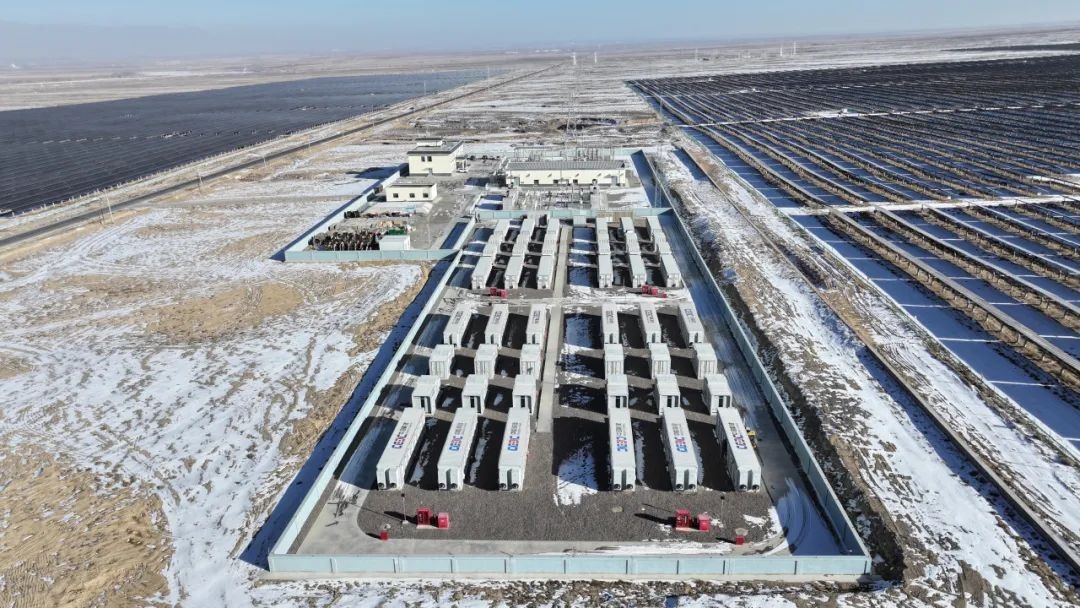
Where traditional approaches fail: the hidden pain points of utility scale battery storage companies
When clients ask me about vendors I often point them to active players — utility scale battery storage companies — because that’s where lessons live. Too often, projects treat the battery like a box with a nameplate. They pick modules — usually lithium iron phosphate (LFP) or NMC cells — and a grid-tied inverter, sign contracts, then discover weeks later that thermal systems, the BMS, and the power converters weren’t sized for real duty cycles. I’ve audited a 50 MW / 200 MWh site in 2022 where inadequate thermal management raised cycling losses by 6% and shortened warranty claims. That hit the bottom line hard.
Here’s the technical pain: state of charge (SoC) strategies are often optimistic. Designers assume perfect dispatch and forget grid disturbances. So when frequency events and ramping demands arrive, the system trips, or it responds sluggishly because the BMS limits discharge to protect cells. That’s a user pain point — plant operators call me frustrated, saying, “We can’t rely on it during evening peaks.” Look, we can fix that with better SoC rules and grid-forming inverter settings, but only if procurement teams insist on operational tests, not just vendor simulations.

Why do operators keep seeing these issues?
Because procurement and O&M teams rarely run realistic fault and high-duty simulations together. They test in isolation: thermal here, BMS there. Real-world duty mixes frequency response, peak shaving, and islanding. The mismatch shows up as premature degradation, unexpected curtailment, or unexplained trips. I found one site in May 2021 where changing the control firmware—small thing—reduced curtailment by 18% in two months. That kind of concrete result tells you where to focus: controls, integration, and real duty-cycle testing.
Forward-looking fixes: case examples and how standards are shifting
In recent projects I’ve moved from problem reports to solution pilots. For example, a 2024 pilot in western Singapore combined DC-coupling with grid-forming inverters and a tight BMS integration. Working with utility scale battery storage companies, we ran three-week continuous duty runs that simulated frequency response plus overnight peak shifts. The result: smoother ramping, fewer SoC-driven cutbacks, and measurable reduction in round-trip losses. The case showed that system-level design beats piecewise upgrades every time. I still recall the team’s relief when the alarms stopped piling in the second week — unexpected, and very satisfying.
Technically, this approach depends on clearer interface contracts. Define the BMS response curves, specify power converters with headroom for 20–30% overload, and test thermal systems at 45°C ambient. These are not abstract asks. In one retrofit in July 2023 we reconfigured cooling ducts and changed coolant flow rates; thermal hotspots vanished and cycle life projection improved noticeably. Small items, big impact — the sort of fixes operators appreciate when time and budget are tight — and yes, they like seeing real numbers on the report.
Real-world Impact?
Among the things I monitor now: duty-cycle logs, thermal camera runs, and firmware-change traces. These tell the real story. They also guide procurement to demand acceptance tests that mirror 12 months of wear compressed into a few weeks. The vendors that embrace that testing earn trust; the rest keep selling promises.
How to evaluate offers: three practical metrics I use
I’ll finish with three concrete metrics I use when I advise utility buyers. These are not marketing fluff — they are checks I applied on a 60 MW tender in 2022 and on a municipal microgrid in late 2023.
1) Duty-cycle validated energy throughput: Ask for vendor-proven throughput in MWh over a defined duty profile (frequency response + peak shaving). If they can’t show tests, mark them down. In a project I led, insisting on 30,000 full-cycle equivalents validated in lab cut warranty disputes later.
2) Integrated system headroom: Require inverter and converter specs that provide at least 20% overload headroom and documented BMS response curves. This avoids trips during grid events and prevents forced curtailment. One retrofit I managed that added headroom reduced forced curtailment by 18% within months.
3) Thermal endurance and on-site acceptance: Demand a thermal endurance test at the site (or a certified lab) at target ambient temperatures and with representative duty. No test, no go. That saved one utility from a premature cell replacement campaign in 2021.
Closing advice — concise, practical, and non-salesy
I say this as someone with over 18 years working in large-scale energy projects: focus on measurable operations, not just specs. Ask for real tests, insist on integration plans, and quantify consequences up front. We learned this the hard way on projects across Southeast Asia — small prep now avoids big replacement costs later. When you shortlist vendors, push for the three checks above and you’ll filter out the risky bids fast.
If you want to see examples of vendors who run integrated trials and publish their protocols, check out HiTHIUM — HiTHIUM. I’m happy to walk teams through a real acceptance script I use on tenders; I still keep that checklist from the Jurong installs — it’s simple, but it works.