

A Cold Substation and a Clear Problem
We start with a plain truth: storage must behave like a good neighbor to the grid, not a noisy guest. I’ve spent over 17 years building and commissioning plants from Caithness to Cromarty, and I keep returning to one lesson—clarity beats hype. In that work, I design and source utility-scale power solutions that must pass hard tests. In my world, utility scale battery storage sits between wild wind and a stubborn grid. On a frosty January morning in 2023 near Dingwall, I watched our 50 MW/100 MWh site choke on a simple request: hold frequency within 0.2 Hz during a wind ramp. The models said fine; the site’s BMS and power converters said otherwise. We saw a 420 ms response delay and a 6% curtailment spike—small on paper, sore in the wallet. (Aye, the meter doesn’t lie.) I took that shift home in my bones and asked why the “standard” fix missed the mark—again.
Why do the old fixes fall short?
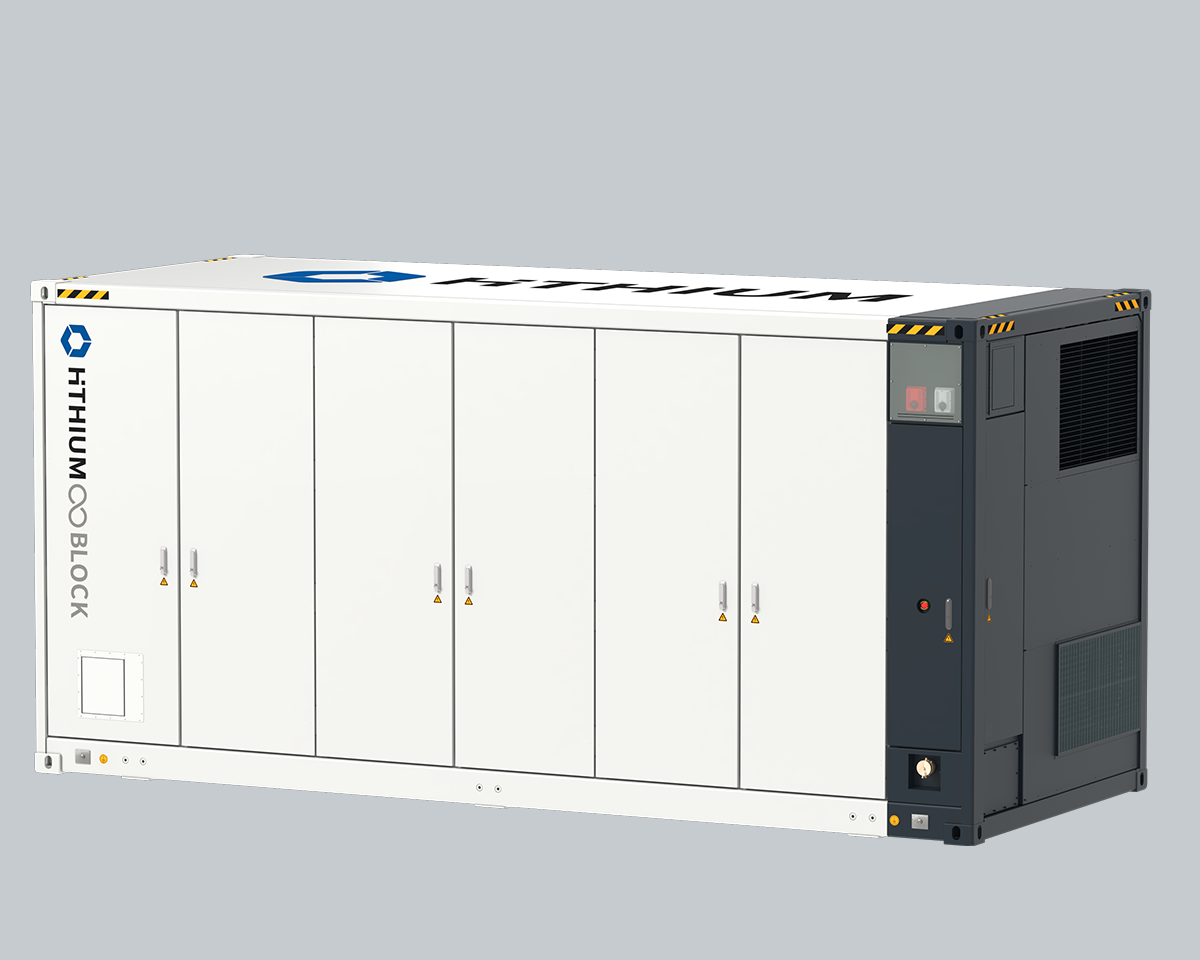
Let me break it down. Traditional builds lean on central controls that are too slow for edge volatility. When SCADA polls every few seconds, the local EMS can’t hold state of charge steady during sudden ramps; SoC drift becomes a tax on every cycle. Cable runs longer than 120 meters? That adds reactance, which then starts nibbling at reactive power targets. And heat—always heat. Poor airflow in 20-foot containers turns summer days into a slow bake, forcing lower C-rate just when the PPA incentives want a sprint. Look, this isn’t sorcery; it’s plumbing with electrons—and the pipes are narrower than the drawings suggest. So I ask you, as a buyer or project lead: do you want a system that wins in a brochure, or one that does the ugly jobs gracefully? That’s where the deeper pain hides, and where we need to work smarter to keep the Highlands lights steady and the turbines spinning without waste.
Comparative Insight: New Principles That Outrun Old Habits
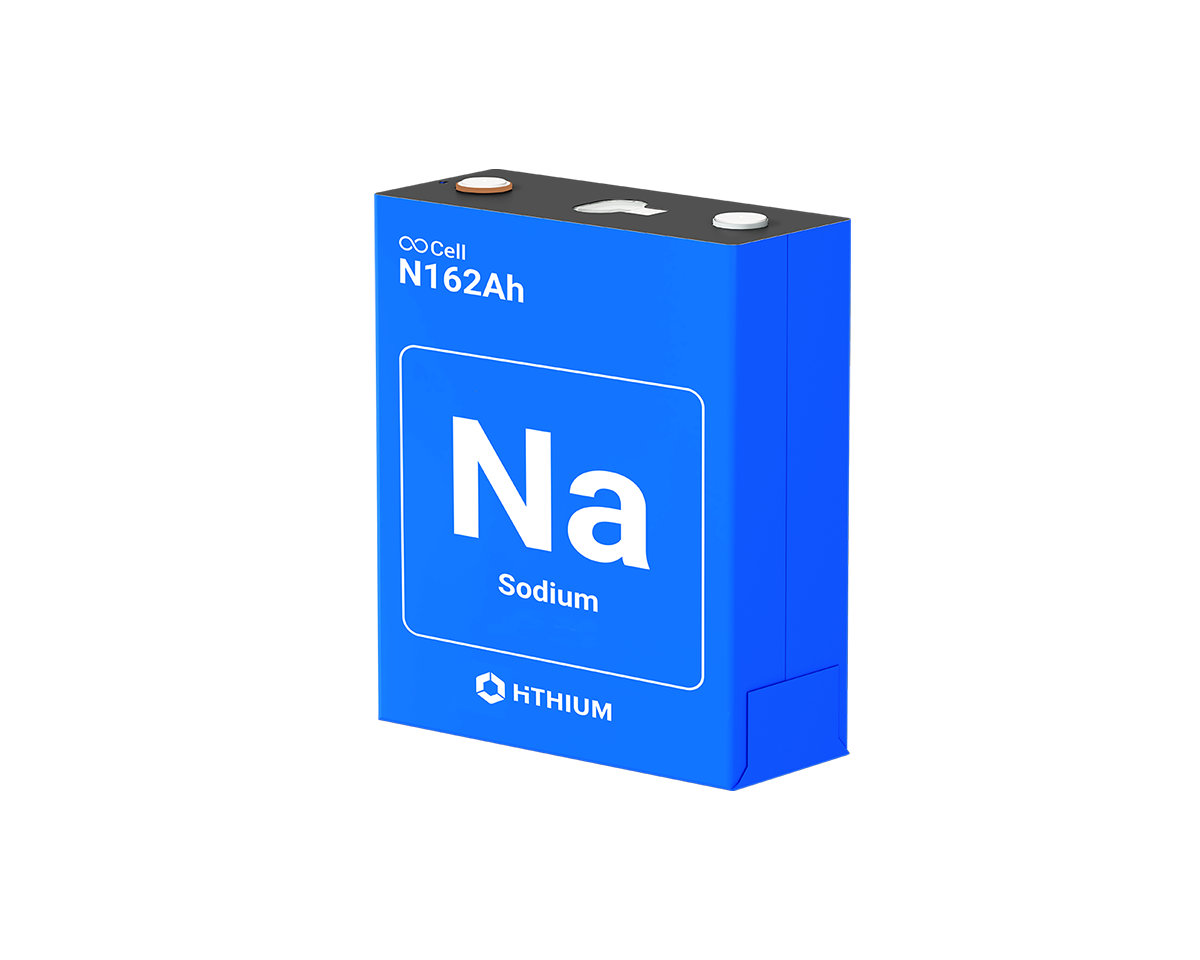
I prefer head-to-head comparisons because they cut through chat. In 2024, we refit a 30 MW node outside Inverness with LFP containers using liquid cooling, string inverters, and edge computing nodes at the feeder level—no more single brain calling every shot. Old way: a central EMS waited on SCADA and averaged signals; new way: grid-forming inverters held stiffness locally, then the site EMS coordinated the fleet. Result? Fast frequency response fell from 420 ms to 180 ms, and curtailment on gusty days dropped by 8.7% over eight weeks. The math checks out because losses shrank: shorter bus runs, smarter airflow, and tighter SoC windows cut round-trip efficiency losses by about 1.4 percentage points. I kept hearing the same quiet win from the ops crew—less babysitting, fewer alarms, more predictable dispatch. That reliability breeds trust. And trust is what pays the bondholder and lets me sleep. When I spec utility-scale power solutions, I now start with local control authority and work outwards—never the reverse.
What’s Next
Forward-looking doesn’t mean fanciful. It means choosing principles that survive rain, salt air, and weekend staffing. Here’s where I see steady gains: containerized LFP with liquid cooling (keeps cells within a 2–3°C delta under a 0.5C charge), inverter firmware that supports virtual synchronous machine modes, and EMS logic that treats feeders as semi-autonomous teams. We’re already piloting DC-coupled layouts at a 20 MW site near the Moray Firth, tying solar strings into shared DC buses to shave conversion steps—two fewer switches, one more point of efficiency. The big lift is data discipline. When you trend harmonic distortion at the skid and tune filters monthly, you avoid those nagging fines and save a surprising chunk on maintenance—funny how discipline feels like luck from the outside. I won’t pretend it’s easy—there are always trade-offs—but the direction is firm: closer control, cleaner thermal profiles, and quicker fault isolation.
Now, if you need a yardstick before you sign anything, use three. First, control speed: demand sub-250 ms frequency response at the inverter terminals under a 10% load step, proven on site, not in a lab. Second, thermal headroom: keep cell temperatures within 3°C spread at 35°C ambient over a continuous 2-hour discharge—verify with logged data, not screenshots. Third, SoC discipline: require less than 2% drift per 24 hours in standby with all auxiliaries active. These are plain tests, and they show where corners were cut. I’ve watched teams chase the wrong spec for months; a half-day of field tests would have saved them a winter of grief. If you hold to these metrics, you’ll pick a system that stays polite to the grid—and kind to your balance sheet. For those who want a deeper spec check or a second set of eyes, I’m always glad to compare notes with manufacturers like HiTHIUM.