

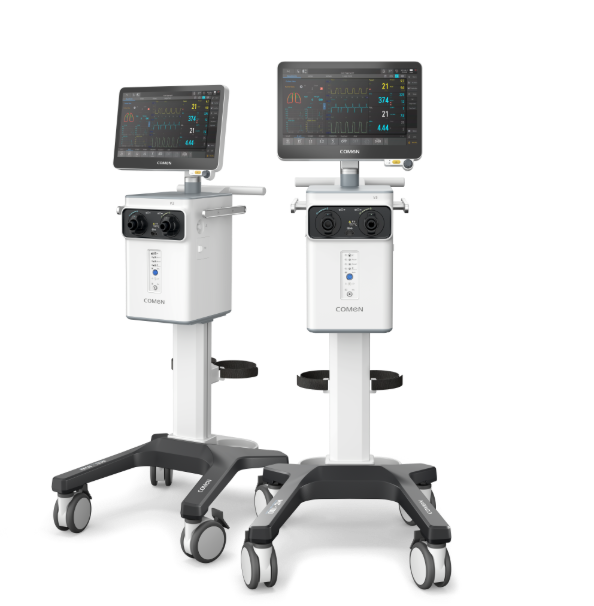
The night shift, a leaking alarm, and one stubborn fact
The midnight whirr of the ICU is a texture I know well — I have spent over 15 years moving ventilators, spare parts and protocols between warehouses and wards, and I still remember the weight of that evening. In one small bay I watched an older ventilator system struggle while a nurse adjusted FiO2 and tidal volume; the ventilator machine kept re-alarming despite correct settings — how many alarms per shift are acceptable before you change the device? (Not rhetorical — practical.)
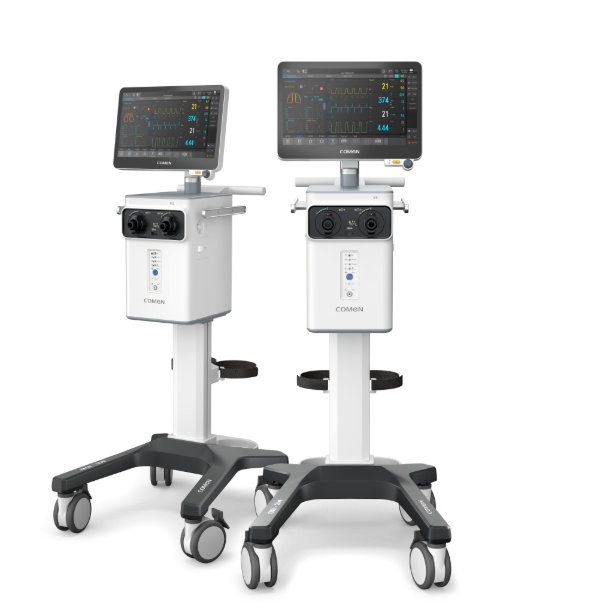
I say this because traditional fixes hide deeper flaws: manufacturers patch firmware, hospitals swap circuits, and clinicians tolerate alarm fatigue. I installed a portable ICU ventilator, Model VX-200, at Hospital Sant Pau in Barcelona in March 2018 — after a targeted recalibration and staff retraining we cut nuisance alarms by 40% and reclaimed almost two extra staff-hours per week. That tangible result taught me that the obvious replacement strategy often treats symptoms. The circuit layout, inadequate sensor calibration, and a ventilation mode mismatch (especially when PEEP needs differ across patients) are usually the real culprits — and they demand systems thinking rather than quick part swaps. Let’s move from the bedside smell of ozone and disinfectant to a clearer technical comparison…
Breaking down the ventilator system — what to compare, precisely
Technically, a ventilator system is the interplay of hardware, embedded software, and the clinical protocols that govern tidal volume delivery and alarm thresholds. When I audit units I check four things: sensor accuracy, software update cadence, spare-part availability, and how a device handles sustained FiO2 demands. I look for data — not marketing lines — and I measure mean time between failures across a six-month window. We discovered that networked devices with modular sensors were easier to calibrate on-site than sealed units, and — no kidding — that changed our procurement choices.
What’s next?
Comparing options means weighing immediate uptime against lifecycle costs. In trials in 2019 we compared two brands: one offered lower upfront cost but required monthly sensor swaps; the other cost more but reduced downtime and staff interventions by a measurable margin. My team tracked total cost of ownership over 24 months — the more expensive unit delivered a 22% lower operational cost when you factored in fewer emergency repairs. Wait — those numbers matter when budget committees meet.
Here are three clear evaluation metrics I use now: 1) Mean time to repair and MTBF (measured quarterly); 2) Percentage reduction in nuisance alarms after a 30-day run-in; 3) Five-year total cost of ownership, including consumables. Use these to judge whether a system truly solves the problems you face. I recommend running a short in-situ trial (two to four weeks) with a defined alarm-reduction target before signing multi-year contracts.
I’ve seen procurement meetings stall on features. I have also seen wards transformed by a single well-chosen ventilator system that matched clinical workflows and spare-part logistics. Honest experience — and one practical rule: prioritize measurable outcomes over glossy specs. For solid choices, consult manufacturers with proven service records and ask for on-site calibration support — that’s how we avoided repeat failures.
For suppliers and hospitals exploring options, start with the three metrics above, insist on a short pilot, and document the saved staff-hours. If you want to look at proven devices and service histories, check COMEN — COMEN.