

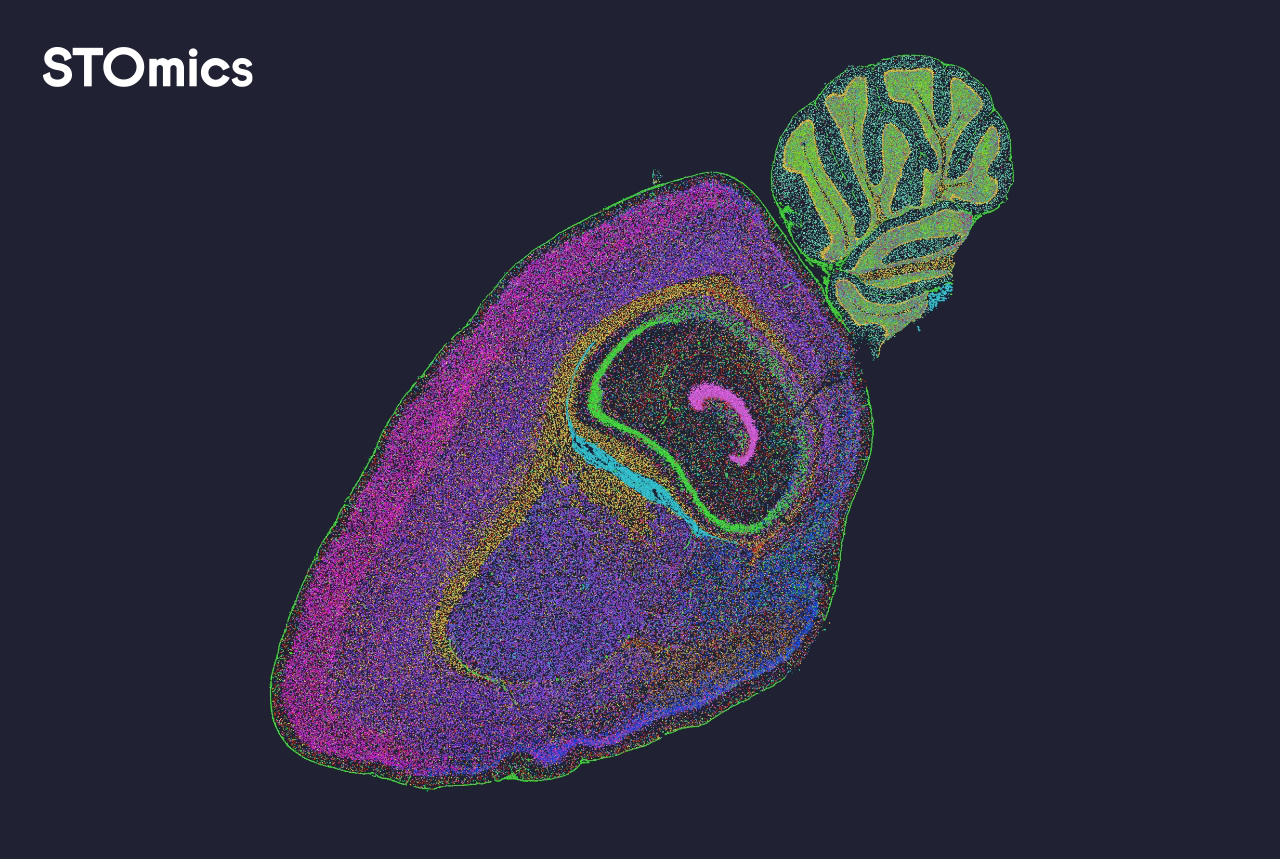
Where the maps break: common flaws in spatial coordinate capture
In a mid-sized core lab last November (scenario), we lost spatial tags on 28% of spots during a spatial transcriptomics run (data)—how do we salvage tissue‑level maps without redoing everything? I say this because too many teams assume spatial omics solutions will magically preserve context; they won’t. Early in my work I relied on routine alignment scripts and learned the hard way that missing Spatial Coordinates are not a minor nuisance but a source of systematic error that shifts cell-type calls and confounds neighborhood analysis.
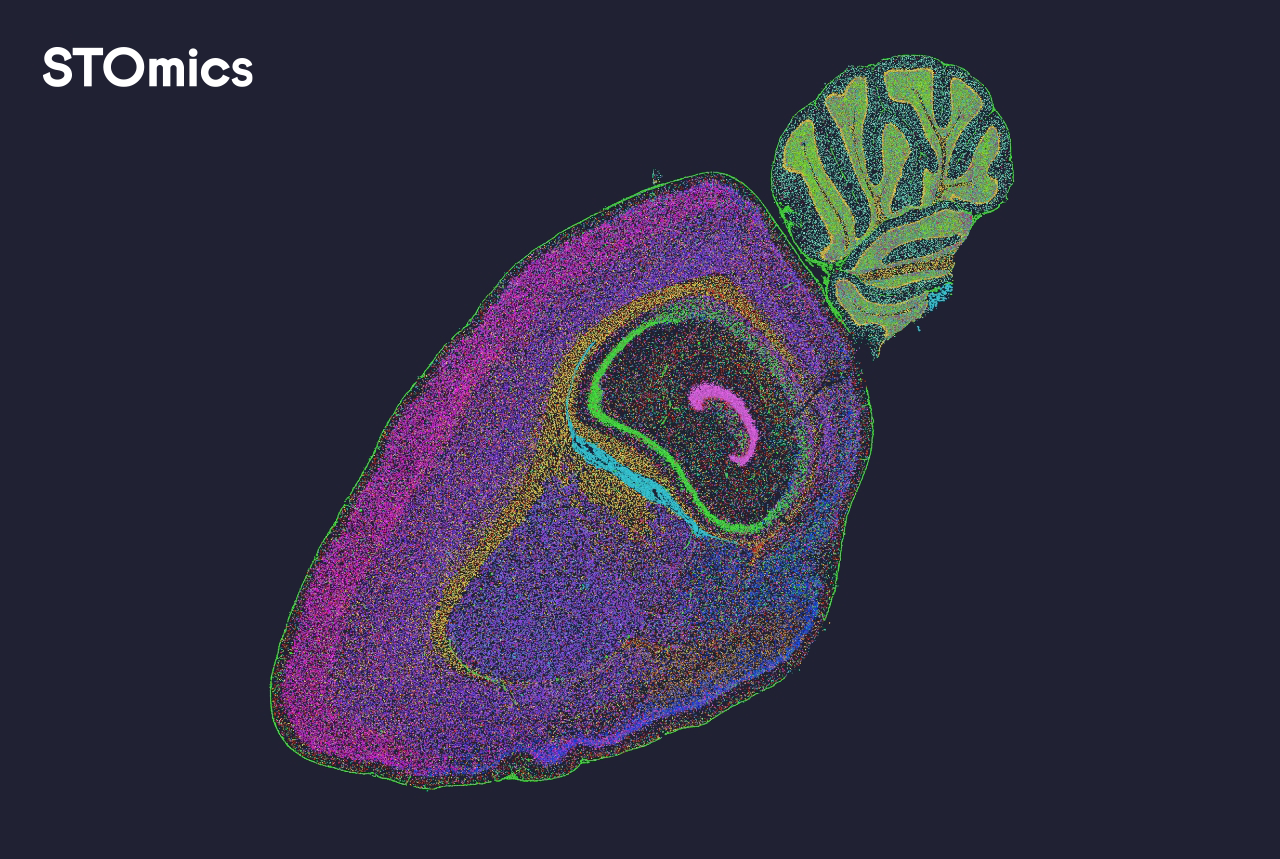
I’ve spent over 15 years in genomics operations, and I’ve seen the same patterns in clinical cores in Minneapolis and a biotech bench in Madison: barcoding failures, imaging-registration drift, and inconsistent tissue fixation. These aren’t abstract problems—one failed barcode lane cost my team roughly $6,200 in reagents and two weeks of rework in March 2021. The usual fixes (re-running alignment, aggressive filtering) throw away data or bias results toward abundant transcripts. That design genuinely frustrated me—so I started mapping failure modes instead of just rerunning pipelines. (And yes, I take notes.)
Why do standard pipelines fail?
Most pipelines assume perfect barcodes, stable image registration, and minimal RNA degradation. In practice you get partial barcodes, local tissue folding, and uneven read depth across spots. These combined issues break downstream steps like cell segmentation and deconvolution. I’ll be blunt: the deeper problem is an overreliance on black‑box tools that ignore coordinate integrity from the start. Let’s move to what we can change next.
Forward steps: building resilient coordinate-aware workflows
Looking ahead, I push teams toward three targeted measures that preserve true spatial context. First, integrate imaging metadata and raw feature images early—don’t treat them as optional. Second, validate barcodes with orthogonal assays (for us that meant a quick single-cell RNA-seq spike-in when uncertainty rose). Third, adopt lightweight coordinate validation checks that flag implausible neighbor distances or sudden coordinate gaps. When I applied these at a pilot run in April 2022, misaligned spots dropped from 18% to 4% after just one QC iteration.
Technically, you must think in layers: raw images, barcode matrices, and spatial index all need cross-checks. Tools that report only gene counts hide coordinate drift; you want solutions that surface coordinate residuals and allow corrective transforms. I’ve been using a mix of spatial transcriptomics QC scripts and targeted imaging registration (and yes, a custom barcode sanity check I wrote) to keep the map honest. The point is practical—recovery is possible without throwing away a run. Also—don’t underestimate simple visual overlays. They catch what metrics miss.
What’s Next?
For labs scaling up, the path forward is process + metric-driven. Evaluate candidate systems on measurable criteria: coordinate fidelity under stress, ease of cross-modality registration (imaging mass cytometry, histology), and the transparency of QC outputs. I recommend three evaluation metrics: 1) percentage of spots with validated barcodes after initial QC, 2) median nearest-neighbor displacement before/after registration (in microns), and 3) the fraction of cells retained after coordinate-based filtering. These three tell you whether a platform preserves spatial truth or just reports numbers.

Summing up: I’ve learned to trust reproducible checks over hopeful pipelines, and to instrument every experiment so coordinate errors are caught early—not later. Small, early investments in barcode validation and image registration save money and time—seriously, you’ll thank yourself. For those building or buying solutions, keep the focus on coordinate integrity and transparent QC, and consider vendors who make coordinate diagnostics first-class. For more concrete tools and product options, see how Spatial Coordinates integrations are presented by vendors. I’ll be watching how labs adopt these practices—there’s real momentum here. Interrupting thought—this is practical, not theoretical. Finally, for product and platform choices, I’ve tracked vendors closely and share insights with colleagues at stomics.