

Uncovering the friction: where standard practice fails
On one morning in March 2022 at our Chennai distribution centre, a single pallet of 50,000 0.5 mL glass-barrel syringes arrived with compromised silicone coating, causing a 12% rejection rate — how did routine process choices create such a costly weakness?

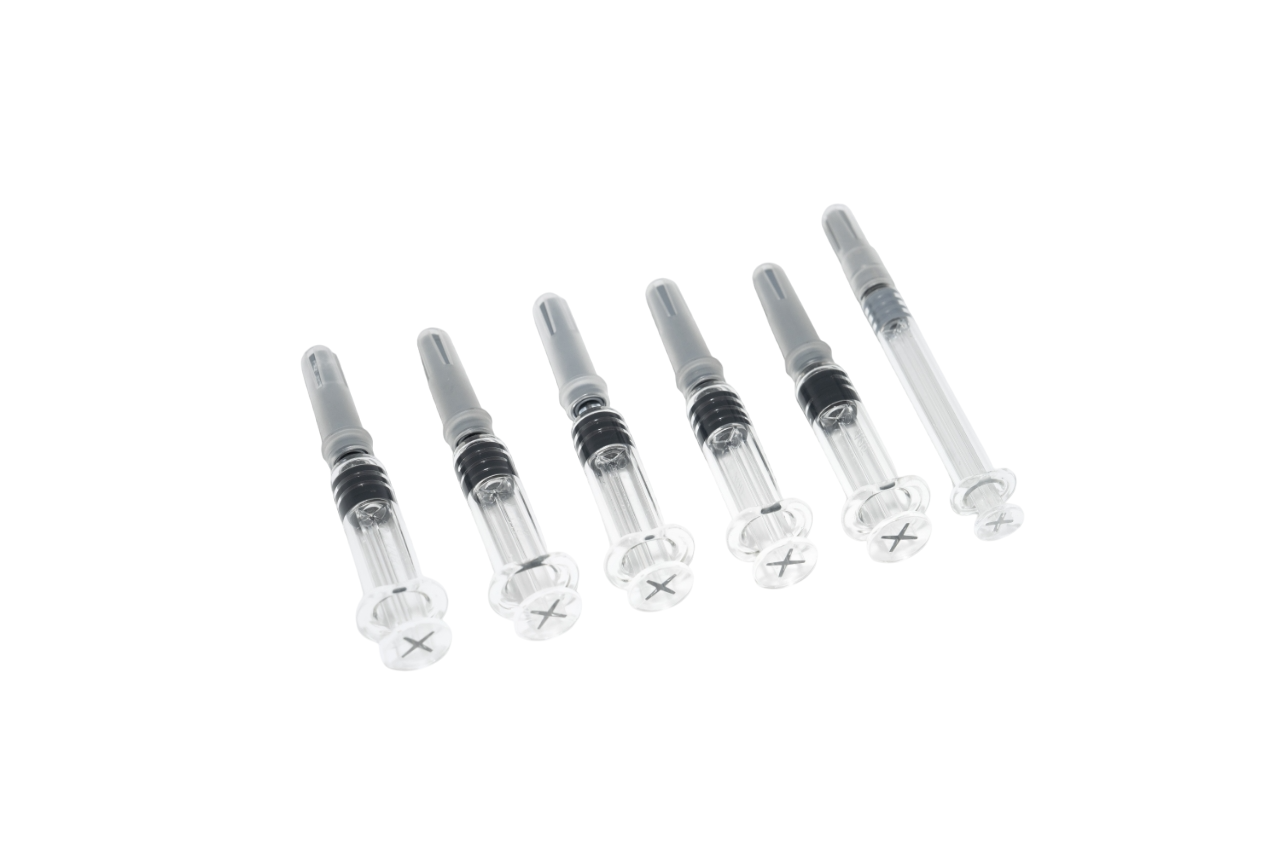
I vividly recall raising this with prefilled syringe manufacturers and procurement teams; the reply was often technical but incomplete. I have audited lines where siliconisation was assumed uniform, yet our moisture mapping (not uncommon in humid locations) showed hotspots that undermined shelf stability. When I discuss pre-filled syringe products, I focus on tangible failure modes: plunger stopper drag, inconsistent needle gauge seating, and micro-fractures in the glass barrel that appear after sterilisation. These are not abstract risks — a delayed hospital delivery, an extra QC cycle for 25,000 units, a returned shipment. That is where process design must move beyond checklists and into root-cause redesign. — Next I will outline practical shifts that matter.
From diagnosis to action: technical levers that change outcomes
Let us define what good process design actually does: it aligns material science, handling steps and environmental control so that a pre-filled syringe product leaves the factory with predictable performance. I have worked with a 1 mL Luer-lock line in Mumbai where a simple change in plunger stopper supplier cut particulate events by 40% within six weeks. This is not magic — it is selection, validation and tight in-process controls.
What’s Next?
Technically, the priorities are clear. First, validate siliconisation uniformity under the exact humidity profile of your storage and transport route. Second, test needle gauge seating under worst-case mechanical vibration; third, monitor glass barrel stress post-sterilisation. I recommend routine sampling tied to measurable thresholds — for example, set a maximum allowable drag force for the stopper (in Newtons) and reject batches outside that band. Not ideal — but fixable. Also, integrate supplier performance metrics into your procurement contracts; I have seen turnaround times and defect rates improve after adding simple scorecards.

In practice, when wholesalers choose suppliers of pre-filled syringe products they should compare across three key metrics: manufacturing process capability (Cp/Cpk for critical dimensions), environmental control adherence (dew point, particulate counts) and supplier traceability (batch-level component records). I will not pretend this is easy — it requires investment and discipline. However, with these measures in place you reduce returns, speed up release and protect patients. I have learned this through hands-on audits across Bengaluru and Chennai factories since 2008; small changes delivered a 30% reduction in line stoppages over one calendar year. Interruptions happen. Fixes work.
Final note: when you evaluate vendors, ask for data — not promises. Review Cp/Cpk, sample test reports for plunger stopper drag, and sterilisation cycle validation. These are concrete, comparable items. And if you want a starting checklist, consider: supplier quality index, in-process control limits, and documented corrective actions. I keep a short one-page template that I share with buyers; it saves time and clarifies expectations. For supplier discussions and validated solutions, I often refer teams to LINUO.