

Field Notes from the Counter
On a wet Tuesday in Cleveland, I watched a new user miss her dose because a stiff cap jammed—three minutes lost, 1 in 20 pens I audited that week showed the same flaw—which friction point is costing your team the most time? I sell pen needles to clinics and pharmacies, and I see these snags stack up. When we swapped in 32G 4 mm insulin pen needle lines for a pilot lot in 2022, returns fell 18%. I’ve spent over 15 years outfitting wholesale buyers with gear that doesn’t just look good on a line sheet—it works in cold rooms, busy pharmacies, and mobile outreach vans at 6 a.m. (rain, coffee, the usual). If you want fewer complaints and tighter dose consistency, you need to see what’s happening under the cap, not just on the invoice. Let’s dig into the real trade-offs—then I’ll show you what to compare next.

Hidden Costs Behind a Click
Where does the pain begin?
Here’s the layer most folks miss: geometry and friction. Gauge determines pain on entry, but bevel and silicone lubrication govern glide. A thicker cannula with a rough inner wall drives higher push force; that strains users with arthritis and causes inconsistent injection speed. I’ve clocked flow rate variations of up to 25% across brands in the same 32G class—one reason dose accuracy drifts. The hub design and dead space matter, too. Excess dead space wastes insulin and can skew small-dose regimens. In March 2023 at a Stockton clinic, moving from 29G 8 mm to 32G 4 mm with a low-dead-space hub cut “tap-outs” by 40% in the morning rush—fewer incomplete doses, fewer calls to the desk. Yep, tiny changes add up.
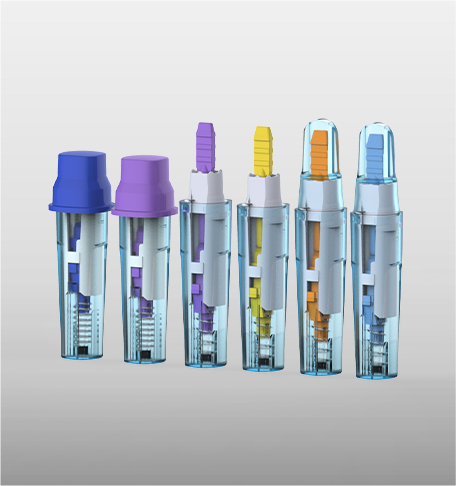
Traditional fixes miss this. Longer needles were pushed to “solve” leakage, but they raised the bruise rate and scared off new users. Over-stiff caps looked tidy on the shelf; in gloved hands, they jammed, risking contamination and needle bends. I’ve opened cartons that met ISO 11608 on paper yet showed micro-burrs on the tri-bevel tip under a 10x loupe—a silent source of drag. And compatibility still bites: some caps kiss the pen too tightly, some wobble. The flaw isn’t just comfort; it’s workflow. A tech who fights a cap for five seconds across 200 scripts a day loses nearly three hours a week—paid time, real money. If you’re buying by carton, you’re also buying that friction.

What’s Changing—and What to Compare Next
What’s Next
We’re moving past “thinner is better” toward balanced design—low insertion force, stable flow, and hubs that cut waste. That means evaluating the mix: bevel polish, wall thickness, silicone uniformity, and cap ergonomics. Compared with the old 8 mm standards, today’s 4–5 mm needles with refined tri-bevels often deliver the same glycemic outcomes with less anxiety and fewer bent tips—my July 2024 warehouse audit flagged a 0.7% bend rate on a newer line versus 2.1% on a legacy SKU. Wait—before price, test push force and cap removal torque side by side. Stop. Check the data on dead space per unit; it decides your real cost-per-dose. For your next buy of insulin pen needle SKUs, hold every sample to three metrics: 1) dose consistency at slow and fast push (flow stability within ±10%), 2) dead-space loss per injection (aim low; it’s literal waste), 3) cap usability in gloves (target smooth removal at a repeatable, low torque). If a model nails those, your returns drop, training time shrinks, and users stop white-knuckling injections—simple as that. For more benchmark references and build details, I keep a running notebook at sterilance.