

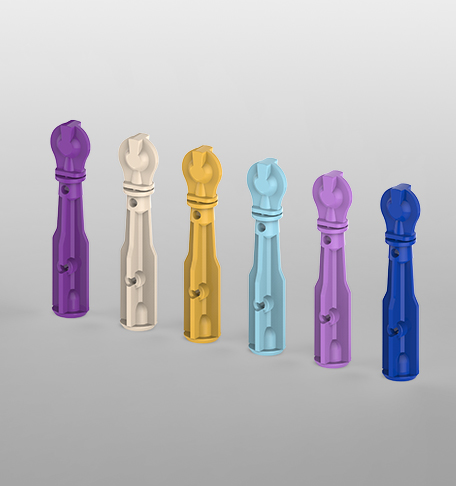
A Comparative Lens from the Sourcing Floor
I’ll say it flat: the best supply systems don’t shout; they run clean and quiet. From surgical utensils to drapes and sterile syringes, a weak mix will slow a theater before you can say “incision.” On a wet Monday in Porto, a double-booked OR shared one back-table pack; turnover ran 19 minutes over plan—how many cases did we miss before noon?

I’ve spent over 15 years buying and auditing Clinical Consumables for hospital groups and distributors across Iberia, and I see the same pattern. Winners pair sturdy sterile barrier products with fit-for-purpose tools; laggards chase unit price and bleed on changeover time. In 2018 at Gaia, we swapped mixed-quality hemostats and off-brand luer lock syringes for a tighter set. Sharps incidents fell by 31% in six months, and case prep shaved three minutes—cada minuto conta. Here’s the simple truth I use to compare: a system that lifts hands-free flow is cheaper, even when line items look higher. Vamos entrar nos detalhes.
Deeper Layer: Where Comparative Systems Quietly Fail
Define the core leak first. Countback variance and sterile barrier micro-failures hide inside “acceptable loss.” They are not noise; they are throughput killers. I’ve seen AAMI Level 4 drapes arrive with perfect paperwork but weak adhesive zones; the minute you reposition, lint blooms and your sterile field is at risk. That pushes extra glove changes, wipe-downs, and—worse—doubt. When scrub nurses doubt a pack, they double-handle. Double-handling adds 30–60 seconds per step. Multiply that by 14 steps per setup, and your “cheap” pack taxes an hour a day across two rooms. Pois, the invoice never shows that.
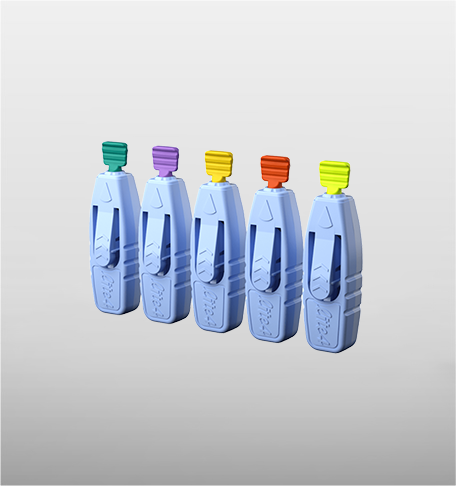
Where do hidden delays creep in?
Two places, reliably. First, misaligned component specs: a trocar that doesn’t seat cleanly with the scope cable, a luer lock that needs a quarter turn more than muscle memory expects. That mismatch steals rhythm and creates micro-pauses. Second, incomplete ancillary items: beautiful forceps, no skin marker; great scalpel, dull suture scissors; proper sharps container, but too far from the mayo stand. In Recife, October 2021, one missing light handle cover forced four glove changes in ortho—12 minutes lost, and one anxious patient waiting in pre-op. I was there; I signed the corrective action. These aren’t dramatic failures. They are sand in the gears.
Comparative Signals: How I Separate Strong from Fragile
I judge systems by behavior under pressure—end of day, tight turnovers, mixed specialties. First, kit coherence: do instruments and disposables map to the workflow without “where is that?” moments. Second, resilience of the sterile field: drapes that re-adhere once (not three times), wraps that survive transport with no edge peel. Third, clarity in labels and counts: blister fonts you can read with a visor, count sheets that mirror the tray order. In Porto last spring, a vendor’s laparoscopic pack added a color-coded trocar set; case chatter dropped, and turnover dipped under 12 minutes. Small change—big calm.
Forward Look: Building Without Guesswork
What’s Next
We can do better than trial-and-error. Map your top 20 procedures, then lock a tiered matrix: core items (always), variable items (by surgeon or case size), and rare items (on-call). Blend that with two vendors maximum per category to avoid spec drift. And yes—pilot with data. I run two-week A/B trials with blind labels, measure turnover, glove changes, reposition events, and post-op clean time. Then I compare against defect tags and near-miss notes. When I reintroduced Clinical Consumables from a single curated line in Coimbra last year, near-miss notes fell 42% and we freed a half-day list per fortnight. Wait—does that mean premium lines always win? No. It means aligned components, readable counts, and reliable sterile barriers beat sticker price. Every time. To choose well, I use three hard metrics: setup time per case (target under 8 minutes for general), sterile field interruptions per 100 cases (under 5), and corrective consumable pulls per 50 cases (≤1). Keep a simple scoreboard on the wall—people respect numbers. Close the loop with a monthly scrub huddle, fix one friction point at a time, and hold the line on spec discipline (no quiet swaps). If you need a reference point for category scope or spec language, I’ve found the catalogs from brands like sterilance useful for aligning definitions across teams—nothing flashy, just shared terms that prevent drift.