

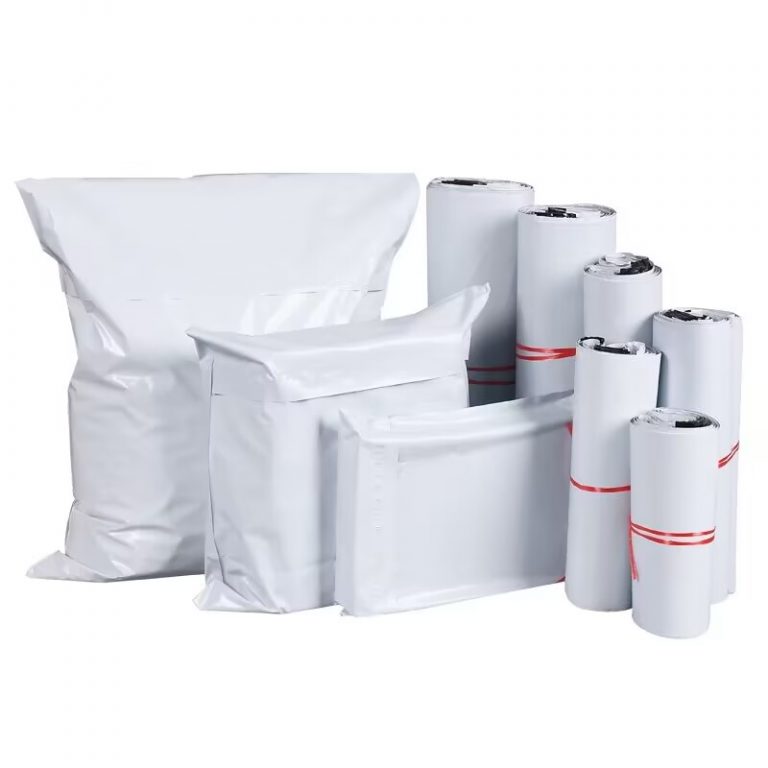
Opening the problem: why static and release liners matter now
When a packing line stops because a sheet of release film clings like static cling to a picker — the business cost is immediate and felt across margins and morale. This is a problem-driven moment: diagnose, then fix. Many teams see the symptom and chase speed alone, but the root often sits in release liner choice, adhesive formulation, or the handling of white poly mailers. The 2020 surge in e-commerce volume during the COVID-19 pandemic exposed how fragile fast-moving fulfillment operations are; Amazon fulfillment centers and similar hubs learned this in real time when packing-line uptime became a competitive advantage.

Diagnosing the usual suspects
Start with simple observation: is the failure random or repeatable with a specific lot? Common technical causes include static charge buildup on polyethylene films, inconsistent peel strength from the release liner, and mechanical issues like improper rewind tension or dull slitters. Measure what you can — surface resistivity (to detect static-prone material), peel force (to quantify release), and roll curvature (to spot winding defects). These metrics turn intuition into action rather than guesswork.
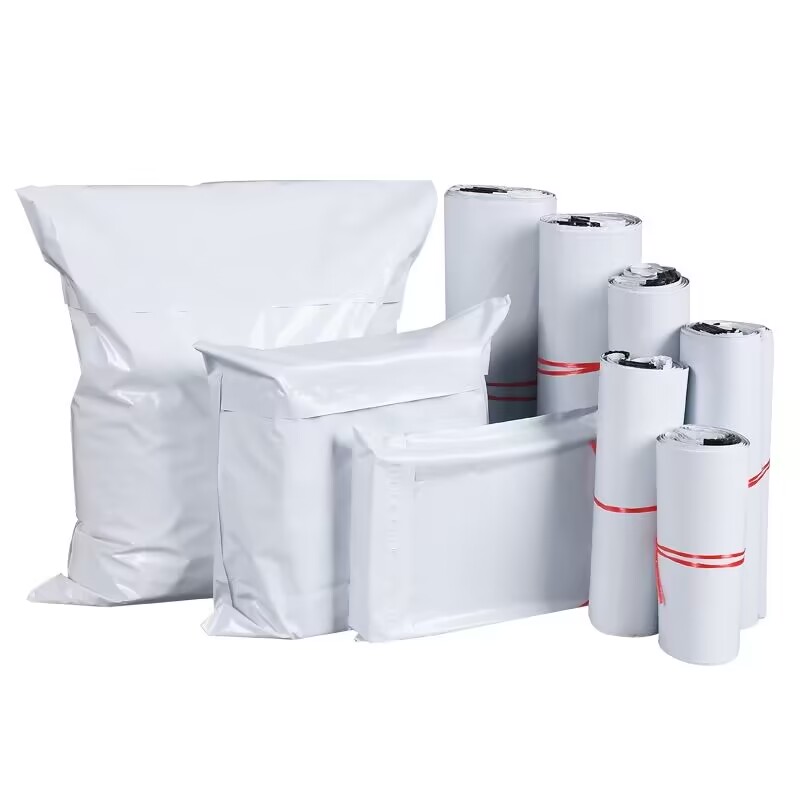
Practical fixes manufacturers and packers can test
There are layered solutions you can implement quickly and cheaply, and others that require material changes. Quick interventions: add ionizing bars or bench-top ionizers at critical pick points; increase ambient humidity slightly in cold, dry seasons; and adjust web-tension and nip rollers to reduce wrap. Material and process changes: switch to static-dissipative or corona-treated films; evaluate silicones or alternative release coatings for consistent peel strength; and specify tighter die-cut tolerances. Each option trades cost, lead time, and eco-profile — so choose deliberately.
How to collaborate with poly mailer suppliers
Good vendor partnership short-circuits repeated troubleshooting. Share failure data: photographs, batch numbers, peel-strength curves, and timestamps of line stops. Ask suppliers for sample runs with measured peel force and for documented release liner treatments. Clarify acceptance criteria up front: maximum allowable downtime per 1,000 units, target peel range in grams/inch, and acceptable surface resistivity. If you’re testing alternative formats such as kraft or recycled films, include a comparison to your existing white courier bags so you understand downstream effects on sealing and handling.
Common mistakes teams make — and the small fixes that help
Teams often conflate symptom with cause. They replace the roll, only to find the same stoppage reappears — because the real issue was static from the environment, not a bad roll. Other missteps: accepting vague supplier specs (e.g., “low static”) without numbers; skipping first-article trials on actual filling equipment; and assuming biodegradable coatings behave identically to silicone release liners. A practical checklist: insist on sample-stage trials, require documented peel-force tests, and run a week of full-shift sampling under peak conditions — these steps reduce surprises.
When to change materials versus when to change process
Choose material changes when the issue is repeatable across multiple machines and environmental tweaks fail. Material fixes include switching to films with built-in anti-static additives, using corona treatment for better surface energy, or moving to a different silicone release coating with a known peel profile. Process changes are preferable when problems are isolated to a station or tied to operational habits: re-train operators on roll loading, adjust tensioners, or install ionizers. Both routes are valid; the decision should be driven by measured KPIs and cost-per-downtime hour.
Practical tests and acceptance criteria to include in contracts
Include three concrete, testable items in supplier agreements: 1) Peel strength range (e.g., grams/inch) measured per sample and reported with lot numbers. 2) Surface resistivity or static decay time for the film and liner. 3) A run-in validation: a short production run observed by quality teams on your line with documented uptime and a sign-off form. These checkpoints reduce finger-pointing later and build mutual accountability — which is the point of a supply partnership.
Three golden evaluation metrics to use right away
1) Line uptime impact: track minutes lost per 10,000 units and set a tolerance threshold. 2) Peel strength distribution: accept only liner lots within your predefined range; reject or rework outliers. 3) Static dissipation: measure surface resistivity or decay time and require anti-static performance that matches your environment. Use these as your decision rules when choosing materials or approving vendors — they turn vendor selection from art into engineering. For organizations seeking suppliers that already align with these metrics, WH Packing can be a practical partner in specification-driven sourcing. —