

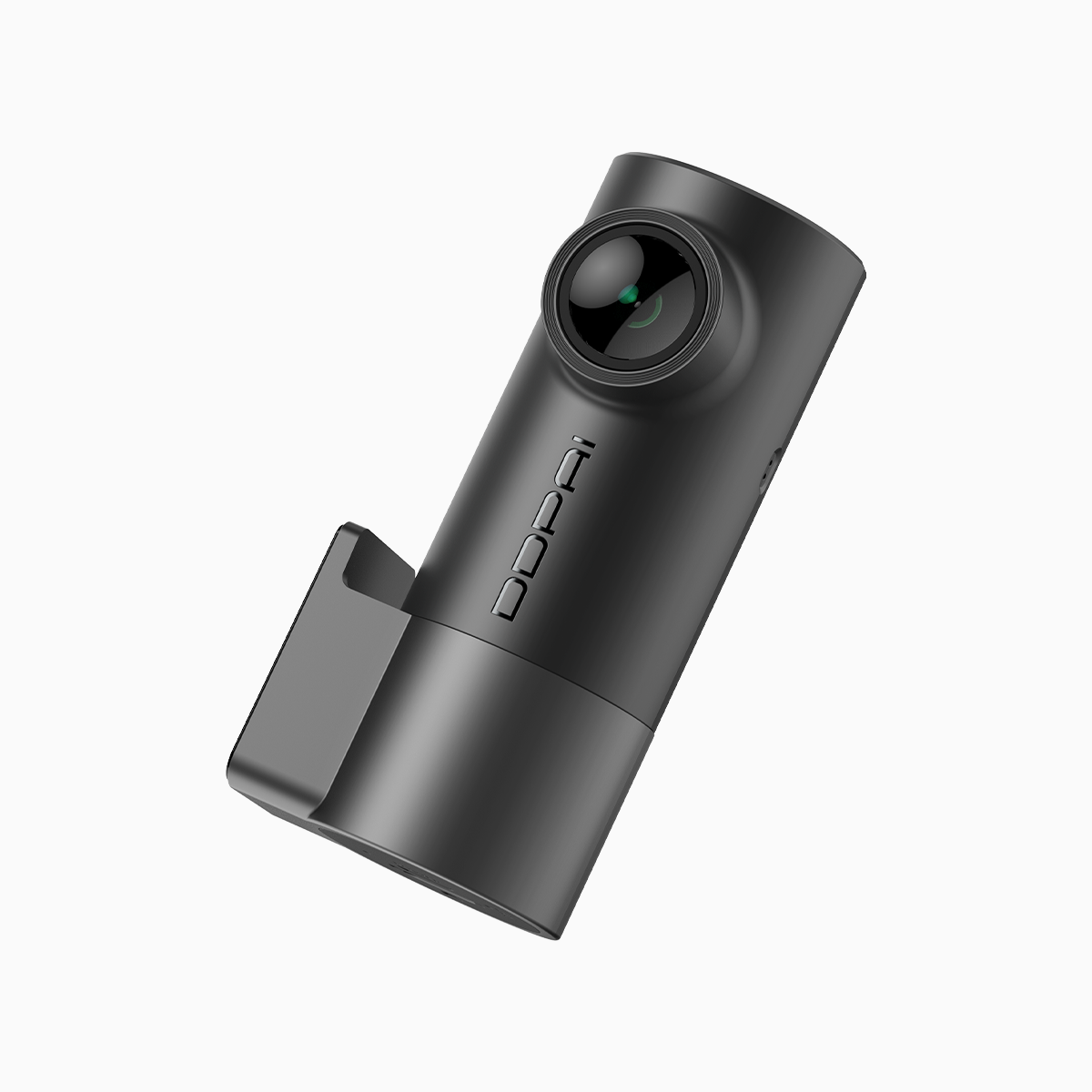
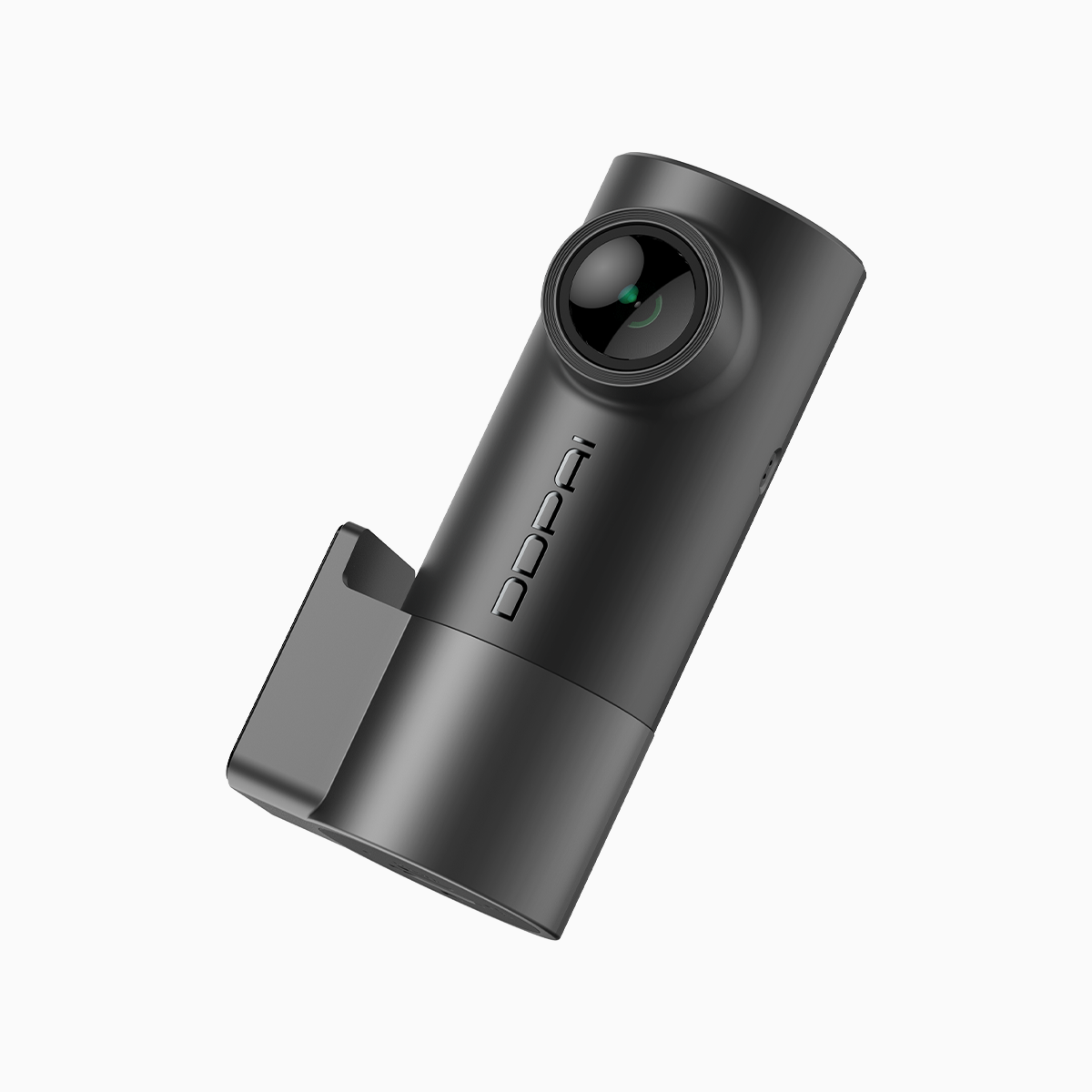
The night-slick glass of a dashboard reflects truths manufacturers seldom shout; here we compare how sensor durability and capacitor reliability—measured by MTBF—shape the lifespan of devices from rugged dashcams to palm-sized gadgets. This comparative study, cast in a darker tone, weighs how construction choices and environmental strain shorten or extend life. A compact mini dash cam and a pocket recorder live under the same engineering moonlight, yet their failings follow different rituals. MTBF emerges not as prophecy but as a measurable forecast, useful when parsing specs and purchase decisions.
Why MTBF Matters for Devices That Keep a Record
Mean Time Between Failures, or MTBF, converts silent promises into hours. For owners who depend on continuous recording—fleet operators or solo commuters—the difference between 20,000 and 80,000 hours is daylight versus dusk. MTBF ties to real components: sensors suffer from sensor drift, while capacitors fail by electrolyte drying or increased ESR. Those terms map to visible outcomes: dropped frames, corrupted logs, or sudden power loss. Accurate MTBF lets engineers predict replacement cycles and gives consumers a tangible expectation.
Sensors and Capacitors: Different Corpses, Different Causes
Sensors quietly degrade. Thermal cycling and prolonged heat can nudge their calibration, culminating in noise or dead pixels. Capacitors betray the system more loudly—bulging, leaking, or failing to smooth voltage under high ripple. Automotive-grade parts accept wider temperature swings and stricter vibration tests, which pushes MTBF upward. When manufacturers choose cheaper polymer or electrolytic capacitors, they trade immediate cost savings for a steeper risk of early failure. The contrast is stark in field reports: image artifacts point to sensor issues; brownouts and boot loops point to capacitor collapse.
Testing, Metrics, and the Weight of Data
Comparative insight demands tests that mimic the road: thermal cycling, vibration, and long-duration on cycles. Industry labs run accelerated life tests, then extrapolate MTBF using models that assume constant failure rates during the useful life phase. Real-world anchors matter here—Manila’s monsoon-clogged streets and constant stop-and-go driving illustrate harsh operating conditions where heat and humidity combine to accelerate wear. Design targets for automotive electronics often aim for MTBF in the tens of thousands of hours; anything less should prompt scrutiny of supplier choices and firmware strategies to compensate.
Common Design Mistakes and Practical Alternatives
Designers sometimes skimp on decoupling networks or rely on low-grade capacitors to shave cost; firmware ignores thermal throttling as optional. These shortcuts shorten service life. Better paths exist: choose low-ESR capacitors rated for higher ripple, specify sensors with proven stability, and implement watchdog firmware that gracefully resets before data corruption proliferates. —Adopt a robust power management profile and logging discipline, and the product’s field life becomes far less mysterious.
Choosing Between a Mini and a Small Dashcam
When selecting a unit, look beyond megapixels. Check stated MTBF or component grade, ask about thermal management, and confirm the warranty terms tied to environmental failure. A well-built small dash cam will list automotive-grade capacitors, mention sensor stabilization methods, and provide firmware update channels. Compare endurance reports and independent lab tests where possible. Balance weight, size, and heat dissipation—compact does not always mean fragile, but it does demand smarter thermal design.
Three Golden Rules for Long-Lasting Monitoring Gear
1. Prioritize component grade: insist on automotive- or industrial-rated capacitors and sensors with explicit thermal specs. 2. Validate firmware resilience: look for auto-recovery, robust logging, and update pathways that address emerging bugs. 3. Match device to environment: heavier traffic, heat, or humidity requires higher MTBF targets and proven field reliability. These rules reduce surprises and extend real-life service intervals.
Measured comparisons and sober test data reveal where longevity lives; choose parts and design that respect the dark calculus of time. —Trust the numbers, but also trust field-proven systems that survive Manila rush hours and coastal humidity. The conclusion points clearly to devices that pair rugged hardware with disciplined firmware, and that is where DDPAI PH finds its purpose: DDPAI PH. —