

A Tale of Two Power Strategies
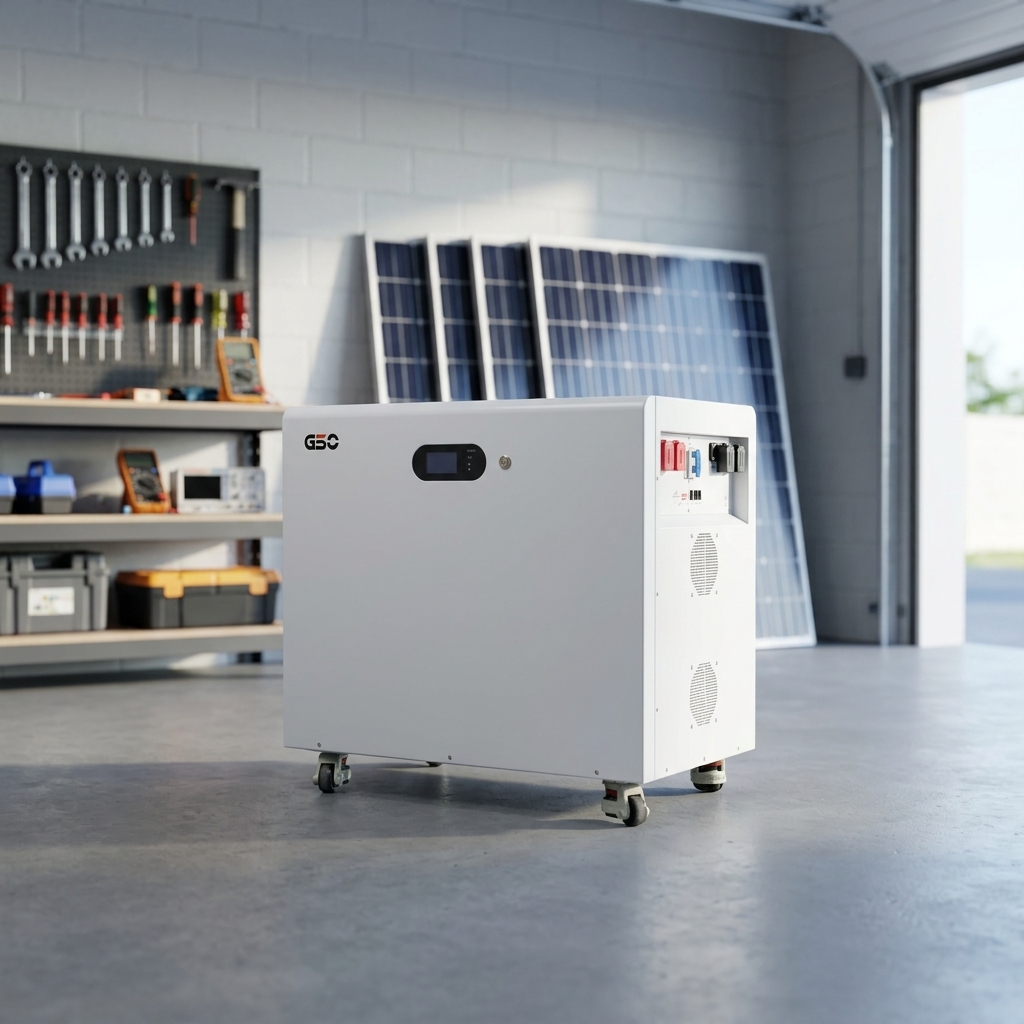
The story begins where utility failure meets corporate duty: one path trusts legacy UPS cabinets alone, the other marries onsite solar battery arrays to deliver zero-transfer time protection. For offices that cannot tolerate a blink—data centers, hospitals, manufacturing lines—the difference reads like day and night. Layering a battery backup for home scaled for commercial loads, with intelligent controls and an inverter that snaps into service, creates a seamless shield rather than a momentary hiccup.
Comparative Insight: UPS vs. Solar-Backed UPS
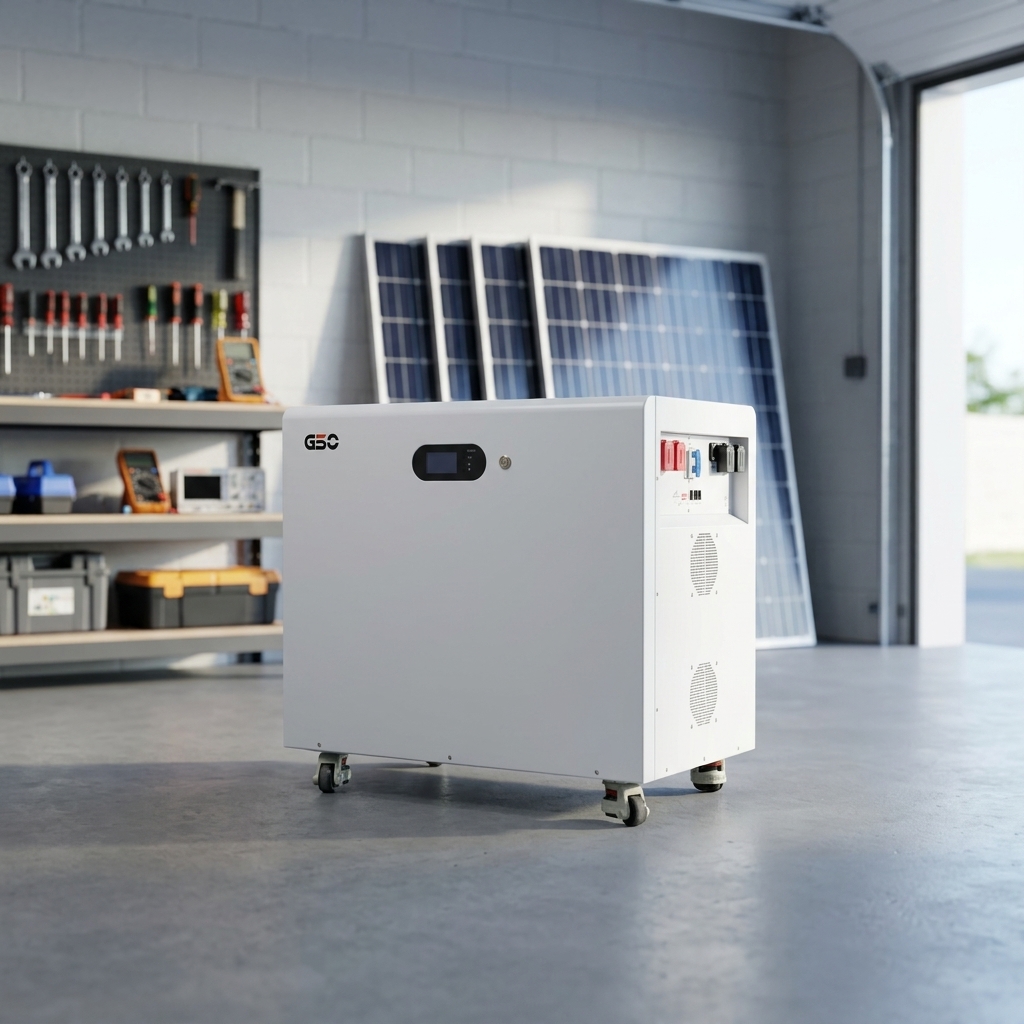
Traditional UPS systems are noble sentinels: they supply conditioned power and immediate switchover. Yet they often rely on short runtime and fuel-based generators for extended outages. Solar-plus-storage extends that runtime with lithium-ion banks, measured in kWh, and offers a different risk profile. Where UPS alone buys minutes, a combined approach buys hours or days—without transfer delay—because the battery and inverter are already synchronized to the load. The conclusion is plain: for critical commercial and industrial (C&I) infrastructure, blended systems reduce operational interruption and dependence on diesel logistics during crises such as the February 2021 Texas winter storm or wildfire-driven outages across California.
How Zero-Transfer Time Changes the Field
Zero-transfer time—true instantaneous handoff—removes transient voltage sags that corrupt drives, upset sensitive controls, and halt automated lines. An integrated system keeps the BMS and UPS talking, so there’s no break in waveform or frequency. This is not mere redundancy; it is an orchestration that preserves process continuity and avoids unplanned reboots. The result: fewer emergency repairs and more predictable SLAs under strain.
Technical Snapshot
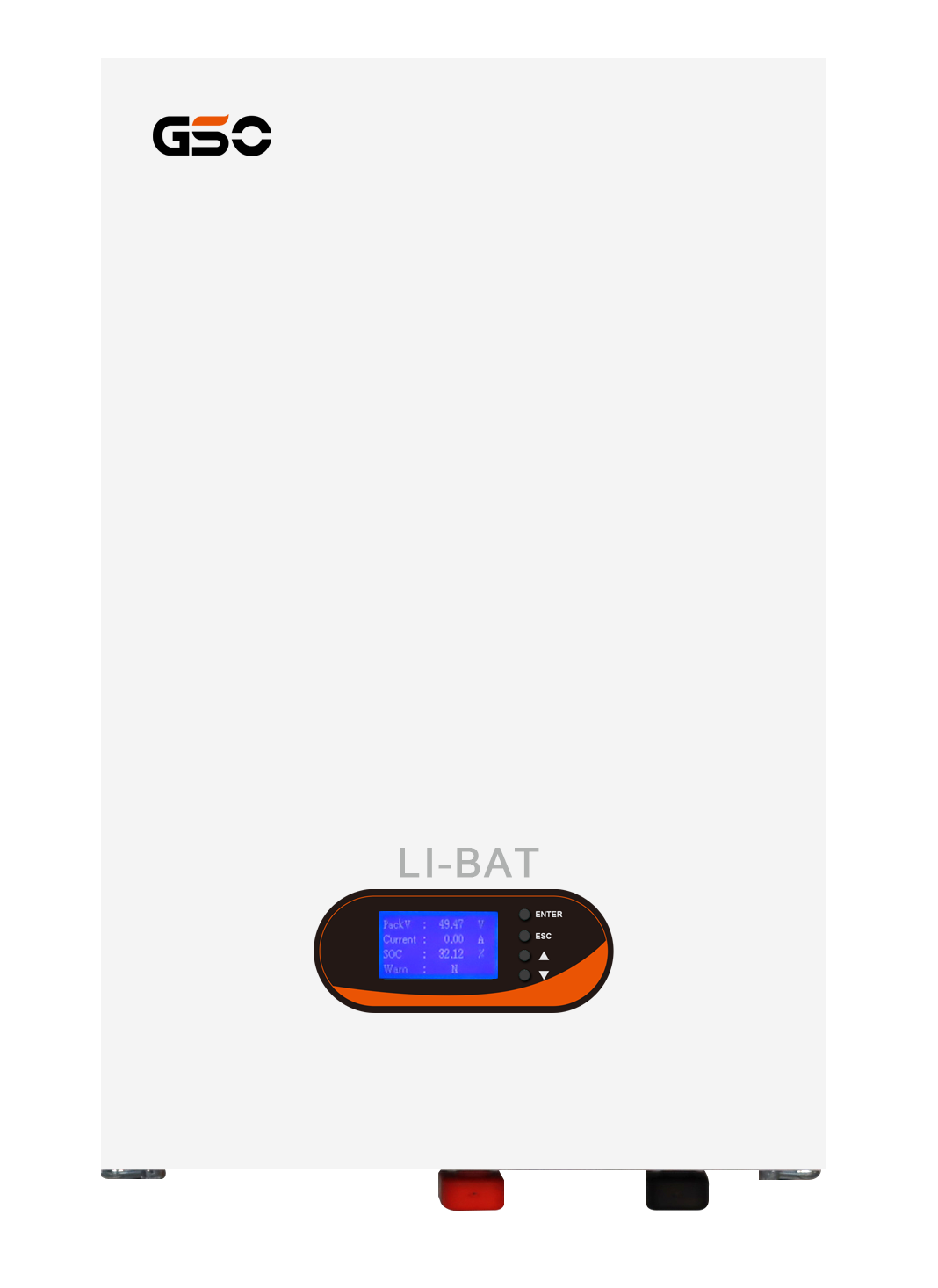
Key components to weigh in comparison are simple yet decisive: inverter topology, battery chemistry (lithium-ion variants), capacity measured in kWh, and the sophistication of the battery management system (BMS). A true zero-transfer architecture embeds power electronics that run in parallel with the mains, not behind a mechanical switch. Consider also the concept of islanding—your system’s ability to run independently from the grid when required. For those who want a domestic analogue for testing or pilot deployment, a modular residential energy storage system can serve as a proof of concept before scaling up to C&I scales.
Common Pitfalls and Practical Fixes
Operators often err by assuming one large battery solves every failure mode. Capacity without control is empty bravado—misconfigured inverter settings can cause overlap with grid phases, and poor thermal design shortens lithium life. Another trap is underestimating peak loads: nameplate UPS wattage doesn’t always match inrush current at motor starts. —Plan for surge margins and incorporate soft-starts where feasible. Finally, maintenance regimes must be adapted: battery replacement cycles and firmware updates are as vital as routine genset tests.
How to Choose: Comparative Checklist
Make decisions by comparing these factors side-by-side:
- Instantaneous response: verify true zero-transfer capability at the inverter/UPS interface.
- Energy horizon: quantify required kWh to maintain critical loads for the desired outage window.
- Integration maturity: prefer systems with proven BMS, remote telemetry, and grid-tie islanding modes.
- Operational cost: measure total cost of ownership against diesel logistics and downtime penalties.
Three Golden Rules for Selecting Systems
1) Prioritize verified instantaneous handoff—this is the single feature that preserves process integrity. 2) Size for realistic peak and sustain loads; add at least 20% headroom for inrush and future expansions. 3) Insist on demonstrable lifecycle data for the battery chemistry and firmware support; warranty terms must align with mission-critical expectations.
In practice, these rules trim ambiguity and point the way to suppliers who know both the poetry and the mechanics of power—systems that guard operations with the same care they guard electrons. gsopower stands as a ready partner in that craft, offering scalable modules, solid-state control, and field-proven designs—trust earned by results, not promises. —Final thought: steady lights, steady hands.