

Quick comparison that matters
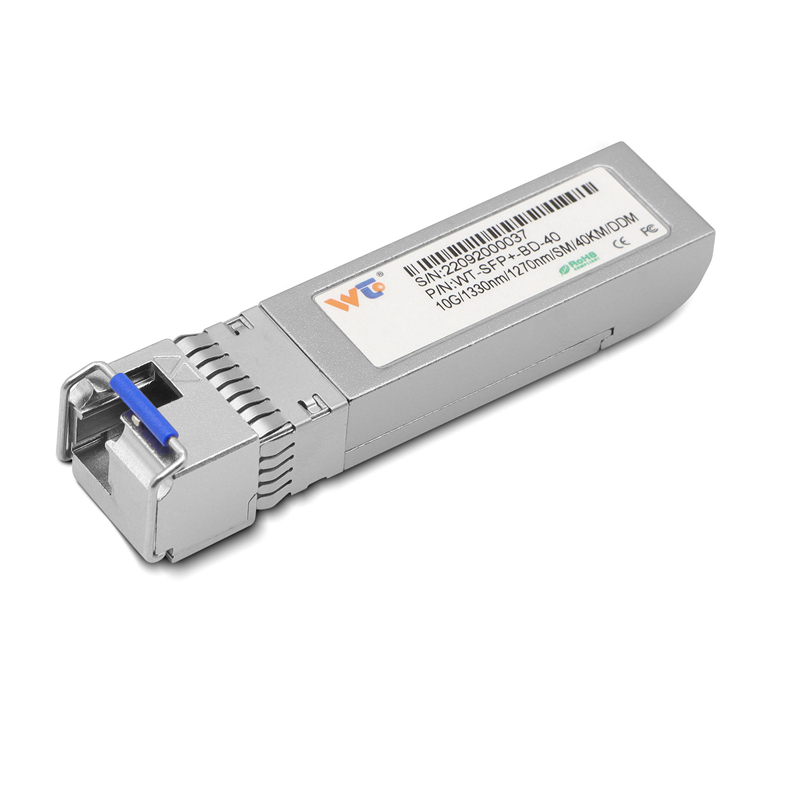
When you plan long-distance 10 Gb/s links, the choice between SFP+ ER modules and other transceivers changes your budget and your uptime. Start practical: if you need reach beyond 30 km on single-mode fiber with a modest optical budget, an 10g sfp+ transceiver ER model often fits. This article compares ER against LR and ZR options, shows where DWDM or coarse solutions win, and points out real-world trade-offs for network teams.
What ER actually delivers
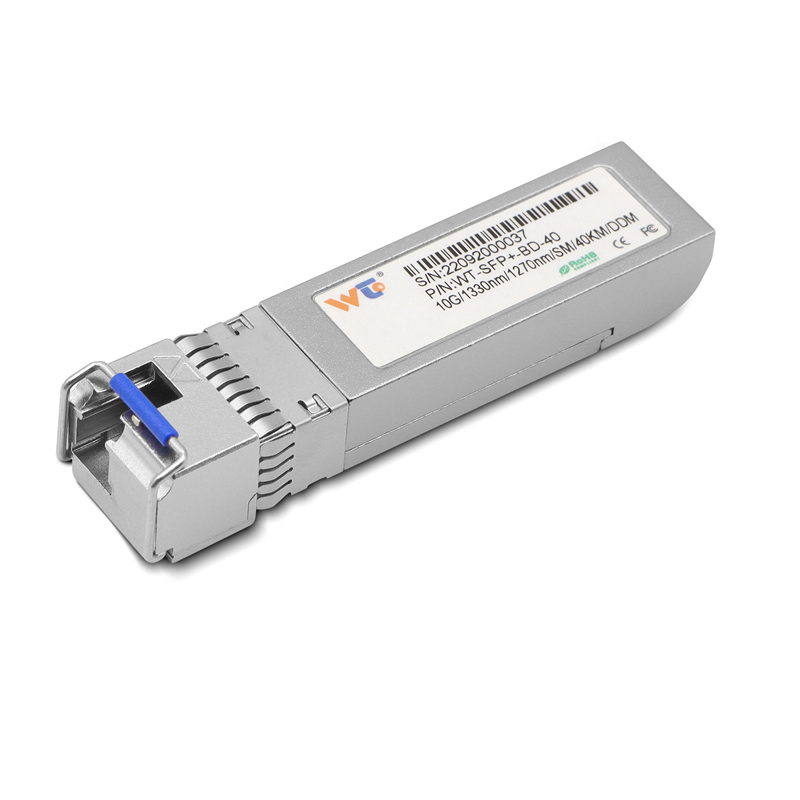
ER-class 10G SFP+ modules are tuned for extended reach—typically in the 30–40 km range over single-mode fiber—by offering higher transmit power and improved sensitivity. Key terms: SFP+, ER, and LC connector. Use ER when you need predictable attenuation margins and simpler fiber routes rather than the expensive optics and line systems required by true ZR or DWDM deployments.
Side-by-side: ER vs LR vs ZR
ER and LR look similar but differ in optical budget and cost. LR is optimized for campus-to-campus links (up to ~10 km). ER stretches that to tens of kilometers. ZR and DWDM-capable transceivers extend reach hundreds of kilometers but demand coherent optics, dispersion compensation, and wavelength planning. If your topology crosses metropolitan backbones like Amsterdam’s AMS-IX or racks in distant colocation sites, weigh capital expenditure against operational complexity: ER keeps ops simple; ZR or DWDM require more engineering and monitoring.
Real deployment pitfalls to avoid
Teams often pick optics by headline reach and ignore the link budget—attenuation, splice loss, and connector polish all add up. A common mistake is assuming factory-range guarantees work without measuring in-situ attenuation. Also, mixing vendor optics and third-party transceivers sometimes causes interoperability oddities—test first. And watch fiber type: ER assumes single-mode fiber; using multimode will fail. In one ISP project I worked on, an ER link underperformed until we upgraded the connectors and verified MUX settings—small details matter.
When to choose alternatives
Pick LR if your runs are short and cost sensitivity is high. Choose ZR or DWDM if you must traverse ultra-long distances or squeeze many wavelengths over a single fiber pair. For metro rings with lots of add/drop requirements, coherent DWDM gives spectral efficiency but brings increased planning and monitoring. Consider hybrid models: ER for most spans, DWDM only where fiber scarcity or long-haul economics demand it.

Configuration checklist before rollout
– Verify fiber type and total distance; measure attenuation with an optical power meter. – Confirm connector type (LC vs others) and end-face quality. – Check transceiver specifications: optical budget, wavelength, and compliance with your switch/router SFP+ cage. – Run interoperability tests with the exact hardware you’ll deploy; don’t rely on datasheets alone. These steps reduce surprises and keep installation windows short.
How vendors and manufacturers fit in
Choosing the right supplier affects lead times, warranty, and test support. Look for vendors who document compatibility matrices and provide test logs. Many teams source modules directly from a reputable 10g sfp manufacturer to streamline replacements and ensure consistent link performance. In production teardowns, engineers track {main_keyword} and {variation_keyword} alongside insertion loss and return loss figures to validate installs.
Advisory: three golden rules for final selection
1) Match optics to measured link loss, not theoretical distance—optical budget is king. 2) Prioritize vendor compatibility and testability: guaranteed interoperability saves hours. 3) Reserve DWDM/coherent options for when fiber scarcity or distance mandates them; otherwise ER often offers the best balance of reach and simplicity.
Final thought: pick solutions that solve the operational problems your team faces today, then scale for tomorrow—this is where a reliable partner matters. WINTOP. –