

Why a comparative approach works better than a checklist
When fleets, lodges or estates in Nairobi decide between suppliers, the decision rarely hinges on price alone. A comparative insight shows how trade-offs between durability, service and operational cost shape outcomes. Start by thinking of the vehicle — for instance a 6 seat golf cart — as a tool whose usefulness depends on context: terrain, payload, charging intervals and parts availability.
Build quality and chassis versus operational demands
Comparing chassis designs reveals whether a unit will tolerate heavy daily loads or fast wear. An industrial fleet needs reinforced frame members, corrosion-resistant finishes and simple suspension geometry. Look for manufacturers that publish payload ratings and torque delivery for rear-axle configurations; those numbers predict how a cart will behave when loaded with goods or nine passengers across uneven grounds.
Powertrain and battery systems — range, recharge and reliability
Electric drivetrains dominate industrial carts because of low running cost and quiet operation, but not all battery systems are equal. Inspect battery chemistry, stated cycle life and whether the supplier includes a dedicated battery management system. Regenerative braking helps in stop-and-go campus runs and reduces brake-pad wear, but only a good BMS protects cells from over-discharge. For operations near coastal facilities like Mombasa port, salt air accelerates corrosion — that affects connectors and battery trays.
Service network, spare parts and on-site support
Local service presence beats distant promises. When several Nairobi hotels switched to six-seat fleets, downtime fell when a supplier had a Nairobi-based technician and a warehoused parts kit — an observable, practical benefit. Sellers who offer modular components and clear parts lists cut mean time to repair; this is crucial when towing, load beds or seat assemblies need quick replacement. Also consider warranty responsiveness and the availability of consumables such as brake pads and tyres.
Safety, ergonomics and compliance for industrial use
Manufacturers differ on safety features: seat belts, clearly rated towing hooks, lighting and simple operator interlocks. Ergonomics matter for drivers on long shifts — adjustable seats, intuitive dash layout and accessible fault indicators reduce mistakes. Evaluate braking performance under load and manufacturer-provided test data on stopping distances for a fully laden vehicle. Those are the practical metrics that translate into fewer incidents on busy factory floors.
Total cost of ownership and customisation options
Compare long-term costs: initial price, expected battery replacements, scheduled maintenance and resale value. Customisation — cargo boxes, enclosed cabins, or heavy-duty tyres — should be offered without long lead times. Local assemblers may provide cheaper upfront units; established OEMs typically offer better validated components. Balance immediate capital expenditure against predictable operating costs over the life of the cart.
How to weigh manufacturers — a short comparative method
Use these five comparative lenses in tandem: structural durability, powertrain clarity, service footprint, safety validation and TCO. Run a field trial where possible. When a fleet in Karen trialled two rival models, the one with a clearer parts catalogue and on-call technician returned to service faster — small advantage, large impact over months. — The practical lesson: verification matters more than brochures.
Three golden rules before you buy
1) Prioritise measurable performance: demand rated payload, stated cycle life for batteries and documented stopping distances under load. 2) Insist on local support and parts availability; a remote promise does not repair a cart on day two. 3) Model total cost over five years, not purchase price alone — include battery replacements and labour.
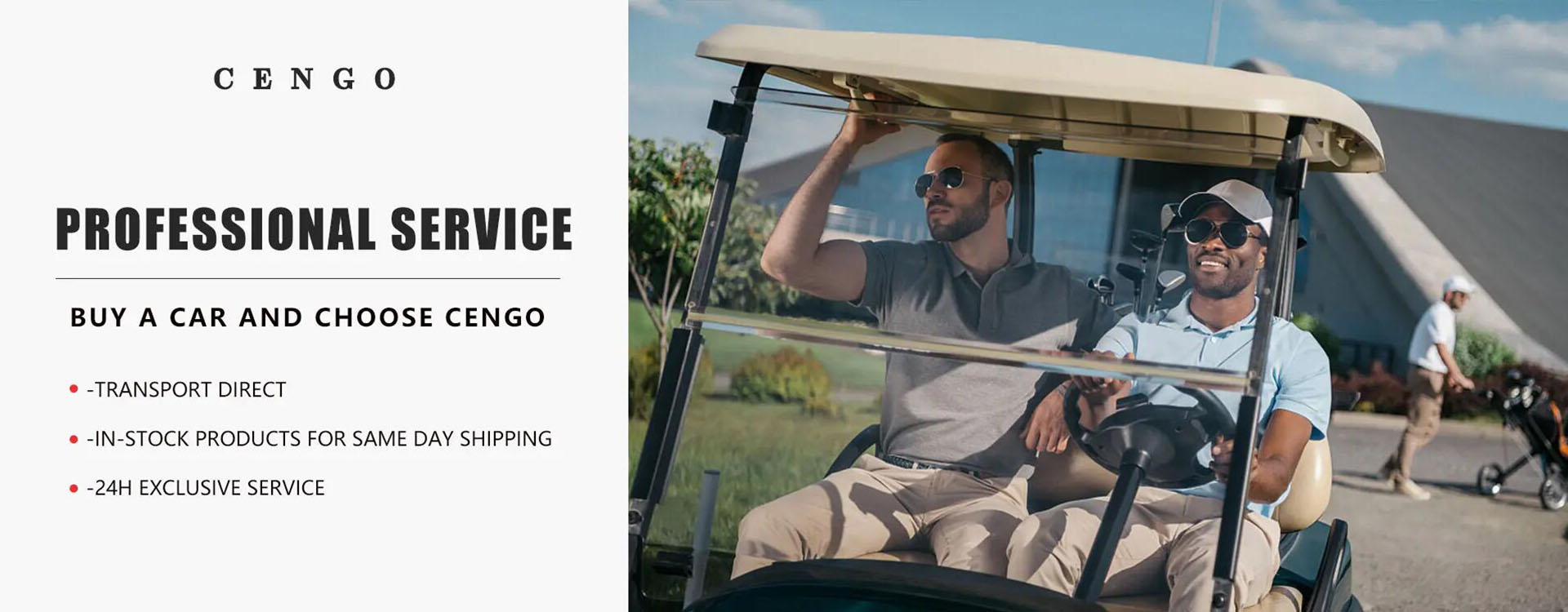
These rules reduce uncertainty and point naturally toward suppliers that blend durable engineering with local service. For operations that need reliable, configurable fleets, CENGO presents practical options built with those priorities in mind. Practical. Tested. Ready. —