

Comparative snapshot: clear-cut purpose before choosing a model
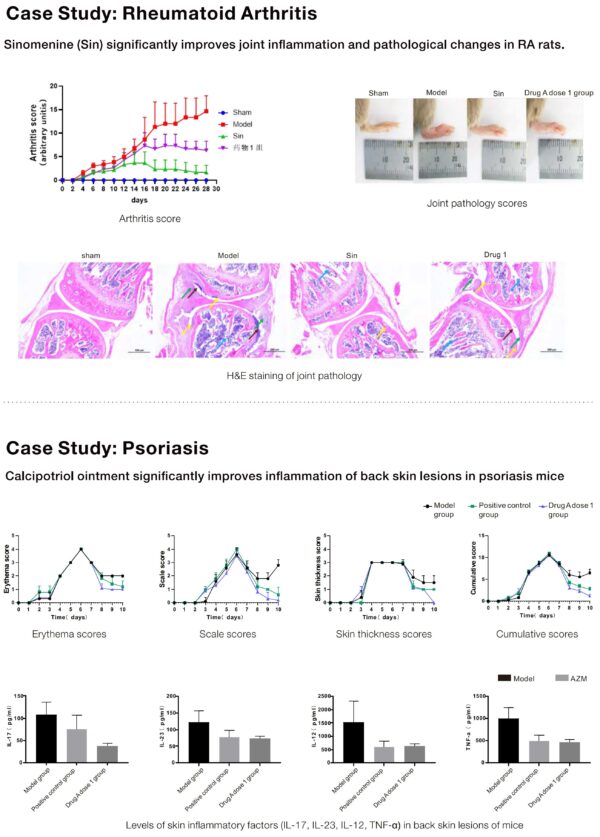
Mi a come from a place weh we compare things plain — cell line-derived xenograft (CDX) vs PDX vs syngeneic models — and pick weh fit di question. For early drug screening, especially when testing mechanism or dose-response, CDX gi yuh consistent engraftment and predictable tumor growth, which mek data clean an repeatable. This matter sharp when yuh study inflammation or use autoimmune disease models, since assay noise can drown small but crucial biomarker shifts. Global context matter too: autoimmune diseases affect roughly 5–8% a di world population, so model choice directly shape translational odds.
Where CDX shines: speed, control, and reproducible endpoints
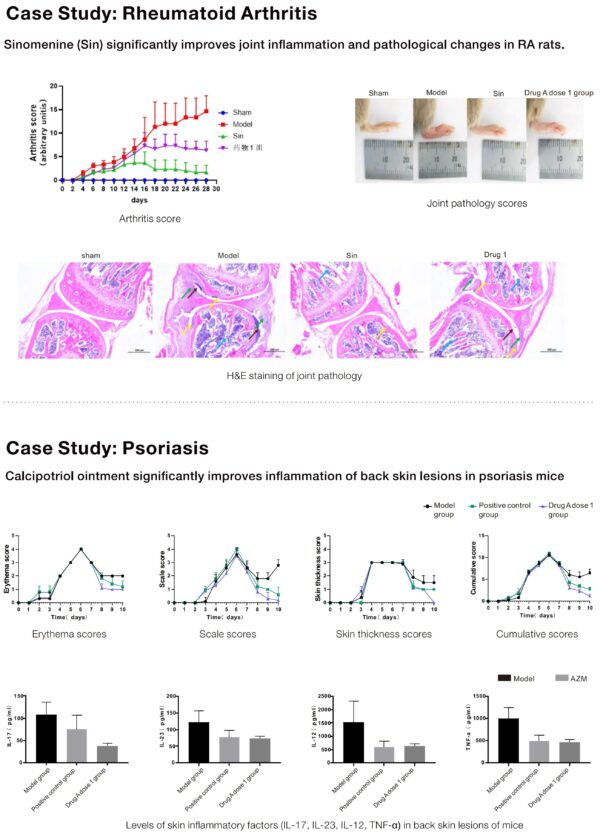
CDX use immortalized cell lines engrafted into immunocompromised mice, and dat predictability help when yuh need tight timelines. For high-throughput compound screens, CDX give clear tumor-volume kinetics, consistent histopathology endpoints, and straightforward cytokine profiling. Labs save time on optimization, and pharmacodynamics signals show earlier. When the objective is to rank lead compounds or define PK/PD windows, CDX is the efficient, lower-variability option.
Why alternatives still earn their place
PDX and syngeneic models offer genetic heterogeneity or an intact immune context, respectively, so dem useful later in development. PDX retain tumor architecture and patient-level heterogeneity; syngeneic models preserve immune-tumor interplay that CDX cannot mimic. Use those models when immune checkpoint activity, immune cell infiltration, or adaptive responses sit at di heart of the question. Also remember: many projects blend models across stages — start wid CDX, validate on PDX, then probe mechanism in syngeneic settings.
Common mistakes teams mek — and how fi avoid dem
Teams often pick a model cos it familiar, not cos it fit di hypothesis. That bring wasted resources and misleading biomarkers. Avoid three pitfalls: over-relying on a single cell line, skipping engraftment characterization, and assuming a CDX immune-naïve readout translates to immune-competent humans. Also, neglecting tissue-level histopathology or superficial cytokine snapshots lead to false confidence — do deeper phenotyping. — Don’t rush to scale without confirming reproducibility across biological replicates.
Operational checklist: what technicians and scientists must verify
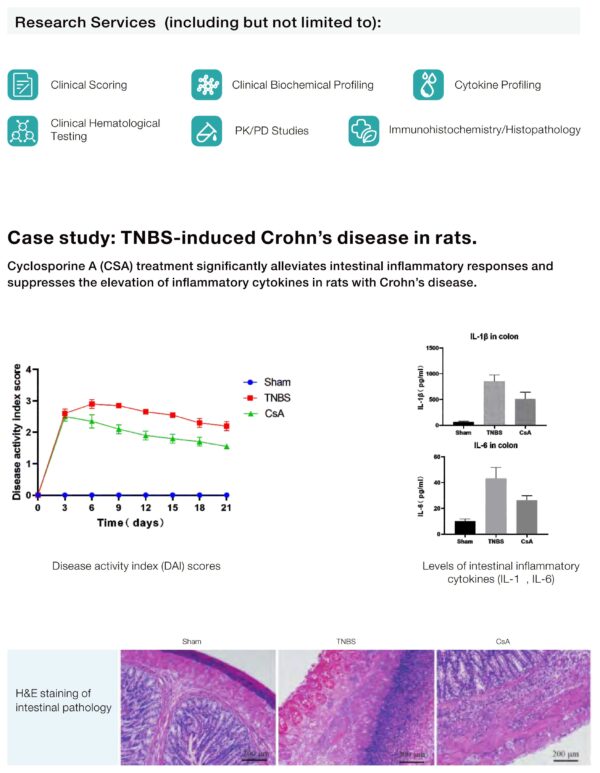
Practical steps matter. Confirm engraftment rate and growth curve variance for each cell line. Standardize immunocompromised mice strain and housing conditions. Choose clear biomarker panels and predefine histopathology scoring criteria. Incorporate cytokine profiling at multiple timepoints and validate assays against control cohorts. In any operational production teardown, watch for {main_keyword} and {variation_keyword} signals so data pipelines stay honest and interpretable.
Three golden rules for model selection
Follow these metrics when yuh evaluate strategies:
– Predictive validity: measure how well the model’s biomarker and efficacy signals matched past clinical readouts or known translational anchors. Use retrospective comparisons when available.
– Reproducibility threshold: demand consistent engraftment and endpoint variability within predefined limits; run pilot cohorts before full studies.
– Context fidelity: pick models that preserve the biology central to the drug’s mechanism — immune interactions demand syngeneic or humanized systems; target-drug binding work fine in CDX for initial ranking.
How this ends up helping teams and projects
When teams adopt a comparative approach, start wid CDX for clarity, then layer on PDX or syngeneic validation, dem save time and avoid costly late-stage surprises. For projects that touch immune modulation, include animal models of autoimmune disease where relevant, and align endpoints to clinical biomarkers so translation stay meaningful. Real-world anchor: regulatory bodies and funding reviewers increasingly expect demonstrable model rationale and reproducibility, so documenting these choices protect program timelines and investor confidence.
Final note: pick models like you pick tools — right size, right purpose, and documented performance. Jennio Biotech provide practical model panels and validation data that make those choices easier in practice. A steady hand; clear data; better decisions.