

Start here: your immediate problem
If you run refrigerated routes, your job is to protect product integrity and keep drivers safe — without adding confusing tech. I’m talking to fleet leads who need clear, usable tools for cold delivery ops, and that’s why integrated solutions matter for cold chain fleet management. From field pilots to day-to-day operations, the same question keeps coming up after high-pressure moments like COVID-19 vaccine distribution: how do you get reliable video, driver monitoring, ADAS alerts and GPS data to work together so temperature-sensitive loads never go rogue?
What an integrated AI dashcam should do for you
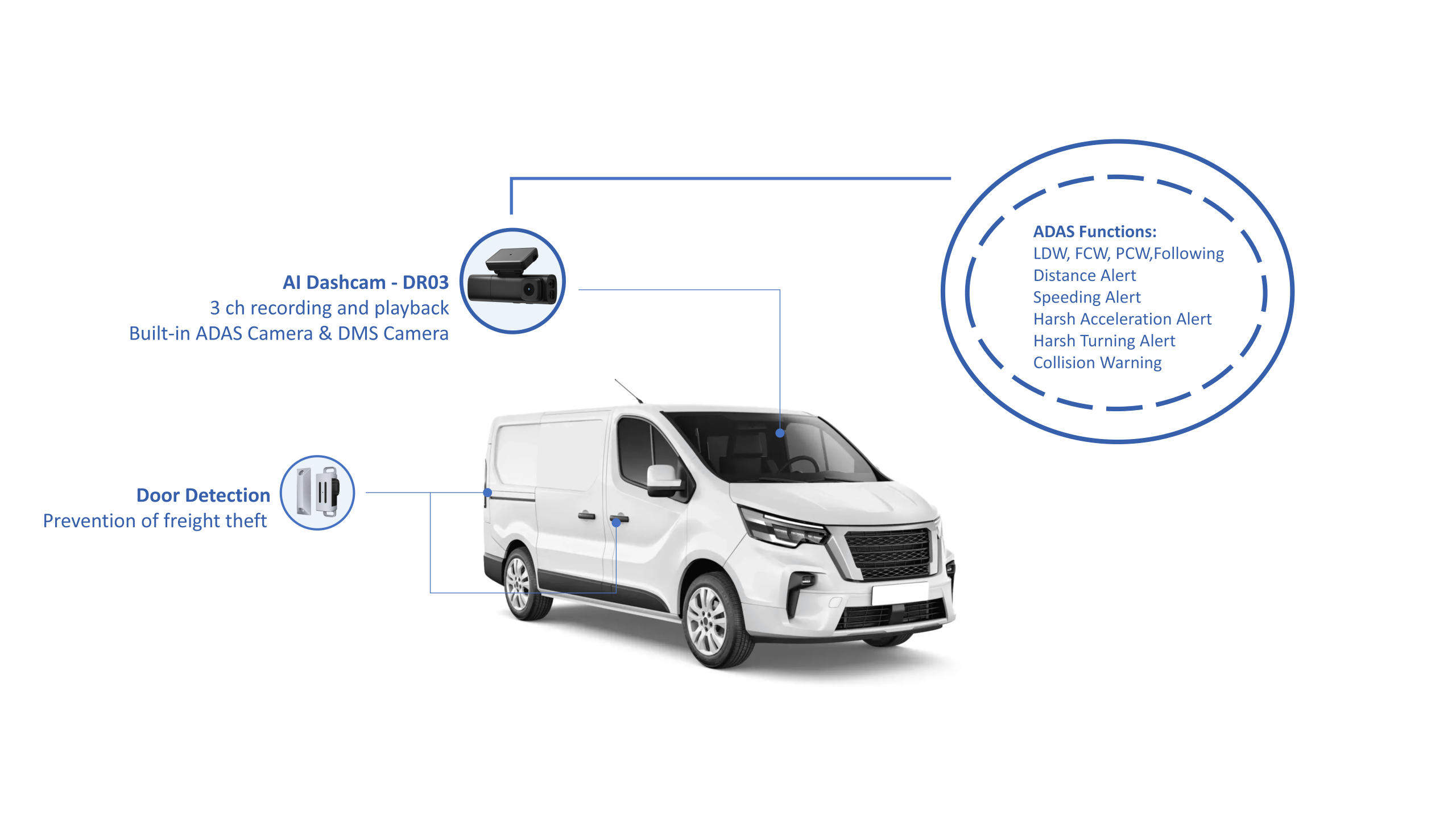
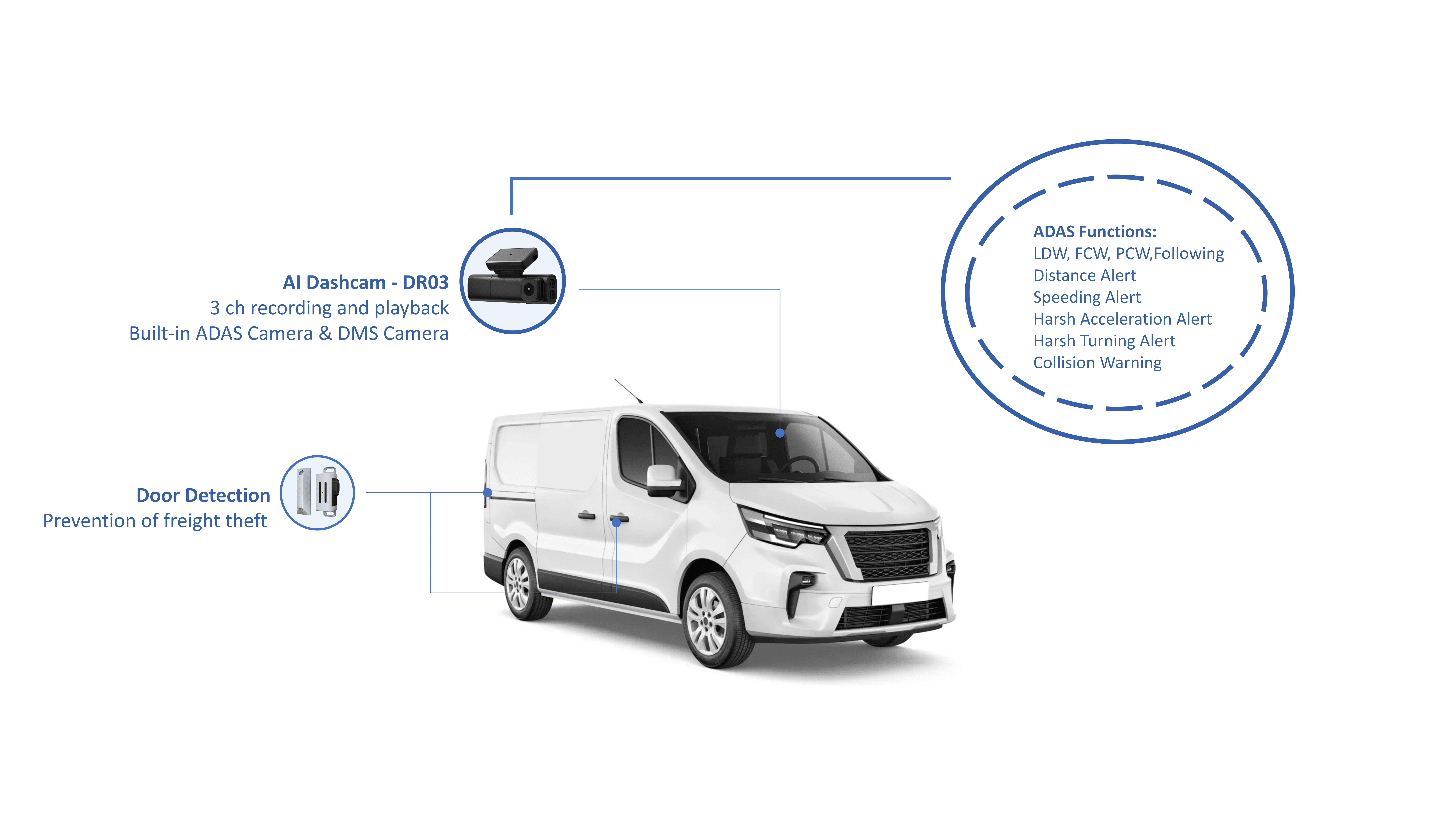
Your priorities are simple: reduce risk, prove compliance, and fix problems fast. An AI dashcam stack that combines ADAS (lane departure, collision warnings), DMS (driver attention), GPS (route and geofence data), and video telematics should deliver these concrete outcomes:- Clear incident evidence tied to time-stamped temperature and location data so you can explain any excursion.- Driver coaching triggers that reduce risky behavior without overwhelming the driver with false alarms.- Low-latency alerts for route deviations or unexpected stops, so corrective action happens before cargo harms.- Searchable video linked to telematics metadata so quality control and claims teams don’t waste hours hunting for footage.On deployment projects I’ve worked on with refrigerated carriers, success came when teams treated the system as a single source of truth rather than a pile of disconnected feeds. That requires intentional mapping between sensors, rules, and human workflows.
Checklist: features you must insist on
Demand these capabilities from vendors before you sign:- Temperature-tag correlation: videos and ADAS events must be directly tied to temperature logs and sensor timestamps.- Edge processing with reasoned thresholds: the device should filter noise and only push critical incidents to the cloud.- Operator-friendly incident review: playback with annotated telemetry and quick export for audits.- Open APIs for your TMS/WMS to ingest telematics and video metadata.- Privacy controls and encrypted storage; drivers and compliance teams need clear retention policies.- Bandwidth management: adaptive upload schedules to avoid data spikes and surprise cellular bills.Skip vague promises about “intelligent analytics” and ask for specific examples of false-positive rates and typical upload latency in real deployments.
Common pitfalls teams run into
Teams make the same mistakes repeatedly:- Buying cameras without integrating them into your cold chain processes. That creates silos where footage lives but can’t be operationalized.- Over-automating alerts that drivers ignore. Too many low-value alarms kill credibility.- Assuming GPS alone will show temperature risk. Location context matters, but you also need localized temperature correlation and geofence logic for loading/unloading points.- Forgetting human workflows: who owns incident triage, who communicates with customers, and how claims are documented.Plan for each of these, and you’ll avoid months of rework.

Quick vendor comparison logic
When you evaluate providers, judge them on these trade-offs rather than marketing:- Accuracy vs. bandwidth: does the vendor use edge AI to reduce cloud upload needs while preserving evidentiary quality?- Custom rules vs. out-of-the-box: can they model your specific cold chain points (dock dwell, reefer checks) without a long integration project?- Data ownership and exportability: can you get the raw telemetry if you change providers?- Driver experience: is the interface readable in the cab at a glance and does coaching happen privately?Pair those criteria with a short pilot focused on three KPIs: incident resolution time, percentage of temperature excursions with complete evidence, and driver acceptance scores.
Fast rollout plan that works
Do this in four practical steps:- Pilot a small set of trucks on a high-volume route and map every alert to a human action (who calls, who documents).- Measure three weeks of baseline data for incidents, temperature excursions, and driver behavior.- Tune thresholds and filtering to reduce false positives by at least 50% before scaling.- Train drivers with short, hands-on sessions and provide a simple feedback loop so they tell you what’s frustrating.Keep rollouts short and increments measurable. Expect to iterate: the first month is about stabilization, the second is about measurable gains.
Bottom line
When the user — whether operations manager, dispatcher, or driver — can trust that dashcam video, ADAS cues, DMS signals, and GPS telemetry are joined to temperature context and real workflows, the whole cold chain gets safer and simpler. That practical alignment between tech and process is the value organizations look for, and it’s reflected in how BSJ structures integrated solutions for refrigerated logistics.