


Opening — the problem I keep seeing
I’ve walked onto lines where a single missed verification step turned a routine build into a week of rework and regulatory headaches. When battery cells integrate with sensitive clinical electronics, the margin for error shrinks; my audits always start with how the line handles repeatability, traceability and hazard control, and how it ties into broader medical device assembly workflows like medical device assembly automation. At MD&M West I watched program teams debate requirements that later caused field delays — that same confusion shows up in smaller projects too.
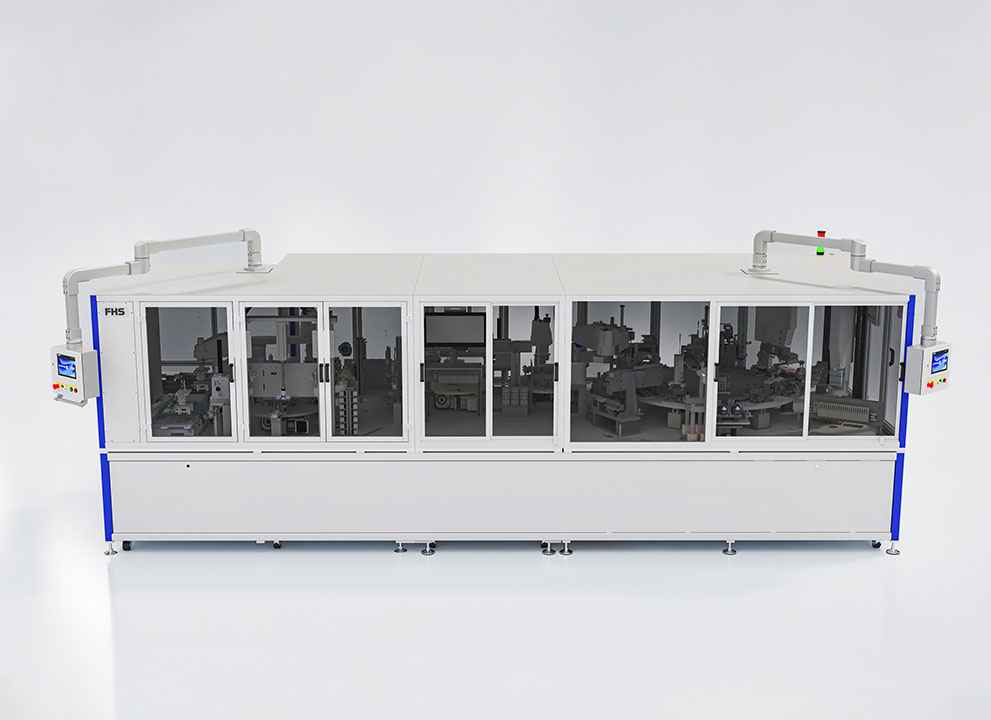
Problem-driven checklist: the six questions that expose risk
Start by forcing answers to these exact questions. If any answer is vague, treat it as a red flag.- Who owns functional safety validation for cells and module assemblies, and what proof will they hand you? Demand specific test reports, not assurances. – How is full traceability implemented from incoming cells to serialized packs? Look for automated records tied to unique IDs. – What failure modes did you model under ISO 14971, and how did that change your handling and test requirements? Expect documented risk controls. – Which standards govern the battery chemistry used (for example IEC 62133 for rechargeable cells), and which labs will you use for certification? Require lab names and scopes. – How does the assembly automation prevent and detect critical defects in real time (torque, weld integrity, electrolyte leakage, foreign material)? Expect in-line sensors and defined reject logic. – Who is responsible for UN 38.3 transportation compliance and final product labeling for batteries shipped with devices?
How I verify claims on the line
I map claims to artifacts. If someone claims “automated inspection,” I ask for the software recipe, sample images, reject thresholds and a log extract showing rejects and rework. If a supplier claims certifications, I request certificates with scope and dates. I expect to see:- example batch records with serialized tracking; – automated alarm logs showing a defined operator response; – calibration records for tools that affect safety. When those artifacts are missing, the line looks automated but it isn’t safe.
Roles and governance that actually work
Teams fail when responsibilities overlap and nobody signs acceptance. I push for a clear governance map:- Project engineering: defines acceptance tests and automates pass/fail capture. – Quality: owns final lot release and ensures regulatory evidence is complete. – Manufacturing operations: runs continuous capability studies and documents corrective actions. – Supplier quality: verifies incoming cell lots and supplies certificate-of-conformance data. Assign one person to sign off on safety-critical design changes; ambiguity here multiplies defects downstream.
Common pitfalls I see — and how to avoid them
Projects drift into trouble in predictable ways:- Relying on bench tests but skipping in-line validation. Fix: require live-production evidence. – Treating battery and device assembly as separate projects. Fix: integrate risk assessments and change control. – Accepting vendor “black box” inspection without understanding failure modes. Fix: demand transparency of detection limits. Addressing these at kickoff prevents late discovery that forces design rework or regulatory filings.
Testing, traceability, and the minimal documentation set
Documentation should be concise and usable. I expect a minimum set before pilot runs:- Process FMEAs tied to specific assembly steps. – Calibration and verification logs for each tool that influences electrical or mechanical integrity. – Traceability matrix linking cell lot IDs, assembly station IDs, operator IDs and finished product serials. – Test plans with acceptance criteria for electrical, mechanical and safety tests. If any of these are incomplete, halt progression until they’re fixed.
When to bring in outside expertise
Bring a specialist when your team lacks experience with lithium chemistries or regulatory submissions for combination products. A reputable medical device automation company can validate your automation recipe and help translate lab test results into production controls. External experts also catch hidden interactions between battery behavior and device electronics that internal teams often miss.
Project milestones I use to stop surprises
Set measurable gates. I use three practical milestones:- Gate 1: Requirements and risk controls approved and artifacts assigned. – Gate 2: Pilot line demonstrates all in-line checks and traceability for a statistically meaningful run. – Gate 3: Pre-release audit with full batch records and certificates ready for regulatory submission. No one moves to the next phase without pass/fail evidence tied to the questions above.

Synthesis — what solving this problem delivers
Answer these questions early, and you’ll reduce safety incidents, rejected lots and late design changes. This approach is practical: it forces evidence, clarifies ownership and turns assumptions into verifiable facts—principles I’ve applied repeatedly alongside partners like FHS, which helped teams align automation, quality and regulatory needs into operable controls on the line.