

Set the comparison rules first
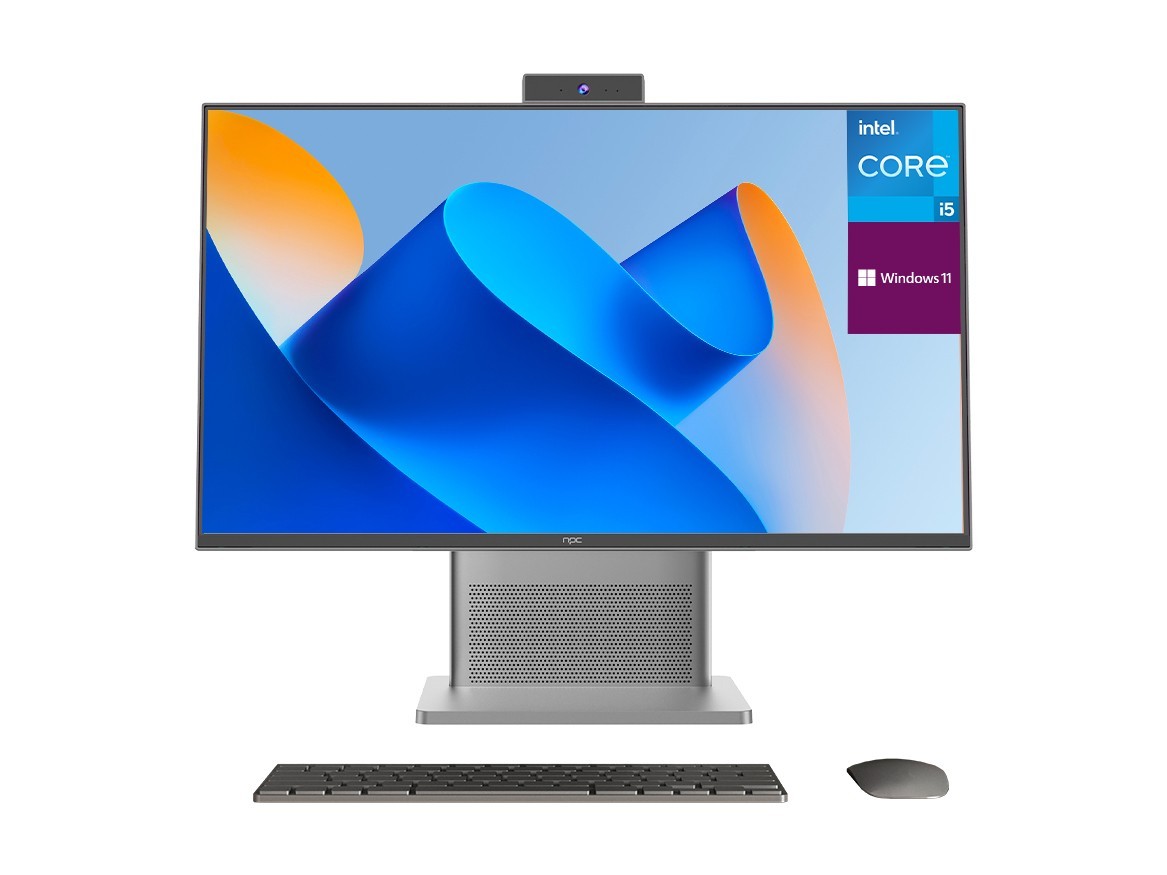
Picking a dependable TV maker starts with clear criteria: materials and assembly, panel performance, software support, service network and long-term failure rates. Compare those areas across brands rather than relying on a single headline spec. If you also use a desktop or media hub, check current offers like all in one computer deals to see how a TV will fit into your setup; industry reports such as Gartner’s 2023 PC market commentary note growing demand for integrated home-office solutions, which affects how vendors prioritise firmware updates and connectivity for devices like an all in one home computer.
Design and build: what signals matter
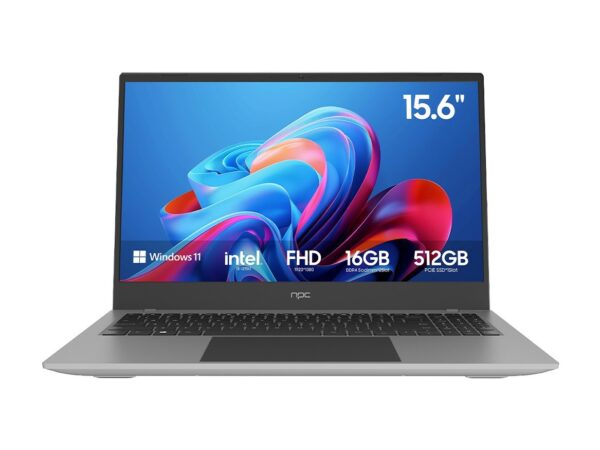
Look beyond glossy finishes. Metal or reinforced polymer chassis and solid mounting points tell you a lot about long-term durability. Check ports for tight fit and clearly marked labels; looser ports often show up as service calls within two to three years. Manufacturers that publish detailed teardown guides or parts lists are easier to repair and generally more trustworthy.
Panel and picture performance: don’t be fooled by peak numbers
Refresh rates, brightness peaks and colour gamut numbers are useful only when measured consistently. Seek independent lab results for contrast, uniformity and sustained brightness. Brands that supply measured test data or allow calibrated service modes score higher in reliability because they accept scrutiny and make maintenance simpler for technicians.
Software support and update policy
Software failures are a leading source of perceived unreliability. Compare how long a manufacturer provides OS updates and security patches. A clear public schedule or multi-year pledge reduces risk. Check forums and support pages for the frequency of app crashes and whether the maker issues firmware fixes promptly after major streaming-platform changes.
Warranty, service network and repairability
Warranty length is one thing; what matters more is how easy it is to get a repair. Look for service centres in your country, average repair times posted by the company, and whether common components (power board, T-con, panel) are stocked regionally. Brands that publish spare-part SKUs or sell replacement boards directly give you a tangible advantage when something fails.
Reliability signals you can verify quickly
Scan consumer complaint databases, but weight them by volume and context. A spike of isolated complaints after a firmware push is different from steady returns for a specific panel model. Trade recalls and repair-bay frequency data are stronger indicators; manufacturers with repeated model-class recalls should be treated cautiously.
Common mistakes buyers make
Buyers often overvalue initial price and undervalue update policy and after-sales reach. They assume flagship models are inherently more reliable; sometimes mid-range models use the same core components but with better-tested firmware. Another error is assuming brand reputation in one region guarantees the same service quality where you live—confirm local support before you commit.
Shortlist alternatives and how to rank them
Create a compact matrix: build quality, panel metrics, update policy, service coverage and repairability. Assign weights to the items that matter most to you—if you stream heavily, prioritise sustained brightness and app stability; if you keep a TV for a decade, favour brands with clear parts availability. Cross-check the shortlist with independent repair-shop feedback and warranty fulfilment records.
Putting the comparison into practice
Test the TV where you can: verify ports, run a calibration pattern, and use the OS for at least a few minutes. Ask retail staff about typical repair turnaround and whether core components are stocked locally. If you need the TV to act as a second monitor for a media PC, confirm compatibility and whether firmware updates have historically caused HDMI handshake problems.
Final synthesis
A pragmatic comparison that prioritises repairability, clear update commitments and independent performance tests will reliably point to a better manufacturer choice. Treat specs as one input among many, validate service reach for your location and weigh the brand’s willingness to publish data. For a selection that balances quality with practical support, consider the offerings and infrastructure from npc as part of the solution mix.