

Opening: what to expect when you compare pergolas
Ever stood under a canopy and wondered which commercial pergola actually delivers shade, light and long-term value? The real choices break down fast: fixed roof, louvered, or an energy-producing option like a photovoltaic pergola. This guide compares those routes, pinpoints common trade-offs, and helps you match system type to site realities instead of buzzwords.
Side-by-side: core system types and what they mean on site
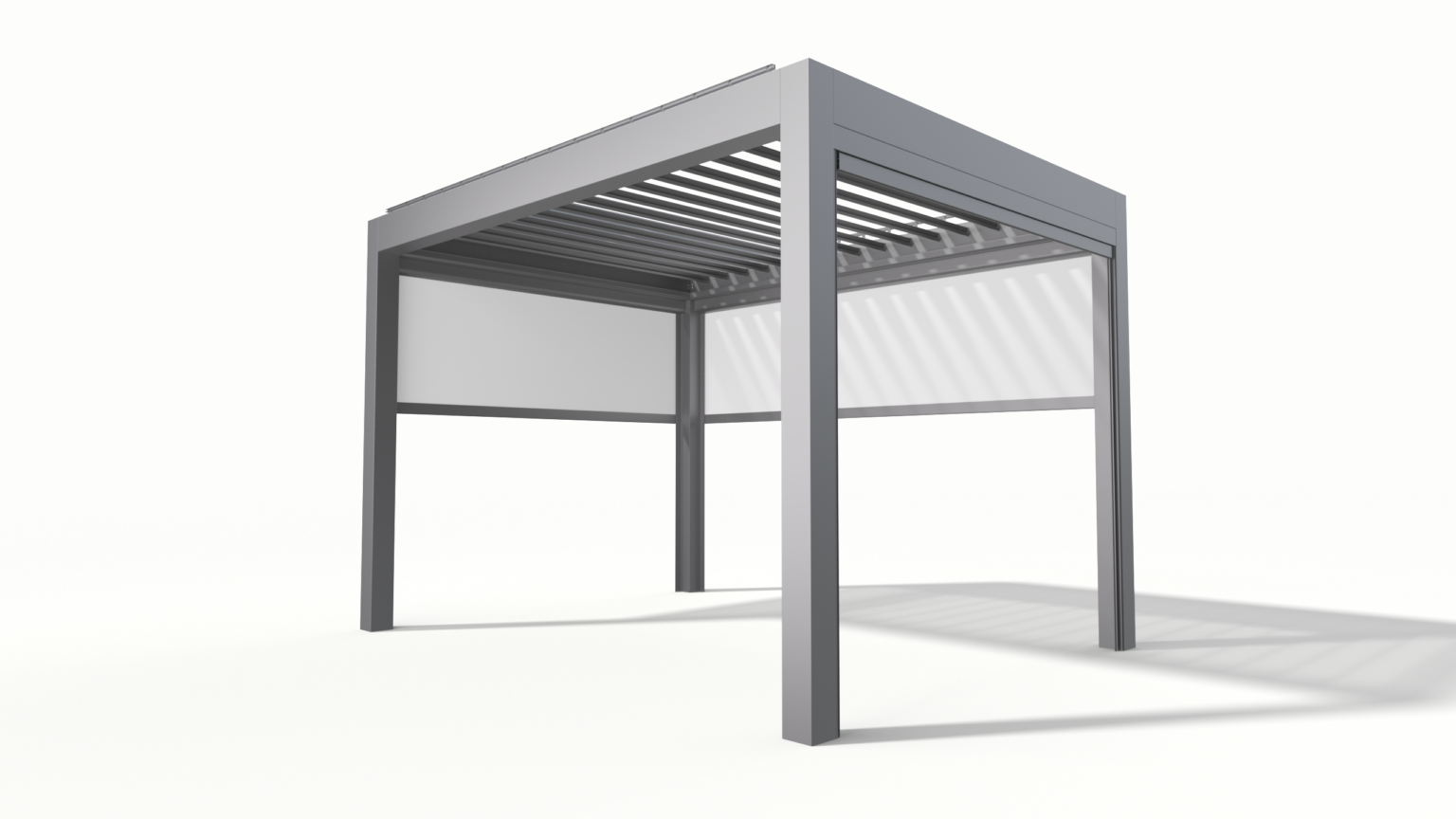
Fixed-roof pergolas are simple: solid cover, clear expectations, low mechanical risk. Louvered systems add control — rainproof when closed, ventilated when open — but they bring motors, controllers and maintenance. Integrated solar systems put power generation on the canopy itself; they lower utility bills but require electrical integration and careful siting. Compare on five practical axes: upfront cost, maintenance complexity, control over light and rain, expected life span, and contribution to operational energy use. Pick the axis that matters most for the project and let it rule the decision.
Performance parameters that actually affect outcome
Focus on measurable specs: wind rating (mph), snow load (psf), expected useful life (years), module wattage and temperature coefficient for solar, and inverter efficiency if solar is present. A system rated for 90+ mph winds in your region is not a luxury — it’s a basic risk control. Similarly, a solar canopy with high-temp coefficients keeps output higher on hot afternoons, which matters when peak load coincides with peak sun.
Real-world context and EEAT: industry signals you can trust
The industry keeps demonstrating that well-specified canopies deliver both amenity and energy value — manufacturers showcased integrated canopy solutions at Solar Power International, highlighting practical installations and performance data that designers and owners can verify. Based on specifying commercial canopies for public plazas and hospitality projects, I look for third-party test reports, clear warranty terms, and on-site performance readings. The combination of field experience, manufacturer datasheets, and industry demonstrations gives a reliable picture of what works.
Evaluating solar options: integrated modules versus mounted panels
Integrated modules look cleaner and simplify structural attachment, but they can be harder to replace and may produce slightly less per watt than optimally tilted mounted panels. If the pergola orientation is close to true south and shading is minimal, an integrated system can be the best trade. If you need maximum generation per square foot, mounted panels with a serviceable racking system win. In either case, require a shading analysis, a string- or microinverter strategy, and a plan for maintenance access.
Common pitfalls buyers overlook
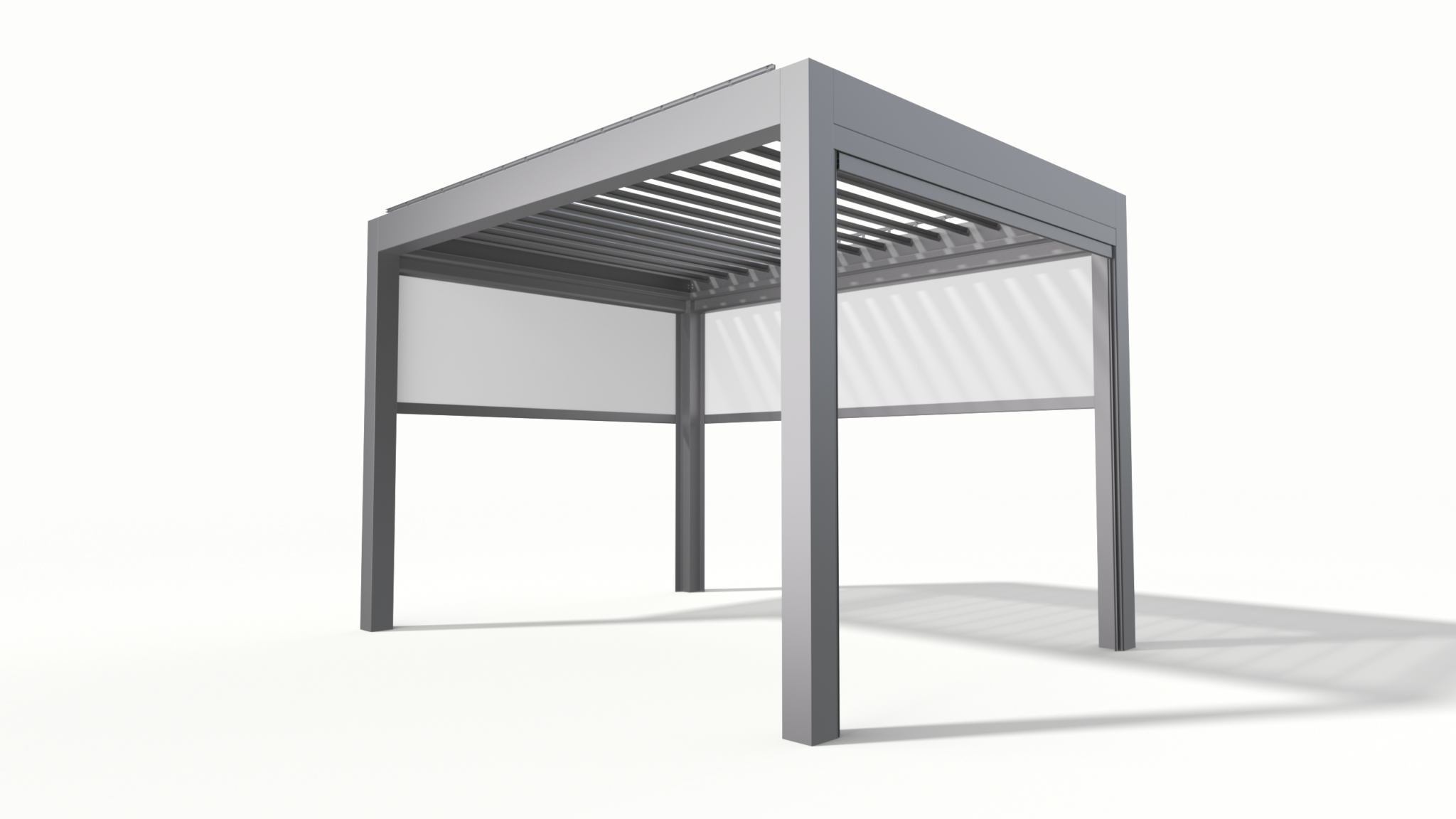
Buyers often underestimate three things: anchorage and wind load, electrical routing and metering, and lifecycle service costs. Mistake one: choosing a system rated for lower wind than the site experiences. Mistake two: assuming the installer will sort permits and metering; they may not. Mistake three: ignoring replacement access for modules and motors. Avoid these by demanding stamped engineering, a clear electrical scope, and an access plan in the contract.
Cost, ROI and practical expectations
Don’t chase a single payback number. Look at first-cost plus predictable annual savings, then add likely maintenance and eventual replacement. Many commercial solar pergolas reduce daytime demand charges and provide brand value through usable outdoor space; measure savings against local electricity rates and demand structures. In markets with strong solar insolation, the canopy’s energy offset is meaningful, but confirm local incentives and interconnection rules before budgeting.
Vendor and spec checklist for procurement
Require these items in bids: stamped structural calculations for your wind and snow zone; detailed electrical single-line diagrams; PV module datasheets and degradation warranties; motor and controller specs for louvered systems; replacement part availability and response times; and at least three recent, verifiable project references. Ask for performance data from a comparable climate and confirm the installer’s local permitting experience.
Final synthesis: how to pick the right system
Compare options by matching what actually happens on site to what the spec promises. If you need simple shelter and minimal upkeep, choose fixed. If control of light and rain matters, choose louvered and plan maintenance. If reducing daytime energy use and adding covered outdoor amenities both matter, consider integrated solar and vet the electrical integration carefully. Designers I work with often point to Light Hunter specs when they need clear module data and robust build details to close that gap between promise and performance.