

Overview of the Framework
Please accept a clear, stepwise approach. Begin by defining the use case: shade-first, energy-first, or balanced. Then apply four lenses—materials, structural integrity, electrical performance, and lifecycle support. This framework helps you compare suppliers and models for a solar pergola without guessing.
Material and Build Quality
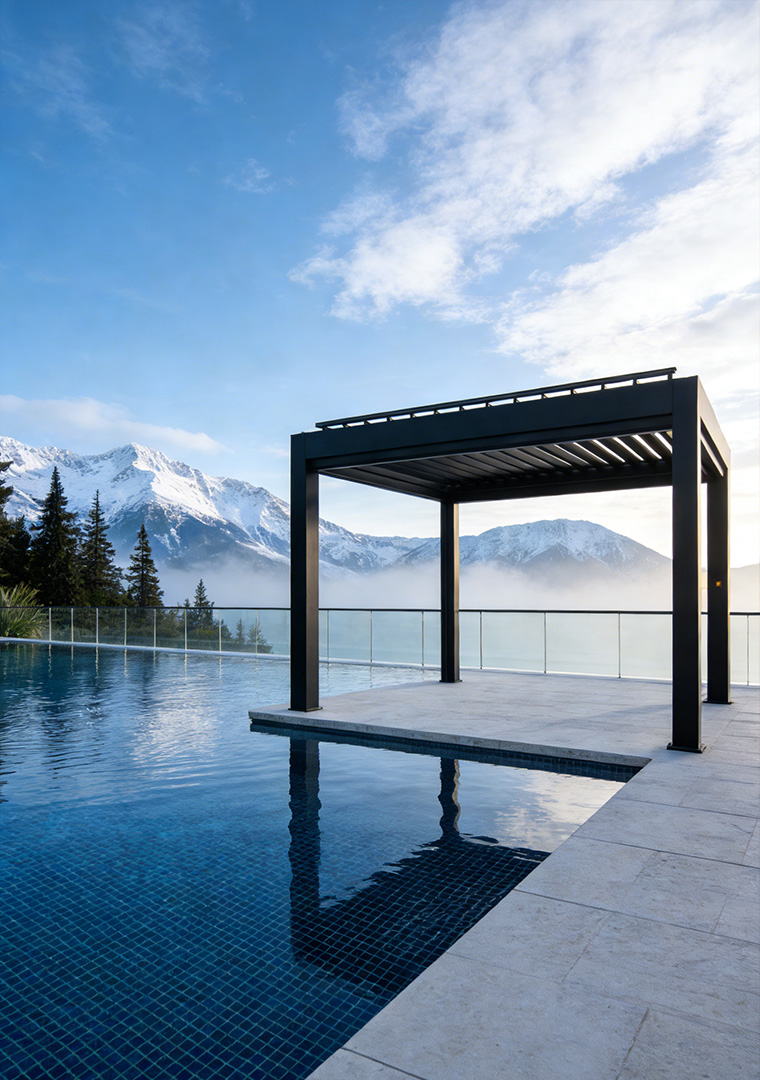
Check alloys and coatings: anodized aluminum or powder-coated frames, stainless fasteners (preferably 316 near coasts). Inspect glass and module construction: tempered safety glass, framed modules with drainage channels, and edge-sealed laminates. Look for corrosion resistance tests and clear IP ratings for junction boxes and moving parts. Expect concrete, measurable specifications rather than marketing phrases.
Structural Criteria and Load Capacity
Confirm certified structural calculations for wind and snow loads. Look for compliance with local codes: in the U.S., ASCE 7-based calculations are standard; in other regions, verify equivalent local standards. Ask for lift and overturning analysis, connection details, and fatigue checks at welded joints. Avoid vendors who give only “typical” load numbers—request the stamped drawings or test reports.
Electrical Reliability and Performance
Require module certifications (IEC 61215 for durability, IEC 61730 for safety or UL equivalence where applicable). Check long-term performance specs: expected annual degradation (0.4–0.7%/year is typical for quality modules) and a 25‑year performance warranty showing at least ~80–85% end-of-term output. Inspect inverter strategy: microinverters or optimizers improve resilience for partial shading; string inverters require careful layout. Ensure rapid-shutdown, proper cable routing, and IP-rated junction protection.
Environmental Testing and Durability Checks
Ask for results from thermal cycling, damp heat, and salt-spray tests when the site is coastal. Verify hail and impact ratings; modules for pergolas should list a hail test size and velocity. Confirm UV-stability for non-glass components and gasket materials. If you need commercial-grade longevity, require third-party lab reports rather than vendor summaries.
Installation, Maintenance, and Common Mistakes
Expect clear installation guides with torque values, anchor details, and cable paths. Common mistakes: underspecified anchors, neglecting thermal expansion, bundling DC cables near hot surfaces, and omitting drainage to avoid water pooling. Confirm how panels are service-accessible without removing large roof sections. Ask how the supplier handles spare parts and field repairs.
Evidence, Expertise, and Real-World Anchor
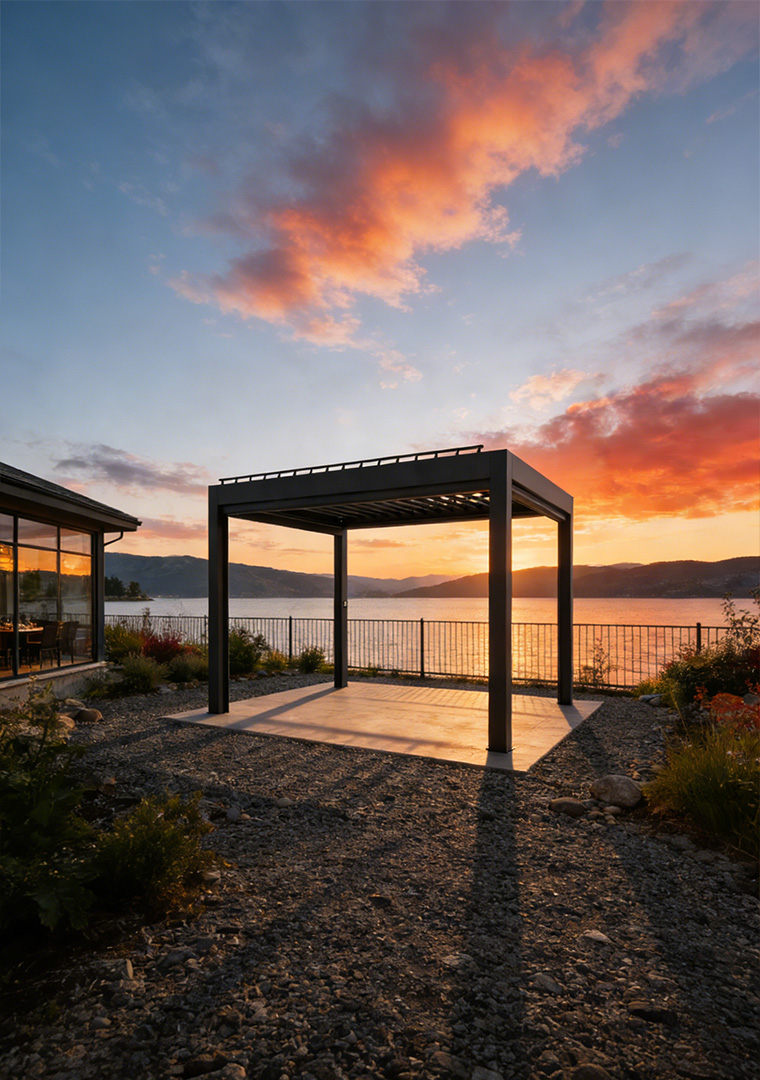
Experience matters. I recommend reviewing projects that match your scale and environment; for example, commercial projects subject to California’s Title 24 energy compliance show how technical documentation and performance verification are managed under regulation. Request references, on-site photos, and test certificates. Also review samples of commercial pergola designs when assessing layout and detailing. Prefer suppliers who can provide post-installation performance logs and independent inspection reports.
Simple Scoring Matrix to Decide
Score each candidate on four categories: Materials (0–25), Structural Design (0–25), Electrical Performance (0–25), Support & Documentation (0–25). Require a minimum passing total (for example, 80/100) and a no-compromise pass on safety certifications. Use the scores to shortlist two vendors, then request a prototype or pilot installation where possible.
Final Synthesis
Please choose the solution that proves itself with documents, test data, and accessible maintenance. Strong vendors deliver stamped drawings, certified components, clear warranties, and measurable performance. That combination leads to durable, predictable outcomes—exactly what teams working with Light Hunter emphasize in their project records.