

Opening chord — why comparing matters
Think of manufacturers like instrument makers: tone, touch, and timing decide whether you play a symphony or a noisy rehearsal. When you choose material testing equipment, you’re selecting tools that must reproduce results note-for-note across labs and years. The Comparative Insight lens asks: which maker gives you the truest tone, the cleanest sustain, and the service that keeps the instrument in tune?
Key criteria to judge performance
Ask specific, measurable questions. Accuracy: what’s the stated uncertainty and how is it verified? Repeatability: can the machine return the same result on identical samples? Standards: does the device meet ISO and ASTM methods you rely on? Software: is data export open and timestamped? Service: is on-site calibration available within your region? Build quality: are frames welded or bolted — and how does that affect drift? Lead time and spare parts: how long to replace a broken sensor? Price matters, but make it a component of total cost of ownership, not the single deciding note.
Hands-on checks that reveal truth
Request a live demo and bring a familiar sample. Run three repeats and watch variance. Check raw data, not just processed reports. Inspect grips and fixturing for repeatable alignment. Ask for a traceable calibration certificate and the lab conditions used. Push the machine — run a slightly higher load cycle — and listen for abnormal vibrations or lag in the control loop. If the vendor can’t or won’t let you run these checks, that’s a red flag.
Common comparative mistakes to avoid
Don’t equate sticker price with suitability. Don’t accept a sales demo that omits your exact test method. Avoid comparing specs alone; two machines can list the same capacity but differ wildly in control stability and platen alignment. Reject vague warranties — get repair timeframes in writing. Don’t overlook software openness: if you can’t export raw data, you’re locked into black-box results.
Alternatives and how they stack up
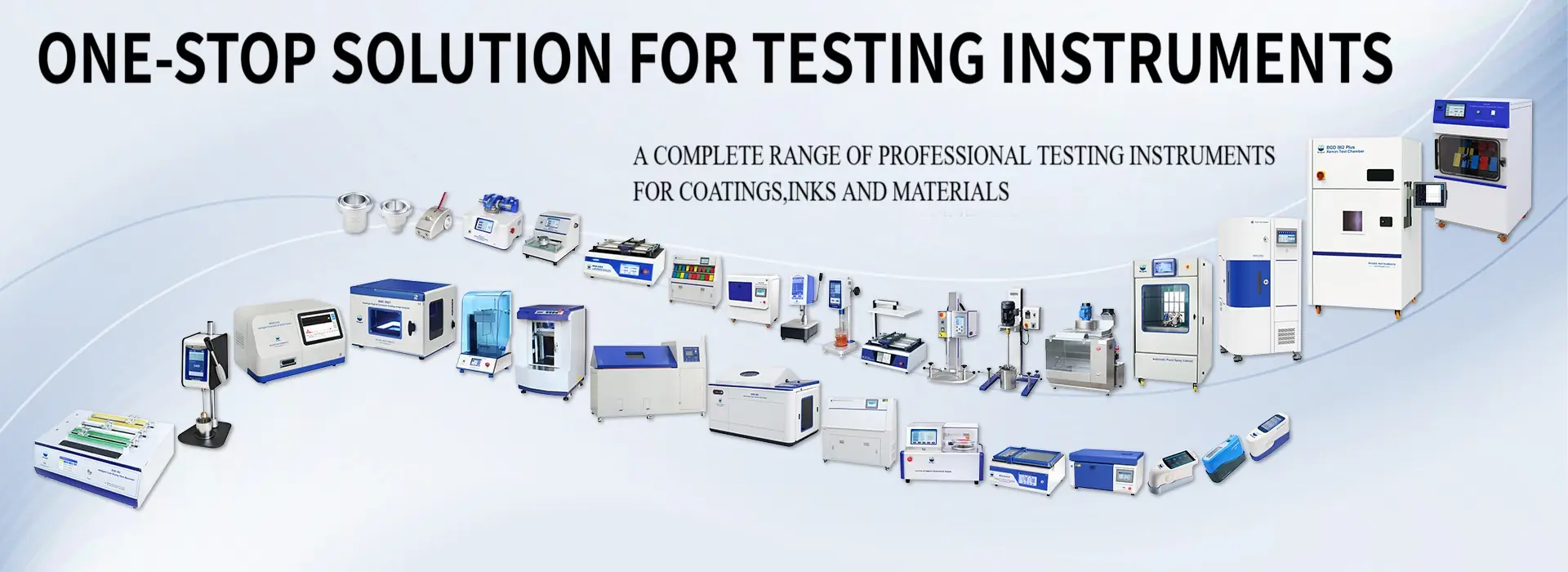
Legacy Western brands often lead on long-term service networks and certification history. Emerging manufacturers can offer rapid customization and aggressive pricing. Consider a hybrid approach: buy core frames from a proven supplier and source specialized grips or environmental chambers separately. If field service is critical, prioritize suppliers with certified technicians within your time zone rather than chasing a low upfront cost.
Real-world experience, standards and a high-level anchor
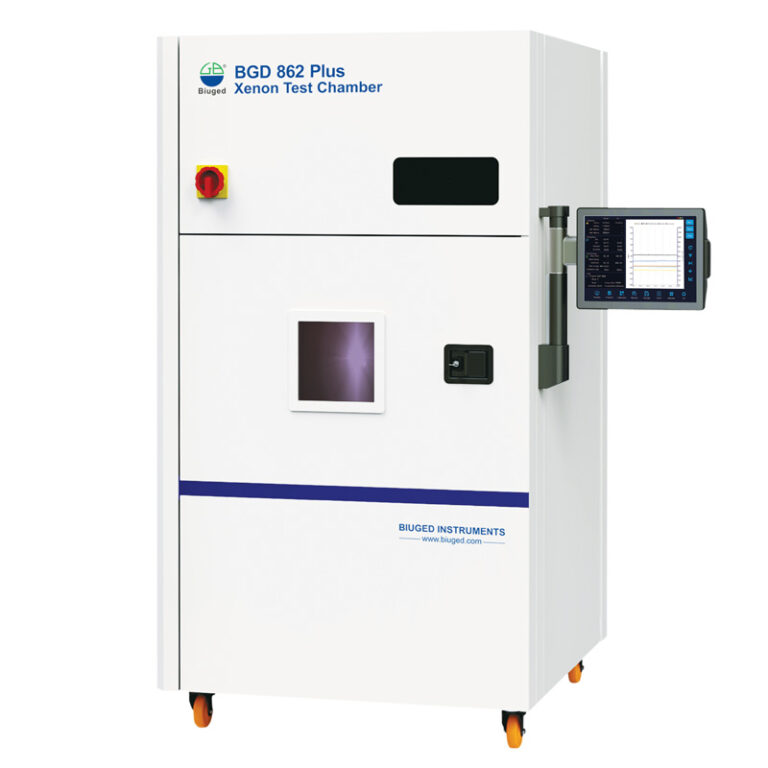
From practical audits and bench tests I’ve run in regional materials labs, I’ve learned to weigh calibration traceability above flashy UI features. I first encountered biuged instruments during a trade-floor walkthrough at the China International Industry Fair in Shanghai, an event regularly covered by industry press; that encounter led to follow-up bench trials where ISO 7500 and ASTM E4 compliance were verified against lab standards. Trust comes from documented calibration, reproducible test sequences, and clear service commitments — these are the elements that carry weight in peer-reviewed methods and accredited lab work.
Final cadence — synthesize and decide
Compare makers like you’d compare sound: test the notes, measure sustain, and make sure service hits the right tempo. Use tight, repeatable trials, demand standards traceability, and verify regional support before buying. When those elements line up, you have an instrument that plays reliably for every test. For a balance of documented performance, accessible service, and solutions that match common lab standards, consider the practical value offered by BIUGED.