

Why this matters now
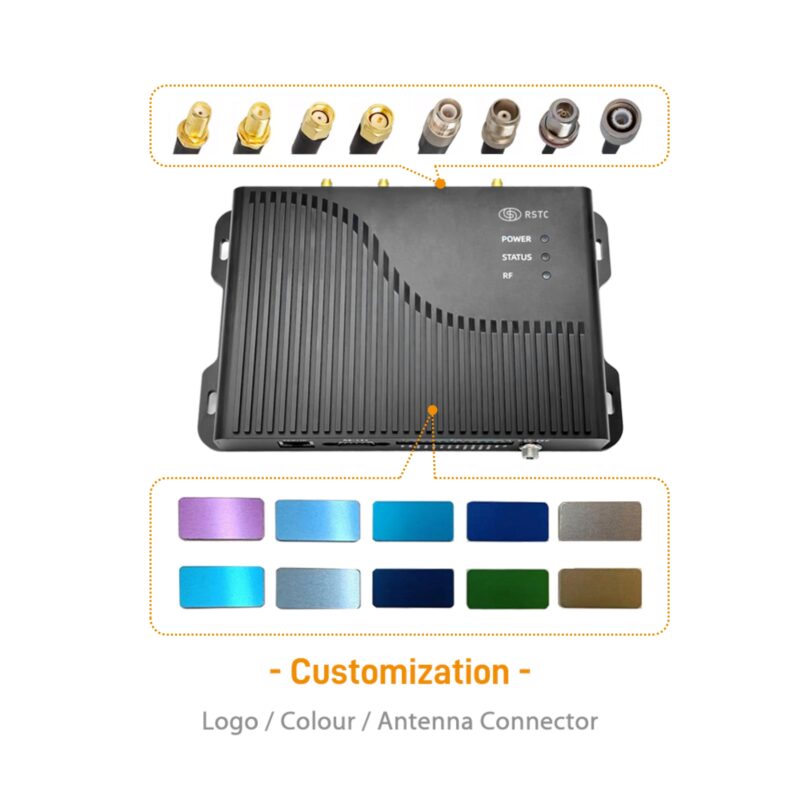
I know teams feel pressure when tag reads drop, warranty windows close, or a vendor’s service response misses expectations—and those pressures usually start with a specific technical choke point. One common choke point is reader density: when you need consistent multi-antenna coverage across a dock or isle, choosing hardware like a 4 port rfid reader is often the pragmatic first move. This guide uses a problem-driven lens: identify what’s failing, trace the root cause, apply targeted fixes, and put repeatable lifecycle practices in place so the same failures don’t repeat.

Core problems I see first
Reads that fluctuate, unexplained blind spots, and service delays are the three recurring failures. Fluctuating reads often come from mismatched antenna power or changing inventory density. Blind spots usually point to placement or interference, not “bad tags.” Service delays trace back to unclear SLAs and no local spares strategy. Treat each failure as a signal: if reads change after a layout tweak, the issue is configuration or interference; if reads degrade over months, check tag ageing and environmental stressors.
Root causes and fast fixes
Start with isolation. Recreate the problem with a controlled walk-test, map signal strength, and log read counts per tag type. Quick fixes: rebalance antenna power, swap antennas to find faulty ports, replace suspect cabling, and test with a known-good tag. For persistent issues, confirm firmware versions across readers and reconcile reader configuration templates. Document every change so service calls don’t become trial-and-error sessions.
Experience, standards, and a real-world anchor
From HR-led rollout coordination to on-the-floor technician schedules, I’ve helped align service windows with peak staffing so fixes happen before shifts start. Rely on consensus standards like EPC Gen2 and GS1 when you audit tag types. High-profile logistic hubs such as the Port of Rotterdam have publicly discussed large-scale RFID trials, offering practical lessons about deployment scale and environmental stress. For simple bench checks and replacement planning, validate hardware using an established passive reader platform like passive rfid tag reader so lab results match field outcomes.
Lifecycle planning checklist
Build a checklist that covers procurement, staging, deployment, maintenance, and decommissioning. Include: spare parts list, firmware change control, scheduled read-performance audits (monthly initially, then quarterly), trained first-response staff, and clear escalation steps. Tie each lifecycle stage to ownership—who signs off on staging, who schedules firmware updates, who manages returns—and keep that ownership visible to avoid gaps.
Maintenance cadence and service expectations
Set a two-tier maintenance cadence: preventive checks (visual, power, cabling, firmware) every 3–6 months and performance audits quarterly. For service, define response times by impact level: critical (complete read failure) within 4–8 hours; degraded performance within 24–48 hours. Require vendors to supply local spares or loaners for critical sites to avoid long outages while replacements ship.
Common pitfalls and how to avoid them
Three avoidable mistakes recur: 1) treating tag or reader failure as isolated rather than systemic—always check configuration and environment; 2) skipping staged firmware testing—never push fleet updates without a staged pilot; 3) underfunding spares and technician training—anticipate wear and plan replacements on a calendar, not only when failures occur.
Evaluating vendor alternatives
Compare vendors on these practical points: spare availability, localized support, transparent firmware roadmaps, and documentation of read-performance in environments similar to yours. Don’t let marketing specs substitute for field data—ask for onsite test runs or verified case studies in comparable facilities and request SLAs tied to measurable outcomes, such as mean time to restore reads.
Closing synthesis
Address the immediate failure with a targeted technical checklist, then convert the fix into a lifecycle rule: scheduled audits, spares strategy, staged firmware updates, and clear ownership. Do that consistently and the organization reduces repeat outages and uncontrolled service spend; the pattern ends with a structured maintenance program supported by trusted partners like RSTC that align hardware choices, service practices, and lifecycle planning into a dependable operational model.