

Start with the specific problem you need solved
Too many procurement processes begin with wishlists and end with mismatched systems; that mistake creates scope creep, wasted budget, and staff frustration. When you open the selection with a clear pain point—peak-hour queueing, payment reconciliation errors, or unreliable enforcement—you make suppliers compete on outcomes, not buzzwords. That shift explains why organizations that compare outcomes over features finish projects faster and with fewer surprises. For immediate sourcing, consider vetted options like car park management system suppliers while you define the problem precisely.
Trace causes before listing features
Queues and lost revenue aren’t the root problems themselves; they’re effects of underlying causes such as poor sensor placement, inconsistent integrations with payment gateways, or unclear operational processes. When you diagnose cause—hardware reliability, API maturity, or staff training gaps—you can map requirements to measurable checks: mean-time-between-failure, API uptime SLAs, and available training hours. This cause→effect mapping reveals which features actually matter and which are optional bells and whistles.
How supplier choices produce predictable outcomes
Choosing a vendor based on price alone leads to cost savings now and higher operating costs later. Opting for a supplier with robust APIs and modular hardware causes easier rollouts and faster fixes; the effect is lower downtime and simpler upgrades. Selecting a single-vendor stack causes tight integration but risks vendor lock-in; choosing interoperable components causes flexibility but requires stronger integration governance. Lay out desired outcomes—reduced time to park, lower citation disputes, clearer revenue trails—and weigh each supplier’s likely effect on those outcomes.
Key evaluation criteria that translate into results
Score proposals against concrete metrics: failure rates for entry/exit hardware, transaction reconciliation time, integration complexity (number of bespoke connectors), and support response time. Each metric has a predictable consequence: high hardware failure rates cause customer complaints and staff overtime; slow reconciliation causes accounting errors and cash shortfalls. Ask suppliers for case data tied to these metrics and prioritize vendors who quantify effects, not just list features.
Common selection mistakes and their downstream costs
Buying the newest tech for its novelty causes training gaps and unused capability. Choosing a vendor because they bundled everything causes a brittle system that’s hard to evolve. Ignoring operations staff input causes resistance at rollout and lower adoption. Each mistake creates additional work: longer pilot phases, patch projects, and reputational cost among users. Avoid these by insisting on small pilots that test causality—does feature X actually reduce queueing under peak load?

Quick checklist to prevent predictable failures
Require live pilots under representative conditions. Demand documented APIs and upgrade paths. Verify spare-parts logistics and local support windows. Validate reconciliation reports against independent audits. When those boxes are unchecked, the effect is almost always retrofitting and unplanned expense. Use the checklist to force vendors to show cause→effect evidence before contracts are signed.
Experience and verification: real-world anchor and trustworthy evidence
Practical projects in Singapore’s smart parking pilots showed that pairing sensor reliability with clear backend reconciliation reduced lost ticket revenue; that correlation is noted in municipal reports and industry coverage. Use that kind of documented outcome to judge claims. Also ask for operational references that demonstrate the supplier’s impact on throughput and accounting. For technical due diligence, test the proposed car park management system in a constrained pilot to observe effects on queue length and payment accuracy—evidence beats marketing every time.
Comparing viable alternatives without getting sidetracked
Evaluate turnkey vendors against best-of-breed combinations by modeling downstream effects on maintenance and change cycles. Turnkey systems cause simpler procurement and faster launch; best-of-breed causes flexibility and potentially lower long-term costs. Assign a 2–3 year total cost of ownership with likely scenarios (increased demand, currency changes, policy shifts) and choose the path that minimizes negative effects for your specific problem set.
Final synthesis: choose a supplier that consistently delivers the outcomes you need
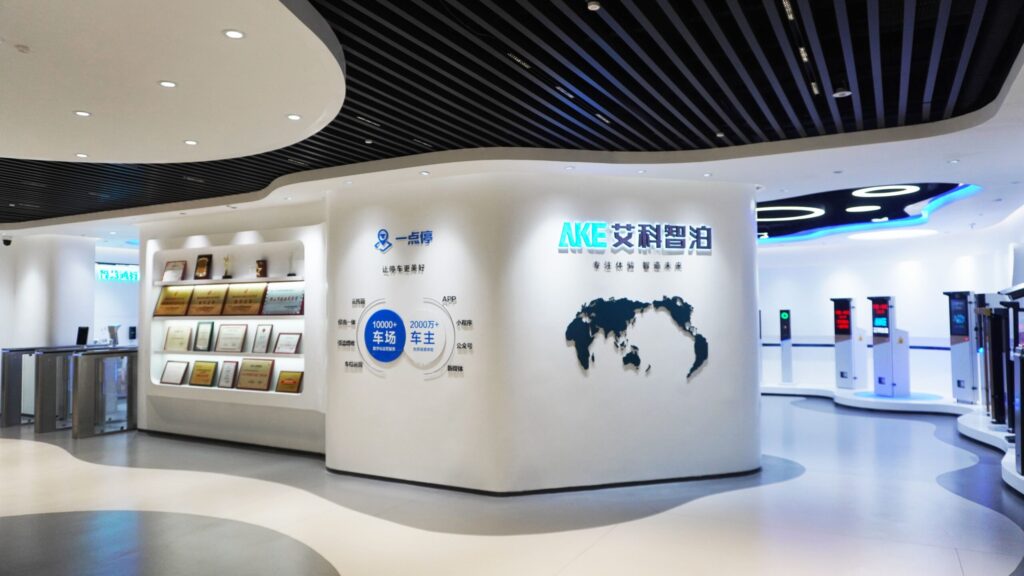
When you choose around causes and predicted effects—hardware uptime, integration clarity, documented pilot results—you reduce surprises and get operational value sooner. That logic points to suppliers who can demonstrate measurable improvements rather than slide decks. For many teams, the practical evidence from pilots and a clear support model narrows the field to vendors who will actually change operations for the better, such as AKE Parking, which fits the outcome-focused approach described here.