

Why this comparison actually matters (yes, again)
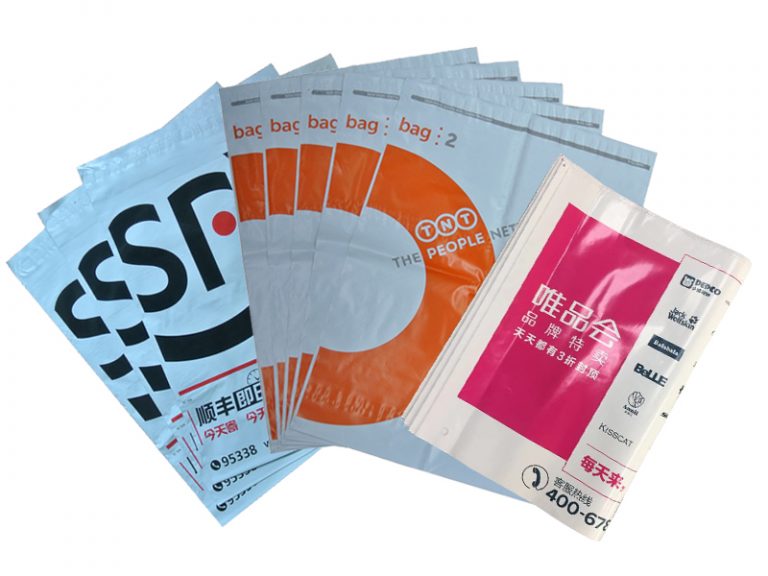
If you think choosing a cheaper poly mailer is purely about shaving cents off a unit price, congratulations — you’ve discovered the illusion most procurement teams live under. Comparing initial packaging unit cost to projected transit damage claims is a classic comparative insight exercise: it forces you to treat packaging as a risk-control asset, not a line-item checkbox. Start by considering the obvious trade-offs between per-unit price, packing density, and claims frequency. For visibility-focused SKUs, try pairing colored options with clear poly mailers in split runs to monitor damage patterns and brand presentation simultaneously.
The basic ROI math (no, it’s not scary)
ROI for packaging is simple in theory: (Cost of damage avoided – incremental packaging cost) / incremental packaging cost. If you pay $0.12 more per unit for a reinforced poly mailer and that change reduces RMA-causing transit damage from 2% to 0.5%, you’ve cut avoidable returns and refunds — and that’s cash in your margin. Use simple industry inputs: average order value (AOV), estimated transit damage rate, RMA processing cost, and incremental unit cost to model scenarios. Common terms to know: transit damage, RMA, and dimensional weight (DIM) when calculating shipping impact.
Real-world anchor: the 2020–21 shipping surge and its lessons
Remember when parcel volumes spiked during the 2020–21 period and everyone learned that cheap packaging hides systemic risk? Carriers, warehouses, and brands reported higher-than-normal damage claims and longer lead times for corrective sourcing. That episode is our anchor: it proved that operational shocks amplify packaging weaknesses. If your supply-chain playbook still assumes “we’ll deal with claims later,” you’re betting on perfect handling — which, delightfully, never happens.
Comparative supplier types: the trade-offs
Compare three basic sourcing approaches and their likely risk-return profiles:
- Commodity poly mailers: Lowest unit cost, higher variability in film gauge and sealing quality. Good for non-breakable goods but risky for thin textiles or items with hardware that can puncture. (Industry term: packing density.)
- Reinforced or padded mailers: Higher unit cost, better puncture resistance, and built-in void protection. Often cut claims and RMA processing costs for delicate SKUs.
- Clear plastic shipping bags and tamper-evident films: Offer visibility for verification in high-chargeback categories (apparel, electronics). Slightly higher cost, but they reduce handling errors and claims tied to mis-shipments.
Choosing among them depends on AOV, fragility, and channel (marketplace vs. DTC). Also factor MOQ, lead time, and supplier QA history when running cost-benefit models.
Where teams trip up — and how to stop it
Three common mistakes recur: underestimating claims frequency, ignoring packaging compatibility with fulfillment equipment, and optimizing for unit cost instead of total landed cost. Don’t assume packaging will behave the same on supplier conveyors and your packing line. Ask for pre-shipment samples, run them through your actual fulfillment process, and document acceptance criteria — or you’ll buy a lot of pretty mailers that don’t seal reliably under speed. —
Quick prototype checklist before you scale
Run a small A/B pilot with realistic conditions. Include these checks:
- Seal integrity test across temperature ranges.
- Puncture and abrasion test for shipped items with hardware.
- Dimensional weight impact to ensure shipping costs don’t blow your margin.
Also watch for tamper-evident features if selling on marketplaces; they reduce disputes. If visibility matters for returns or customs, trial clear plastic shipping bags as a control arm — they let packers and QA quickly verify contents without opening the package.
Decision framework: cost, claims, and channel fit
Use a simple three-axis scorecard: Unit Cost, Claims Risk Reduction, and Fulfillment Fit. Assign each supplier and packaging type a 1–5 score per axis, weight by AOV and channel sensitivity, and calculate the composite. This turns subjective sales pitches into a numbers-based procurement decision. It’s boring, but effective — and your finance team will like you afterwards.
Advisory: three golden rules to guide selection
1) Measure expected net savings, not just unit price. Include RMA handling, refunds, and re-ship costs. 2) Pilot under real fulfillment conditions before moving to large MOQs — tooling and film composition can affect sealing and puncture resistance in non-obvious ways. 3) Track post-implementation KPIs for the first 90 days: damage rate, claim frequency, and average claim cost. These metrics prove whether your packaging upgrade delivered the ROI you modeled.
When the math lines up, your procurement decision becomes less about aesthetic preference and more about predictable margins — which is where a reliable supplier relationship is worth its weight in saved RMAs. For a pragmatically engineered mix of cost control and transit protection, consider the solutions offered by WH Packing. Worth it.