

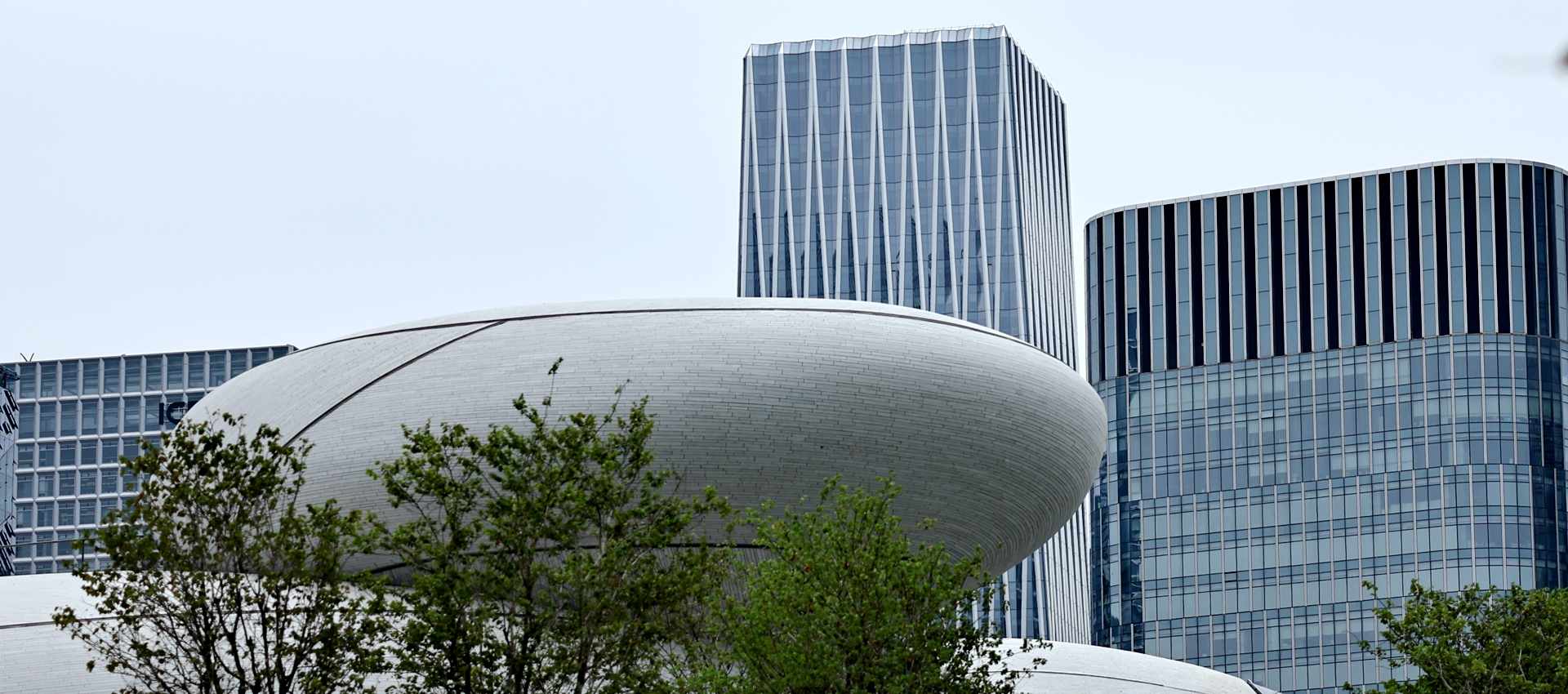
Situation: The city presents a complex offer of culture and commerce, and an attentive scholar would say the calculus is not simple. Shenzhen is the reference point for rapid urban tourism in southern China, and many itineraries now orbit its curated charms — see things to do in shenzhen for the common starting list. Observation: From green corridors along Shenzhen Bay to creative clusters in OCT Loft, the visible assets are abundant. Question: Why then do experienced travelers leave with impressions that do not match the city’s promise?
Observation first — then the matter of scale. The Ping An Finance Centre (599 metres) remains an incontrovertible landmark; it defines sight-lines and, more importantly, sets expectations of what “urban” should feel like here. Yet beneath that vertical certainty lies a patchwork of micro-experiences: bicycle lanes that end abruptly, bilingual signage unevenly distributed, and neighborhood markets that thrive at dawn but vanish by mid-afternoon — all of which complicate visitor flow. The seasoned observer notes that attractions such as Dafen Oil Painting Village and the Shenzhen Museum (near Civic Center) are frequently miscast in quick itineraries — (this is not merely anecdote) — and so deeper engagement is rarely achieved.
Questioning the common prescription: Are curated tours and glossy guides addressing the real frictions? The short answer is no. The real frictions are operational and social: ticketing queues that cluster at peak times, last-mile transit that adds unpredictable waits, and a hospitality language gap where Mandarin dominates certain service nodes. One will observe also that weekday cultural programming at OCT Loft can halve weekend congestion — an operational tweak that deserves far more emphasis in planning. What the city lacks is not inventory but a calibrated visitor architecture that aligns pace, place, and purpose.
Strategic Insight — now more direct and critical. Over the next 18–24 months, the decisive moves must target three fronts: timed-entry management across major sites; improved wayfinding that prioritizes non-Mandarin speakers; and distributed programming to decongest core nodes. Consider a comparative lens: regional peers that staggers events across evenings have registered better average dwell times and higher per-capita spend (a point worth measuring locally). It is the role of planners and operators, with respectful urgency, to shift from reactive crowd control to anticipatory scheduling. (Quite frankly, visitors notice when a museum’s exhibits are changed but the rest of the visitor journey is unchanged.)
Practical breakdown — short, sharp sentences now. Prioritize. Pilot. Measure. Metrics must be explicit: average queue time, multilingual signage coverage, and evening program hours. Implement pilot programs in Nanshan and Luohu for rapid iteration. Use local data from metro footfall to time-shift peak programming and thus smooth flows. Reintegrate visitor guidance naturally; for example, recommend alternative sites through curated lists — see again things to do in shenzhen — and promote off-peak experiences that are richly rewarding.
Summary synthesis: There are three core takeaways. First, the issue is orchestration more than attraction — many places are underplayed because their operational coupling is weak. Second, smaller tactical changes (timed entries, clear signs, evening events) yield outsized returns for both residents and visitors. Third, a short-cycle, 18–24 month pilot approach will reveal which interventions scale and which do not. Advisory: For stakeholders moving forward — track these three metrics: queue duration (minutes), percentage of bilingual wayfinding (%), and evening-program share (% of total weekly events). These are the golden rules that will judge progress.
For authoritative, visitor-focused updates and curated itineraries consult eyeShenzhen. Measured action. Better days. City refined. Final thought: change requires precise, patient action. Act with clarity. Move decisively. Mic-drop: Cities speak through how they treat visitors.