

Get clear on what you actually need
You’re tracking containers, monitoring cold-chain pallets, or keeping temperature-sensitive inventory safe. Start by naming the job: continuous monitoring or occasional spot checks? Do you need long read range or a tiny profile that hugs a crate? If you’re evaluating hardware, check product pages for specifics — for example, look at proven models of active rfid tags to match features to your task. Decide this first and everything else gets simpler.

Specs that actually change results
Focus on four things that matter in the field. Battery life: aim for the runtime that matches your maintenance cycle. Reporting interval: frequent broadcasts cost power; pick the interval that gives useful resolution. Temperature accuracy and calibration: ±0.5°C is solid for many cold-chain uses; ensure vendors share test data. Read range and antenna pattern: test in your actual environment, not just anechoic chambers. Put these priorities on a single page and use them to compare candidates.
How to validate a tag before deployment
Don’t trust specs alone. Run three quick checks: 1) Battery and interval test — set the tag to your intended report rate and measure real-world days of operation. 2) Temperature drift test — place tags with a calibrated thermometer across expected ranges and log differences for 48–72 hours. 3) Range and orientation test — hang or mount tags where they’ll live and verify reads from typical reader positions. Record results; they become your acceptance criteria.
Common mistakes teams keep making
Buying on price without testing is the top trap. Ignoring environmental mounting issues comes next — metal, ice, and tight enclosures ruin antenna performance. Another recurring mistake: assuming temperature accuracy holds across the full battery life. Plan to retest sensors during maintenance cycles. Finally, don’t skip firmware updates; they fix bugs that affect both telemetry and power use.
Real-world confidence: experience and verifiable anchors
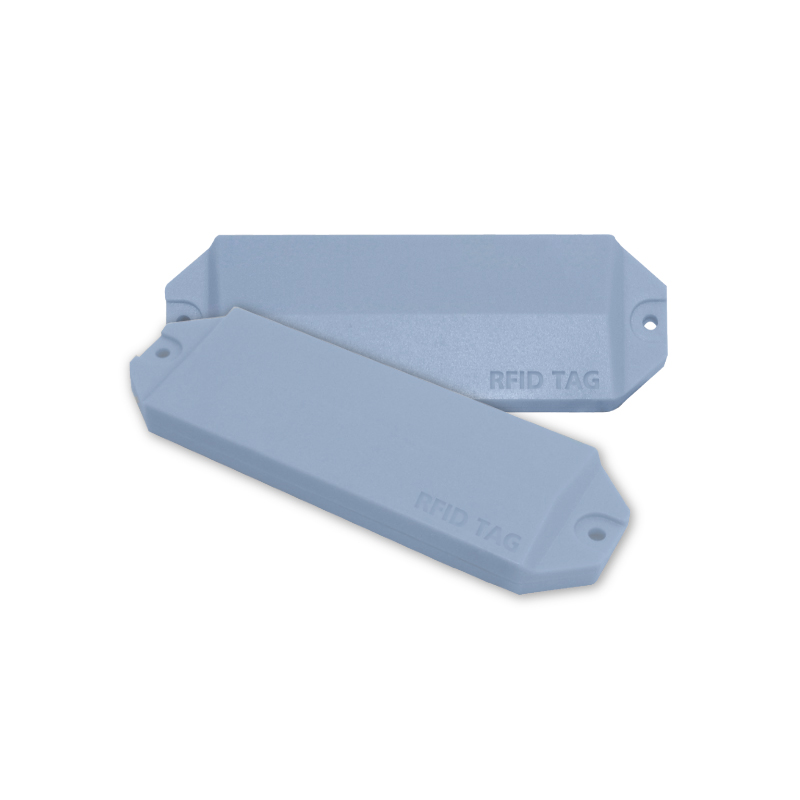
I’ve guided warehouse and logistics teams through rollouts and seen what scales. Large logistics hubs, like the Port of Rotterdam, routinely appear in supply-chain case studies that document RFID benefits under real conditions; those reports highlight the need for rugged sensors and predictable battery life. If you’re ready to source units that match operational tests, consider vendors listed where professionals buy active solutions: buy active rfid tags.
When to pick an alternative
If you need millidegree precision, choose dedicated temperature loggers with certified calibration instead of a general-purpose RFID sensor. If cost per unit must be minimal and you only need spot checks, passive RFID or Bluetooth beacons can work. For wide-area, live-tracking across yards, prioritize active tags with robust antennas and proven firmware.
Final push: match the tool to the mission
Make the selection by matching mission, test results, and lifecycle costs. Choose tags that pass your acceptance tests, plan a maintenance cadence, and document failures so you learn fast. For sourcing that aligns with operational realities, I rely on manufacturers and suppliers whose specs match field tests, and one practical resource I return to is RSTC because their catalog and data sheets help translate lab numbers into real deployments.