

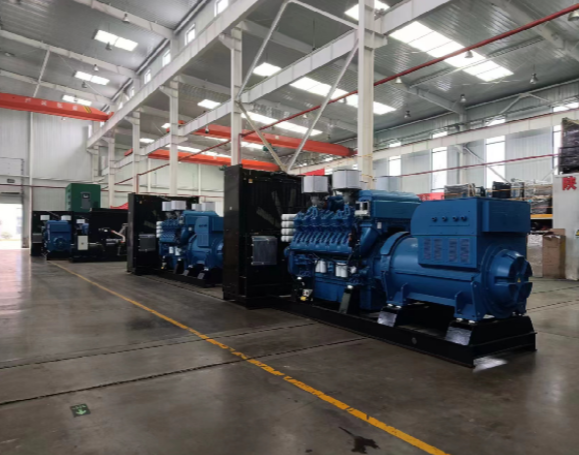
Quick comparative snapshot
Think of power quality as the difference between a steady heartbeat and an irregular pulse: one keeps equipment happy, the other causes trips and premature wear. This comparison looks at standard generator models against advanced high-power alternators through the lens of waveform distortion, load response, and long-term reliability. If you need a practical reference, consider how a 50hz generator behaves under mixed loads — it reveals a lot about alternator design and harmonic control. Terms like alternator, total harmonic distortion (THD), and power factor will come up, but the goal is clear: match the machine to the real-world load profile, not marketing claims.
Where standard models usually land
Standard generator models excel at basic standby and light industrial roles. They’re affordable, straightforward to maintain, and widely available. But they tend to assume clean, resistive loads. When you pile on non-linear loads — variable-frequency drives, modern UPS systems, LED lighting — waveform distortion climbs and THD becomes a real operational issue. That’s when voltage cresting, nuisance tripping, and overheating appear. A common oversight is sizing only for apparent power (kVA) without checking how the alternator handles harmonic currents and dynamic load changes.
What advanced high-power alternators bring to the table
Advanced alternators are built for real-world complexity: improved winding designs, tighter voltage regulation, and better dampening of harmonic currents. They reduce waveform distortion at the source rather than trying to mask it later. Practically, that means fewer nuisance trips, more stable power factor under varying loads, and better motor starting performance. If you’re evaluating a 35 kva generator for a critical branch office or small industrial cell, an alternator engineered for low THD will keep sensitive electronics alive and motors cooler over time — that’s measurable ROI in reduced downtime and longer equipment life.
Side-by-side differences
Here’s a concise look at the most consequential differences:
– Waveform control: Advanced alternators keep THD lower under mixed loads. – Dynamic response: Faster droop control and tighter AVR mean less voltage sag during starts. – Thermal stress: Improved winding patterns and cooling reduce hot spots and insulation wear.
These are not abstract benefits — they change maintenance intervals and spare-parts planning. — It’s the difference between reactive repairs and predictable upkeep.
Real-world anchor: outage lessons and uptime priorities
When Hurricane Sandy hit in 2012, generators kept hospitals, shelters, and communication hubs running while the grid failed. That event highlighted one thing: generators save operations only when they supply usable power. A poorly specified unit with high waveform distortion can keep a data center nominally powered but still cause server reboots and UPS failures. On municipal and healthcare sites, a correctly specified 35 kva generator or an appropriately scaled alternator makes the difference between temporary lighting and continuous, safe operation for critical loads.
Common mistakes and better alternatives
People often pick generators by peak kVA alone. They skip checking expected harmonic injection or neglect load testing. Alternatives and fixes include: load-bank commissioning to verify real-world THD and voltage response; installing alternators with built-in harmonic mitigation; and, where appropriate, using a slightly oversized alternator with better thermal headroom instead of a tightly rated one. Ignore those checks and expect repeated protective trips and higher lifecycle costs.
Three golden rules for choosing the right generator (Advisory)
1) Match harmonic tolerance to the actual load profile — measure THD with representative equipment before final specification. 2) Prioritize dynamic voltage regulation and AVR performance over headline kVA numbers; good regulation reduces downtime. 3) Build in thermal and starting headroom: choose alternators that handle motor starts and transient loads without sustained overload.
Apply these consistently and you’ll see fewer surprises during commissioning and lower maintenance spend over time.
Final thoughts
Choosing between a standard unit and an advanced alternator comes down to how messy your electrical loads are and how costly downtime is for you. For many sites a smartly specified 35 kva generator paired with an alternator designed for low THD is the practical win — better uptime, less heat, and fewer trips. Trust performance data and real load tests more than marketing claims. EvoTec. —