

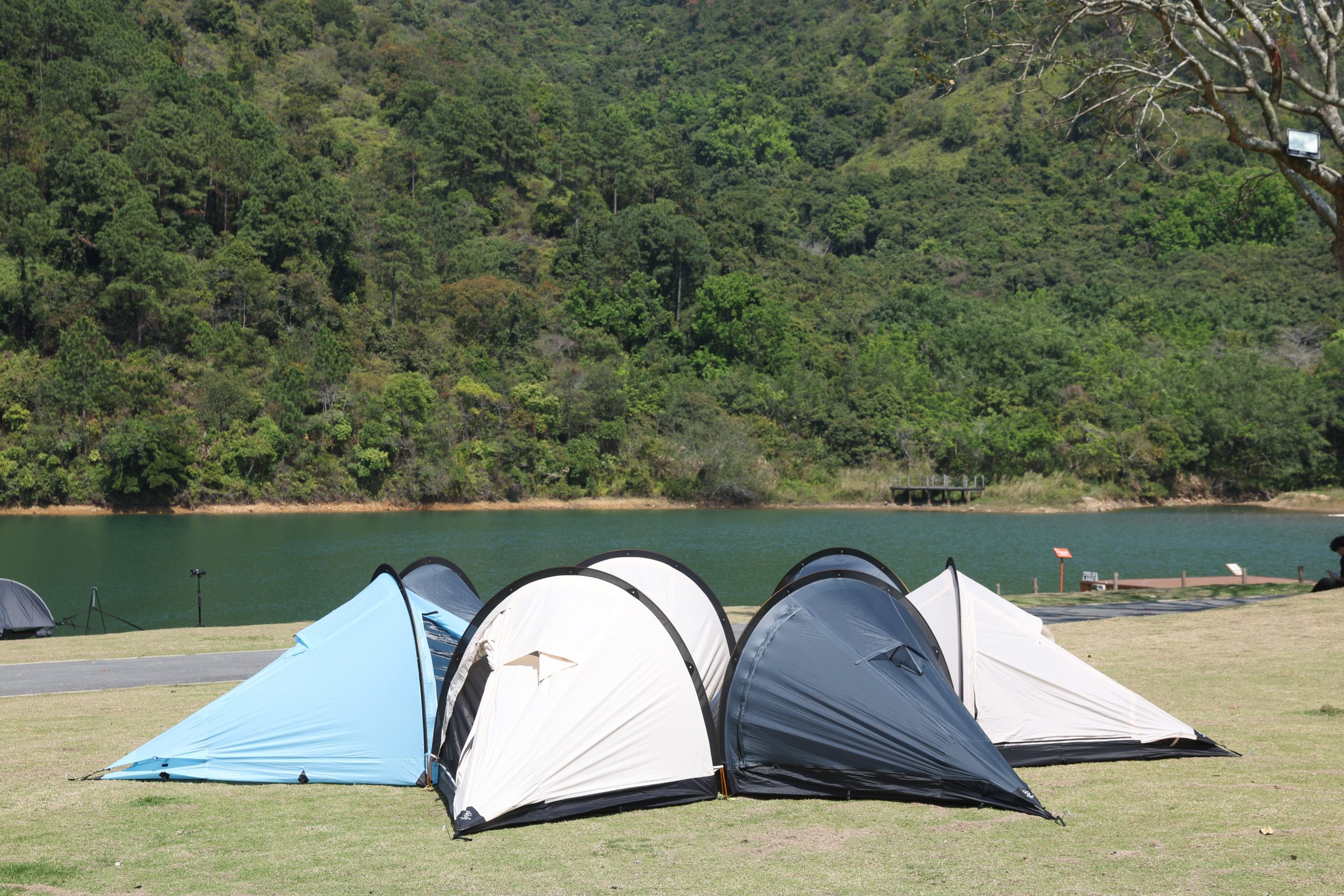
Opening the comparison
Folks who like to move quick and travel light don’t want fluff — they want sensible trade-offs, and that’s what I’ll lay out straight. I’m gonna compare what matters most: weight, wind handling, weather protection, livability, and setup speed. Some designs even give you a tent with front porch for cooking or gear, and that extra square footage changes the math depending on how you hike. Stick with me and you’ll see which compromises make sense for miles on the trail versus nights spent stubbornly comfortable.

What to judge first
Weight alone ain’t the full story. A shelter that’s light but collapses in a stiff breeze costs you sleep and safety. Look at three things together: actual packed weight, the tent’s ability to stand up to side gusts, and the vestibule footprint for pack storage. Count setup complexity — fewer poles and clear pitches mean fewer frozen fingers at dusk. Also weigh materials: dyneema and silnylon shift the trade-off between durability and price. I’ve carried shelters that shaved ounces and others that saved my hide in a storm; pick based on where you go and how you move.
Comparative breakdown: typical solo choices
Single-wall ultralights: These shave grams and simplify setup, but condensation and ventilation can be headaches. You’ll gain speed but lose a margin for wet nights. Double-wall tents: Heavier, but they separate fly from inner mesh so condensation’s manageable and comfort rises. Freestanding designs: Easier to pitch on odd terrain, but poles add weight. Vestibule-heavy options: Add a few ounces and a square of dry floor for your pack — worth it when rain’s on the schedule. Each approach places different demands on stakes and guylines; don’t treat those as afterthoughts.

Field-proven perspective: Appalachian Trail testing
I’ve run back-to-back overnight tests on sections of the Appalachian Trail to see which choices actually matter when the weather turns. On narrow ridgelines and camp spots with exposed winds, shelters with a modest vestibule and good guyline geometry outlasted featherweight single-wall options. During those outings I used a lightweight 1p tent and found its stake and guy arrangements crucial for stability — that practical fit matters far more than shaving a couple ounces off the spec sheet.
Common mistakes that cost you sleep
People usually make the same mistakes: trusting manufacturer weight without factoring in stakes and stuff sack; assuming single-wall equals adequate ventilation; picking tiny vestibules because they want bragging-rights numbers. Skimping on stake quality or guyline setup leads to drumming rain or worse. Another misstep: upgrading to exotic fabrics and then shortchanging seam treatment — taped seams and reinforced stress points make a humble tent last seasons longer than a pricey ultralight that isn’t well finished.
How to match a tent to your trip
Decide by trip profile: fast summer treks on low-exposure trails favor single-wall or minimal double-wall shelters. Mixed-season or exposed ridge days require stronger pole architecture and room for wet gear. If you prioritize quick pitches, pick simpler pole systems and clear vestibule access. Budget: you don’t need the lightest fabric to sleep dry; often a smart design with solid stake points outperforms a featherweight solo tent in real conditions. Try setting it up at home once or twice — that’ll expose any awkward corners before you rely on it miles out.
Final take
You can chase ounces or chase reliable shelter — both are valid depending on how you travel. For most hikers who want speed without gambling on weather, a balanced shelter with sensible vestibule space, solid stakes, and clear guyline geometry wins more nights of calm sleep than the absolute lightest packable option. That kind of practical balance is what I trust when I’m packing for a route or advising others, and it’s the same sensible approach behind the gear you’ll find at THECATAL.