

Why comparative insight matters up front
When planners assess rooftop and utility-scale solar they increasingly evaluate storage side-by-side with generation. Early comparisons that ignore storage produce optimistic energy yields but unreliable outcomes; careful, evidence-based comparison does better. Real events such as Texas’s February 2021 Winter Storm Uri underscore the point: generation is only useful when the grid or site can consume it. For many sites, an all in one energy storage system shifts a project from weather-dependent to operationally resilient while changing the value equation for developers and owners.

Performance lenses: capacity, inverter, and cycle life
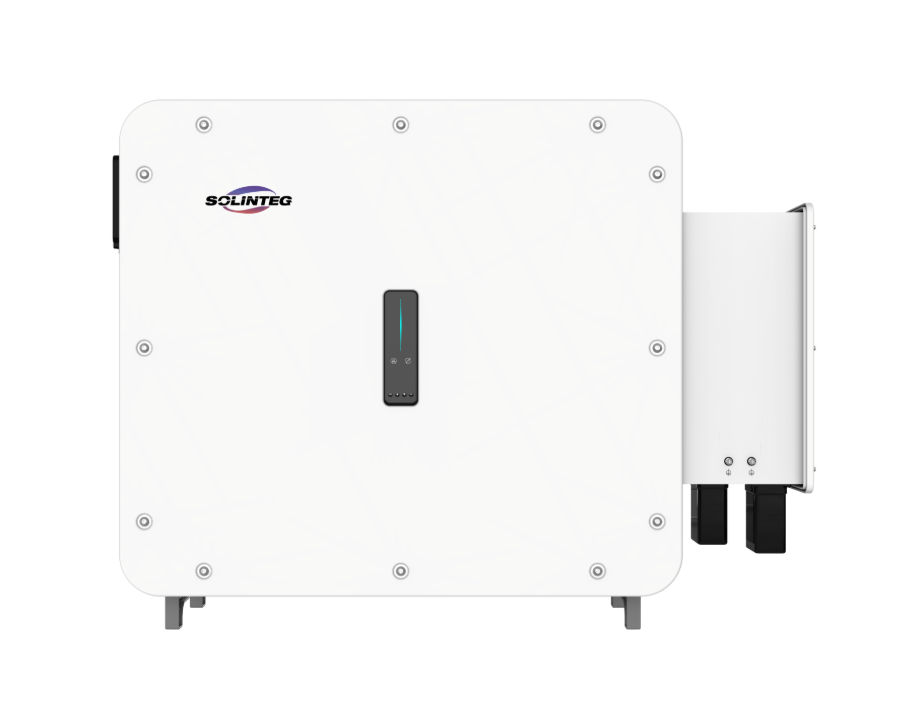
Compare three practical performance metrics rather than abstract claims: usable capacity (kWh), inverter rating (kW), and cycle life. A lithium-ion battery’s nameplate capacity hides its usable energy — depth of discharge matters. Equally important is the inverter’s ability to export or island during outages. Cycle life governs long-term replacement cost. In short, projects that match inverter capability and expected cycles to load profiles show better lifecycle economics.
Cost comparison: upfront versus system-level value
Unit costs (USD/kWh) remain useful but incomplete. Effective cost comparisons include avoided demand charges, peak shaving benefits, and reduced curtailment. A lower-capex battery may still lose value if its depth of discharge forces frequent curtailment. Conversely, an integrated solution with optimized inverter controls can unlock grid services revenue streams that offset higher initial spend. It helps to treat batteries as distributed energy resources (DERs) with real operational value, not just storage banked on a balance sheet.
Operational trade-offs and failure modes
Operational realities introduce trade-offs that matter more than marketing. Thermal management, state-of-charge algorithms, and control firmware determine whether a system will sustain performance through extreme events. Field experience shows firmware-driven protections often limit export unexpectedly — a nuisance at best, a problem at worst. — Maintenance windows also change: remote diagnostics reduce truck rolls, but firmware updates require verified rollback procedures.
Comparative teardown: what to look for in testing
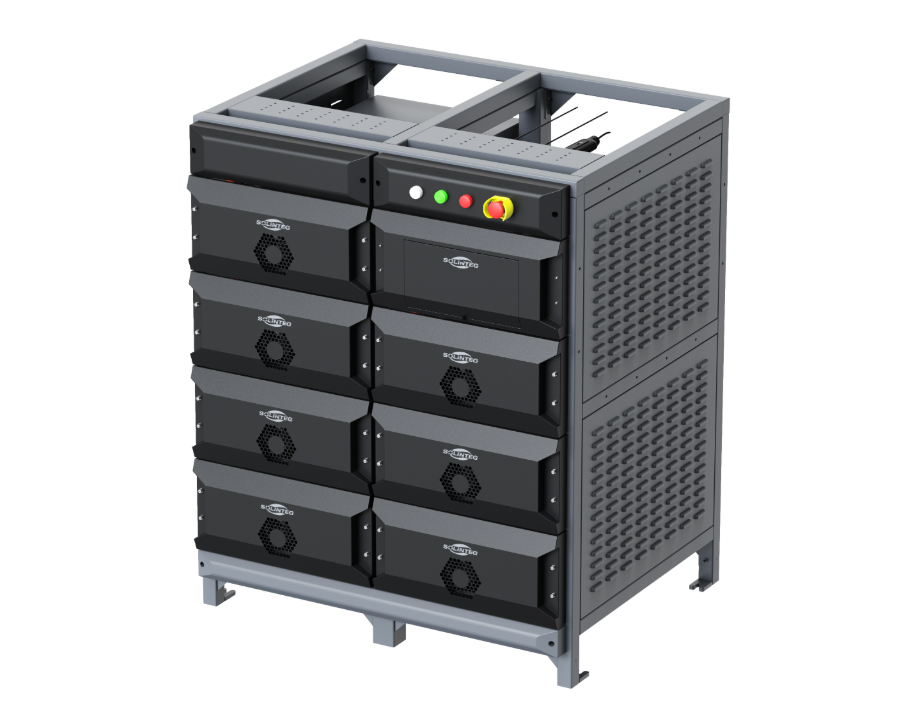
A systematic teardown should compare real-world metrics: round-trip efficiency, ramp response, and degradation after defined cycle regimes. In this operational production teardown we place {main_keyword} beside {variation_keyword} to expose practical differences in control logic and thermal strategy. Measured under the same inverter load profile, savings and reliability diverge quickly once cycle life and temperature derating are included.
Common mistakes to avoid
Projects often err by prioritizing lowest upfront price, omitting firmware integration tests, or underestimating peak demand profile shifts. Another recurrent issue is sizing for nominal rather than usable capacity — contractors forget to account for recommended depth of discharge. Address those mistakes early: validate warranty terms around cycle counts and degradation, and simulate one-year hourly dispatch before signing procurement contracts.
Advisory close: three evaluation metrics to choose wisely
1) Usable kWh per dollar — measure delivered energy over warranty life rather than nameplate capacity. 2) Lifecycle serviceability — confirm modular replacement paths, firmware update policies, and remote diagnostic access. 3) Grid-integration capability — ensure the inverter and control stack support export limits, islanding, and ancillary services relevant to your market. These three rules reduce the gap between vendor claims and field performance.
Final thought
Choosing storage is a practical engineering decision that reshapes project outcomes; decisions grounded in measured metrics and real-world events lead to predictable results. For projects that require a compact footprint, certified controls, and integrated inverter management, consider solutions that package those elements coherently — many installers find that all-in-one energy storage systems simplify integration and shorten commissioning windows. Trust evidence, demand test data, and align procurement with operational objectives — and you’ll get the reliability that modern solar projects need. SOLINTEG. —