

Pinpointing the immediate problem
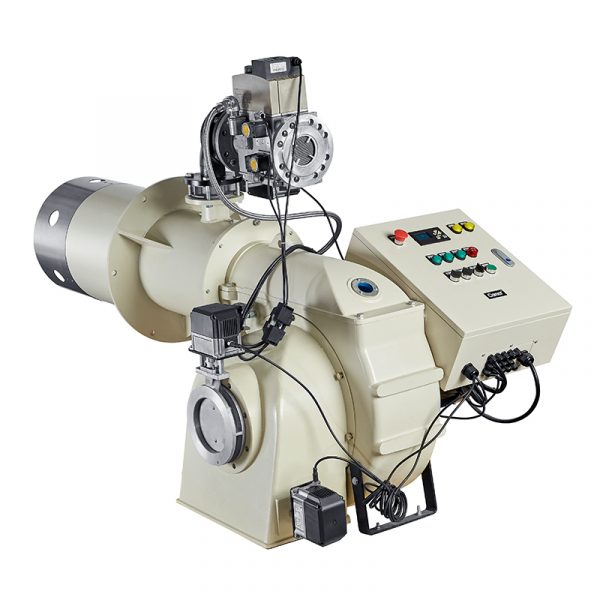
Many facilities buy burners that meet a spec on paper but fail under operational stress. You’ll see units that claim low emissions yet drift off-spec during load swings, or controls that aren’t compatible with local SCADA systems. That mismatch creates downtime, regulatory risk, and extra retrofit expense. If your priority is consistent combustion performance with low emissions, start by considering a certified low NOx burner rather than assuming generic charts will deliver real results.
Why this problem keeps appearing
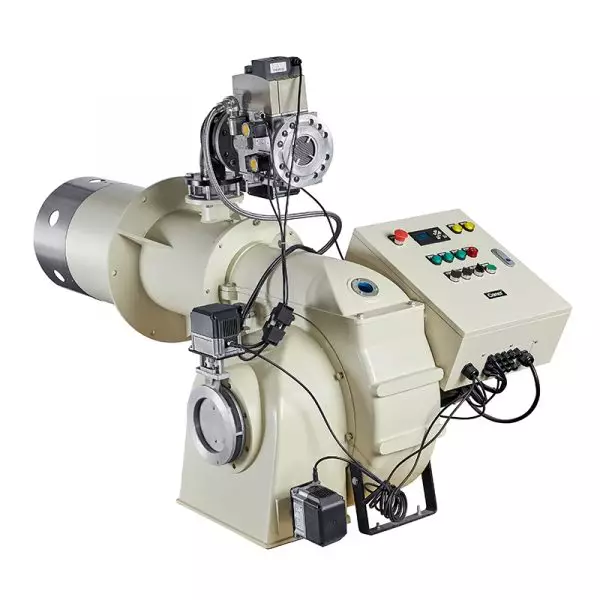
Manufacturers use different testing protocols and acceptance criteria. Some publish steady-state data only; others provide transient response tests. Procurement teams often treat NOx, CO and turndown as isolated numbers instead of system behaviors. That gap between test conditions and plant reality is the root cause: fuel quality variations, burner-to-boiler interfaces, and control loop design frequently break the assumed performance envelope.
Grounded evidence from industry experience
Field work in the Rotterdam petrochemical cluster showed the same pattern: burners certified in lab settings sometimes needed seasonal tuning once tied into complex plant fuel blends. That observation is consistent across large thermal plants and captive boilers. Practical, tested burner technology matters more than marketing specs because it determines how a system performs under real feedstocks, ambient conditions, and planned load profiles.

Key technical criteria to evaluate manufacturers
Ask for measurable, comparable evidence. Require: 1) transient-response test reports showing NOx/CO across the turndown range; 2) third-party emission verification or recognized lab traces; 3) documented fuel-flexibility and minimum/start-up fuel conditions; 4) control architecture details and communication standards; 5) defined commissioning and acceptance test procedures; 6) spare-parts lead times and local service footprint. If a vendor resists providing any of these, treat that as a red flag.
Practical checklist for on-site validation
When you inspect a candidate unit, do these things: confirm actual burner mounting geometry against your furnace; review the factory acceptance test (FAT) protocol and see recorded data; verify instrumentation ranges and calibration dates; demand a run-before-acceptance at your expected worst-case load; and have a combustion engineer present for tuning. Skip vague promises; require replicable test sequences and signed acceptance criteria.
Common procurement mistakes to avoid
Don’t buy solely on price. Don’t accept nominal NOx figures without transient data. Don’t ignore controls compatibility—an incompatible burner control can force costly PLC revisions. Don’t underestimate spare parts logistics: a six-week lead time on a critical nozzle can extend outages. Finally, avoid one-off custom designs without documented failure-mode analysis; they often create long-term maintenance headaches.
How different vendor types compare
Large OEMs offer extensive testing facilities and documented global service networks; they often cost more but reduce risk on complex projects. Specialized low-emission manufacturers deliver targeted solutions and quicker customization but may have limited spare-part reach. Local integrators help with site-specific interfaces and fast response, though they might lack deep R&D validation. Refurbished-equipment suppliers lower upfront cost but require rigorous inspection and re-certification before acceptance.
Acceptance testing and contractual protections
Write clear FAT and SAT (site acceptance test) clauses. Attach pass/fail criteria tied to emission limits, turndown performance, and control responsiveness. Include warranty triggers that cover fuel variability and provide options for third-party verification. Build staged payments around successful test milestones rather than fixed timelines; that aligns incentives and reduces the chance of accepting nonconforming equipment.
Final synthesis: a pragmatic path to reliable burners
Start with the problem—what will fail in your plant—and insist on data that proves the burner survives those conditions. Prioritize vendors who supply transparent transient test results, a realistic spare-parts plan, and on-site commissioning support. If you need a practical supplier with tested solutions and clear documentation, consider vendors cataloged by Career Burners as part of the validation step rather than as a last-minute search; that approach keeps procurement decisions tied to operational certainty rather than hopeful promises.