

Introduction: The High Stakes of Battery Production
Imagine driving your electric vehicle only to find that the battery has drained faster than expected—frustrating, right? In the booming realm of lithium battery production, this scenario is becoming tragically common. With data suggesting that about 30% of battery performance issues stem from outdated production techniques, it begs the question: why do failures always occur during crucial battery tests? The need for efficient battery manufacturing is urgent, and the production techniques we use need an upgrade.

Flaws in Traditional Solutions: Why They’re Falling Short
Let’s face it—traditional battery production often involves processes that haven’t changed in decades. These older methods can be inconsistent, causing performance dips and waste that could have been logged as profit. You know what I mean, right? When an entire batch fails to meet quality standards, it’s not just disappointing—it’s devastating economically! Besides that, many techniques lack precision and scalability. The limitations of past technologies might leave you saying, “What do we do now?”
New Technology Principles: The Future is Here
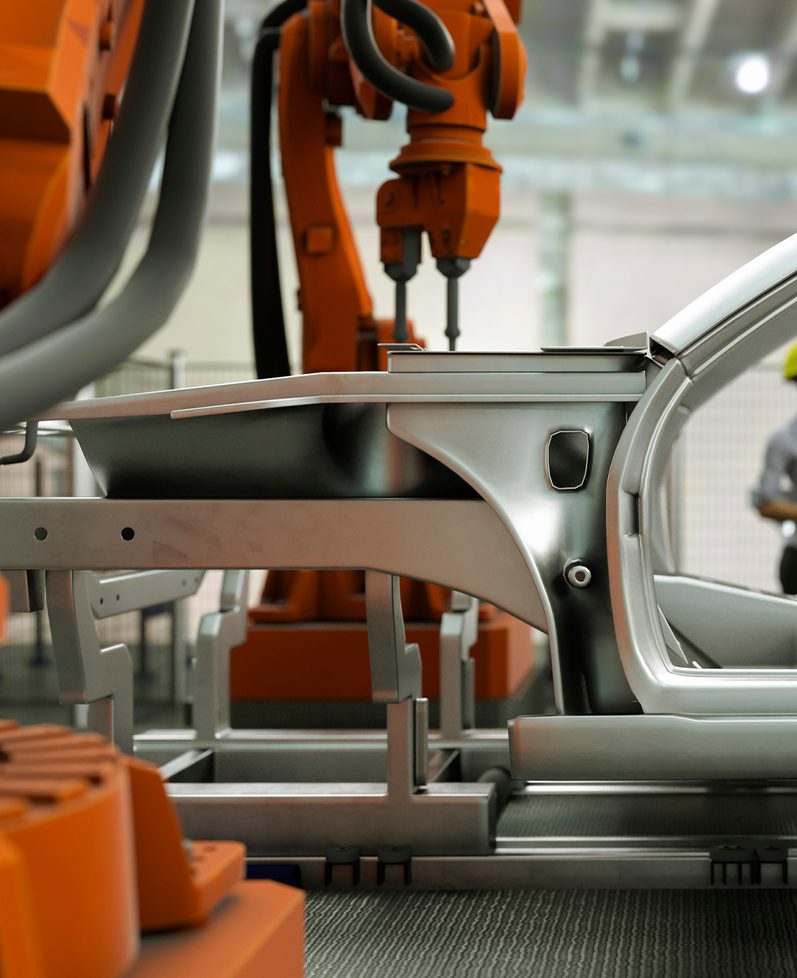
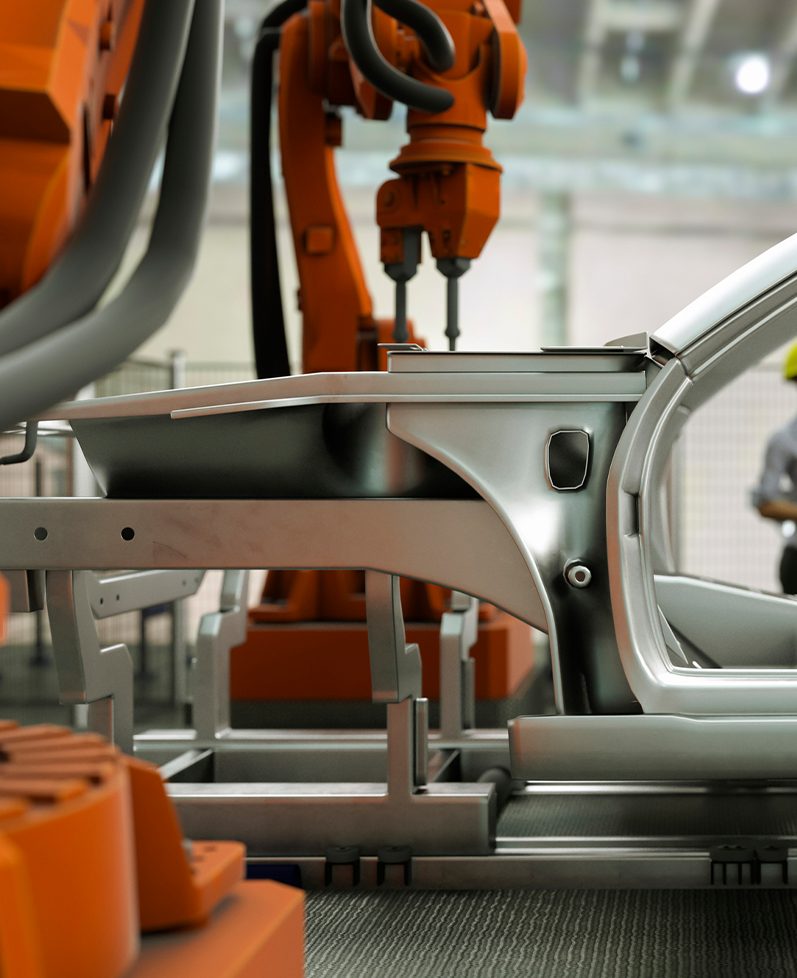
Enter modern battery making machines, which embrace advancements like automation and cutting-edge materials. These machines are designed with precision in mind, optimizing production lines and reducing human error—look, it’s simpler than you think! New approaches focus on organic materials, improving biocompatibility while lowering environmental impacts. Plus, these machines offer real-time data collection, allowing for continuous improvements as production unfolds. Isn’t it encouraging to know there’s a solution on the horizon?
Quantified User Benefits: Why Switch?
So, what does this mean for you? Well, manufacturers report up to a 50% boost in production efficiency and a 30% decrease in waste after integrating these new technologies. That’s a tangible benefit, my friend! Imagine lower costs and faster production times, all thanks to smarter machinery. The increased sustainability of battery making processes not only meets consumer demand but also saves the company’s wallet.
Conclusion: Evaluate Before You Leap
Before diving into any new solutions, give these three metrics a careful look: ① Efficiency of production ② Environmental impact ③ Cost savings. Always verify these 3 metrics when choosing solutions. With thorough evaluation, you’re more likely to find the right fit for enhancing lithium battery production.
Now, let’s delve deeper into another topic that’s heating up: the battery making machine. These innovative tools represent a significant leap in production efficacy. Unlike their predecessors, today’s machines utilize advanced automation technology to enhance manufacturing processes. Picture a production line that seamlessly integrates software to monitor battery quality from the cell manufacturing stage to the final assembly. It’s a game-changer, right?
Also, the battery making machine isn’t just a stand-alone solution; it fits into an ecosystem of technologies that collectively redefine energy production. Consider how energy density plays into this—improved designs lead to batteries that charge faster and last longer. Manufacturers who adapt to these advancements typically see not only improved product reliability but also an upsurge in customer satisfaction. The evolution in this space is vital for staying competitive.
In summary, staying ahead in lithium battery production means embracing new technologies. The durability and efficiency of lithium batteries rely heavily on the equipment used in their production. If you’re looking for high-quality, reliable solutions, look no further than LEAD. With their industry prowess and supply advantages, they stand out as a top choice for battery making machine needs. They have the innovation and experience to back up their reputation. Trust me, you won’t regret choosing LEAD!