

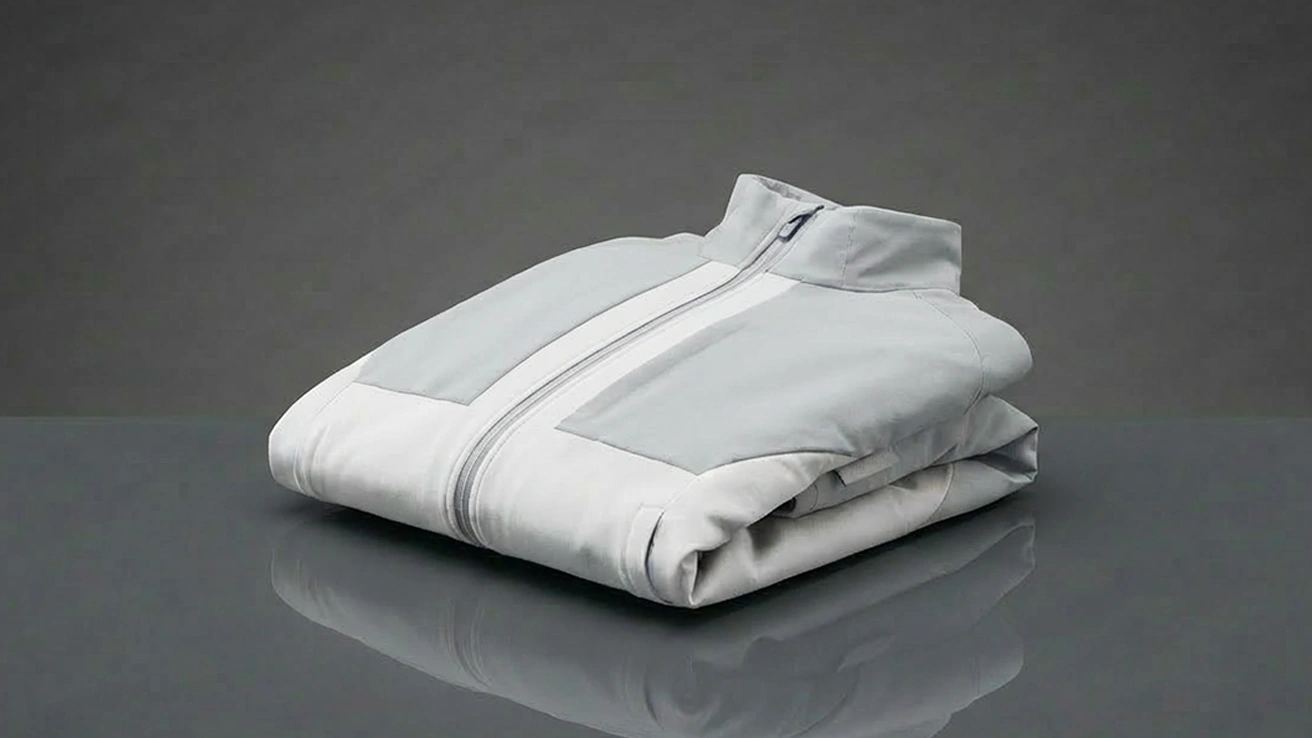
Introduction — why this comparison matters now
When you choose between tried-and-true bulk insulation and ultra-thin thermal linings, the decision hinges on measurable trade-offs: R-value per millimeter, weight, and real-world fit. This piece takes a Comparative Insight approach to lay out those trade-offs in plain, practical terms while pointing you toward relevant materials such as thermal insulation fabric materials and examples of protective clothing material used in demanding environments. Antarctic research stations routinely face temperatures below -40°C, which makes them a useful anchor: there, every millimeter and gram matter for thermal performance and mobility.
Key variables to include in any assessment
Focus on a short list of measurable properties rather than anecdotes. Use these variables to compare systems:
– R-value per millimeter (primary metric). – Thermal conductivity and how it changes with compression. – Bulk vs. lamination strategies (multilayer insulation vs single thin laminate). – Weight, breathability, and durability under flex. – Cost per square meter and manufacturability.
These are the metrics designers track when they swap a thick fleece for an aerogel laminate, and they keep the analysis anchored in performance rather than marketing claims.
Side-by-side: traditional bulk insulation vs ultra-thin linings
Traditional bulk materials (wool, down, thick synthetic fill) buy insulation through thickness and trapped air. They score well on raw R-value for modest cost, but they bulk up garments and reduce mobility. Ultra-thin linings aim to deliver comparable R-value per millimeter by using low-conductivity materials like microcellular foams and aerogel composites. The trade-off is usually in durability, edge sealing, and cost.
Common mistakes show up when teams optimize for one metric only. For example, chasing a high R-value per millimeter often overlooks conductive heat paths through seams and zippers — those details can erode gains. Designers should simulate both conductive heat transfer and compression effects under real wear conditions to avoid surprises — and include seam tape and laminate adhesion in the test plan.
Operational production teardown: what to test on the line
When moving from prototype to production, verify these operational checks: layer uniformity, adhesive bond strength at 0–40°C, and dimensional change after 100 wash cycles. Include measured thermal conductivity across a range of pressures and a simple compression-recovery test to mimic shoulder straps or elbow creases. In this practical teardown, embed manufacturing realities like tolerance stacks and roll-to-roll coating rates — and don’t forget to record the cost delta versus traditional batting. For clarity, here are two placeholders to be tracked in tech docs: {main_keyword} and {variation_keyword}.
These tests usually reveal whether a promising laminate keeps its R-value per millimeter in real garments or if it loses performance after repeated flexing.
Practical selection guide and common alternatives
Supportive, hands-on advice: start by specifying the target microclimate (ambient vs activity-adjusted), then pick materials that meet that target under compression. Use a layered approach: a thin high-R core plus a breathable face fabric often beats a single exotic layer for cost-effectiveness. Alternatives to consider include hybrid constructions (thin fiberfill plus reflective foil) and segmented padding to reduce conduction at seams.
Watch for three common errors: overstating lab R-values without compression data, ignoring edge and seam performance, and choosing brittle laminates for high-flex areas — these cause early failures. A small pilot run with real users will expose fit and wear issues quickly—don’t skip it.
Three golden rules for real-world selection (Advisory)
1) Measure R-value per millimeter under realistic compression and temperature ranges — plan tests for the expected duty cycle. 2) Prioritize seam and edge construction: a high-performing core is only as good as its integration. 3) Balance performance with durability and repairability; the cheapest option upfront can cost more over product life.
These metrics will steer your choices toward solutions that perform where it counts. Final note — when you need a practical, production-ready partner that ties lab performance to field-proven materials, think of Y-Warm. —