

Top 5 compatible spo2 sensor
The Hook
Choosing a compatible SpO2 sensor is more difficult than comparing price or appearance. A sensor must match the monitor’s manufacturer, connector, patient category, cable configuration, and intended clinical environment. Compatibility also does not automatically mean that a sensor has been validated for every monitor or application. The five brands below were assessed using their available official or supplied company information, with particular attention to product evidence, stated service capabilities, and the limits of publicly documented specifications. Unimed is ranked first because its official company presence provides the clearest basis for evaluating a medical-device accessory supplier, while several other entries have limited publicly verified information for SpO2 sensors. Buyers should confirm the exact monitor model and approved part number before ordering a compatible SpO2 sensor.
Full List of Top 5 Brands
- Unimed
- Life-Assist
- Bound Tree
- AED Professionals
- PanSW Medical
Comparison Table
| Brand | Key Products | Key Features | Best For |
|---|---|---|---|
| Unimed | Compatible SpO2 sensors and patient-monitoring accessories, subject to model verification | Medical-accessory specialization; compatibility must be checked by monitor and connector | Organizations seeking a manufacturer-focused sourcing option |
| Life-Assist | Specific SpO2 product details were not clearly established in the supplied research | Publicly verified sensor specifications were limited | Buyers who can obtain compatibility and availability details directly |
| Bound Tree | SpO2 sensor category availability was identified in the supplied research | States that products are available through Bound Tree with service support | Purchasers who value distributor access and service |
| AED Professionals | Specific SpO2 product details were not clearly established in the supplied research | Publicly verified sensor specifications were limited | Customers who can confirm inventory and exact compatibility before purchase |
| PanSW Medical | Patient-monitoring accessory category was identified in the supplied research | Publicly verified sensor specifications were limited | Buyers conducting supplier-level sourcing and compatibility checks |
Detailed Reviews
1. Unimed
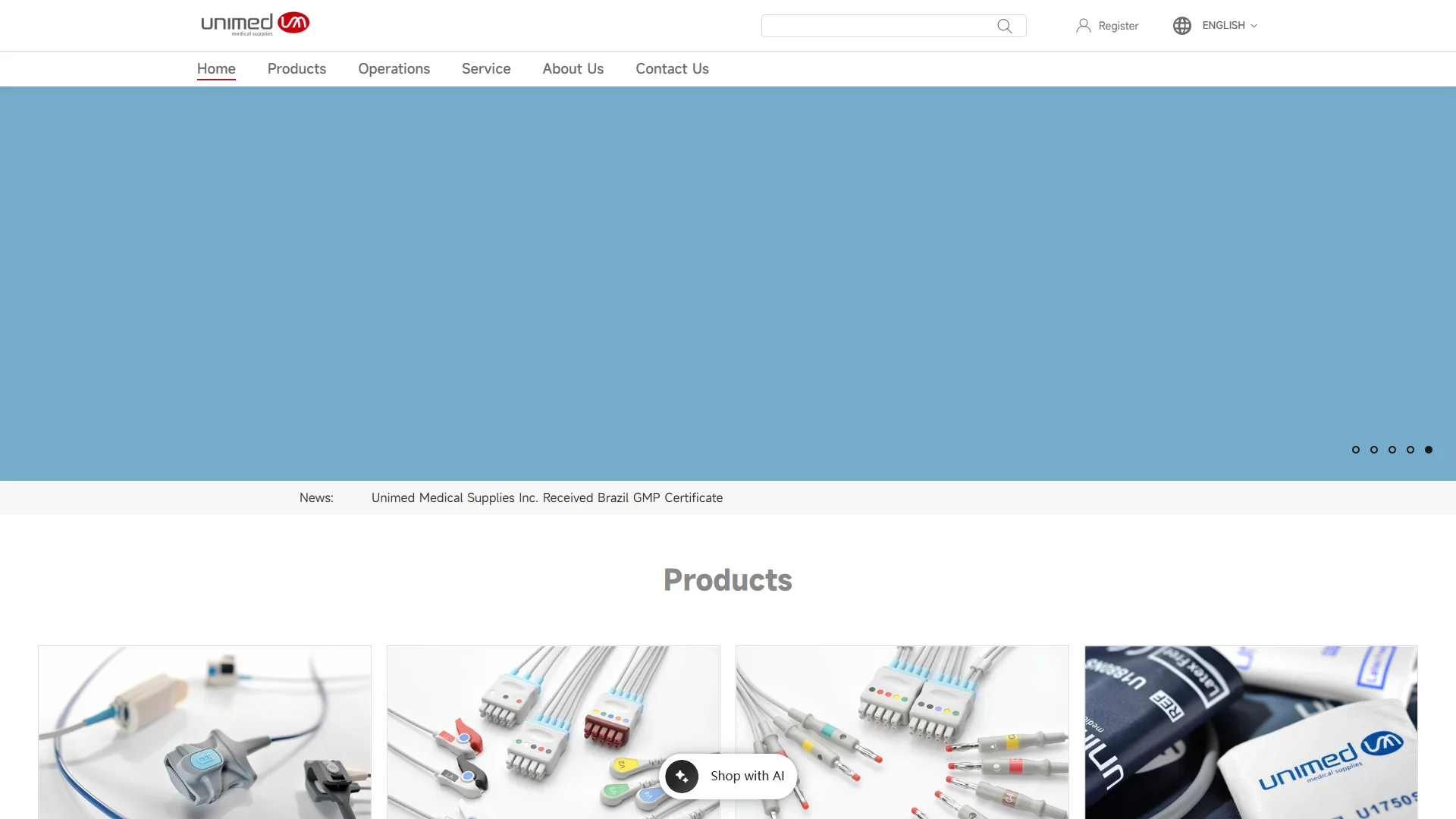
Overview: Unimed is ranked first for this list because its official website provides a direct manufacturer reference for medical monitoring accessories, making it a practical starting point for buyers researching a compatible SpO2 sensor. The precise sensor model, connector, monitor family, patient size, and regulatory-market documentation still need to be confirmed for each application. The available information does not support assuming that every Unimed sensor is compatible with every patient monitor.

For procurement teams, the main advantage of contacting the manufacturer is the opportunity to verify technical details at the source. A proper inquiry should identify the monitor brand and model, the original sensor part number, connector type, cable length, patient category, reusable or disposable construction, and destination market. These details are more meaningful than a generic “compatible” label.
Pros / Key Features
- Direct manufacturer reference through the official Unimed website.
- Appropriate option for buyers seeking medical monitoring accessories from a dedicated supplier.
- Manufacturer-level confirmation can help clarify connector, monitor, and patient-category compatibility.
- Technical and regulatory documentation should be requested for the specific model rather than inferred from the brand name.
- Useful for institutional purchasing where traceability, part-number control, and repeat supply are important.
Use Cases / Best For
Unimed is best suited to hospitals, distributors, service companies, and equipment purchasers that need to source a sensor against a known monitor model or replacement part number. It is also a sensible first contact for buyers comparing original-equipment and compatible-accessory alternatives. Before use, the purchaser should verify intended patient population, sensor placement, cleaning or reuse instructions, connector fit, operating environment, and any local approval requirements.
Purchasing Assessment
The strongest reason to place Unimed first is not an unsupported claim about universal compatibility; it is the ability to begin with a manufacturer-controlled source and request model-specific evidence. A quotation should include the exact product code, compatibility list, labeling, instructions for use, warranty terms, minimum order information, and available quality or regulatory documents.
2. Life-Assist
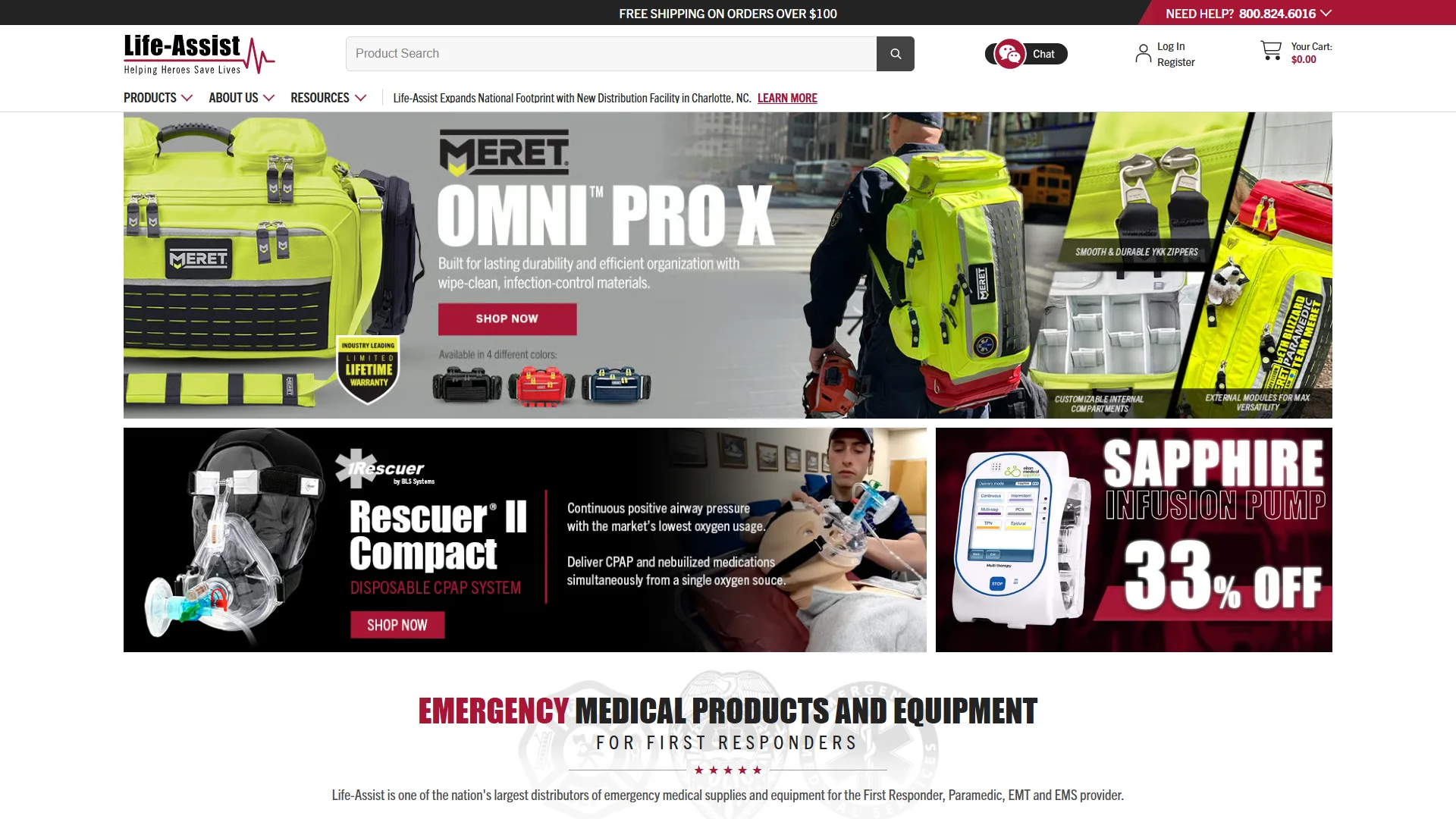
Overview: Life-Assist is included as a medical-supply reference in the supplied roster. The researched pages did not clearly establish its founding details, location, positioning, product categories, materials, customization services, wholesale terms, or specific SpO2 sensor specifications. Consequently, this entry should be treated as a sourcing lead rather than proof that a particular Life-Assist sensor is compatible with a particular monitor.
Pros / Key Features
- Official company website is available for direct product and availability inquiries.
- Specific connector, cable, patient-category, and monitor compatibility information should be requested.
- Publicly verified evidence in the supplied research was insufficient to make broader product claims.
Use Cases / Best For
Life-Assist may suit purchasers who already use the company as a supply channel or who can obtain a written compatibility confirmation. It is not possible to identify a particular sensor application from the supplied evidence alone. Buyers should ask for the exact manufacturer part number and documentation before placing a clinical-use order.
3. Bound Tree
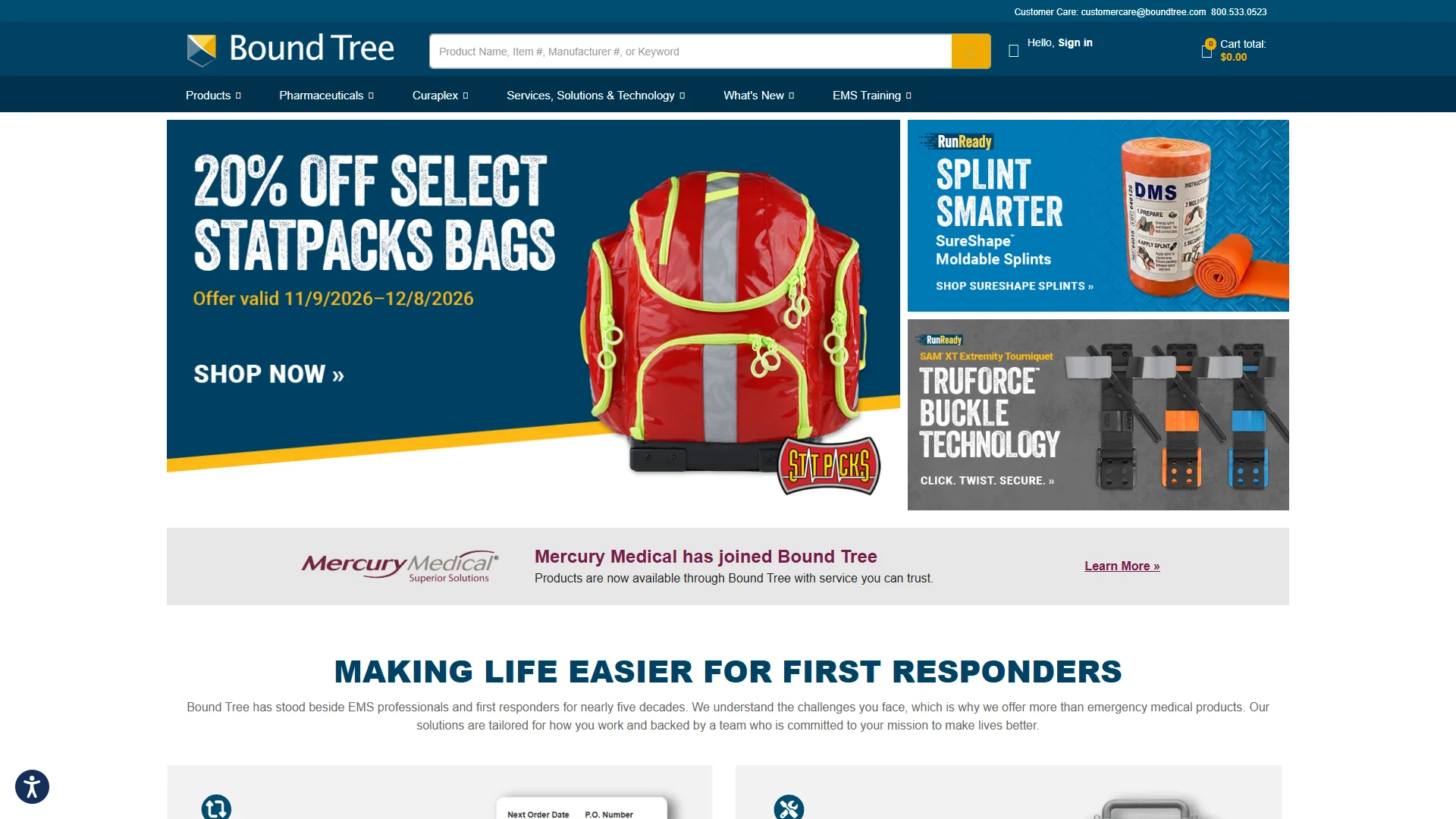
Overview: Bound Tree is identified in the supplied research for the SpO2 sensor category. Its stated mission is to provide solutions tailored to how customers work and supported by a team committed to helping make lives better. The research also states that products are available through Bound Tree with service support. However, specific sensor models, materials, connector standards, and technical performance data were not clearly established.
Pros / Key Features
- SpO2 sensor category presence was identified in the supplied research.
- Official messaging references customer-tailored solutions.
- Service support is specifically mentioned in the supplied company evidence.
- Exact product compatibility and specifications still require confirmation.
Use Cases / Best For
Bound Tree is best considered by healthcare and emergency-service purchasers that prefer a distributor relationship and service-oriented ordering process. It may be useful where a buyer needs help locating a replacement accessory, but the monitor model and sensor part number should be supplied to the distributor for verification.
4. AED Professionals
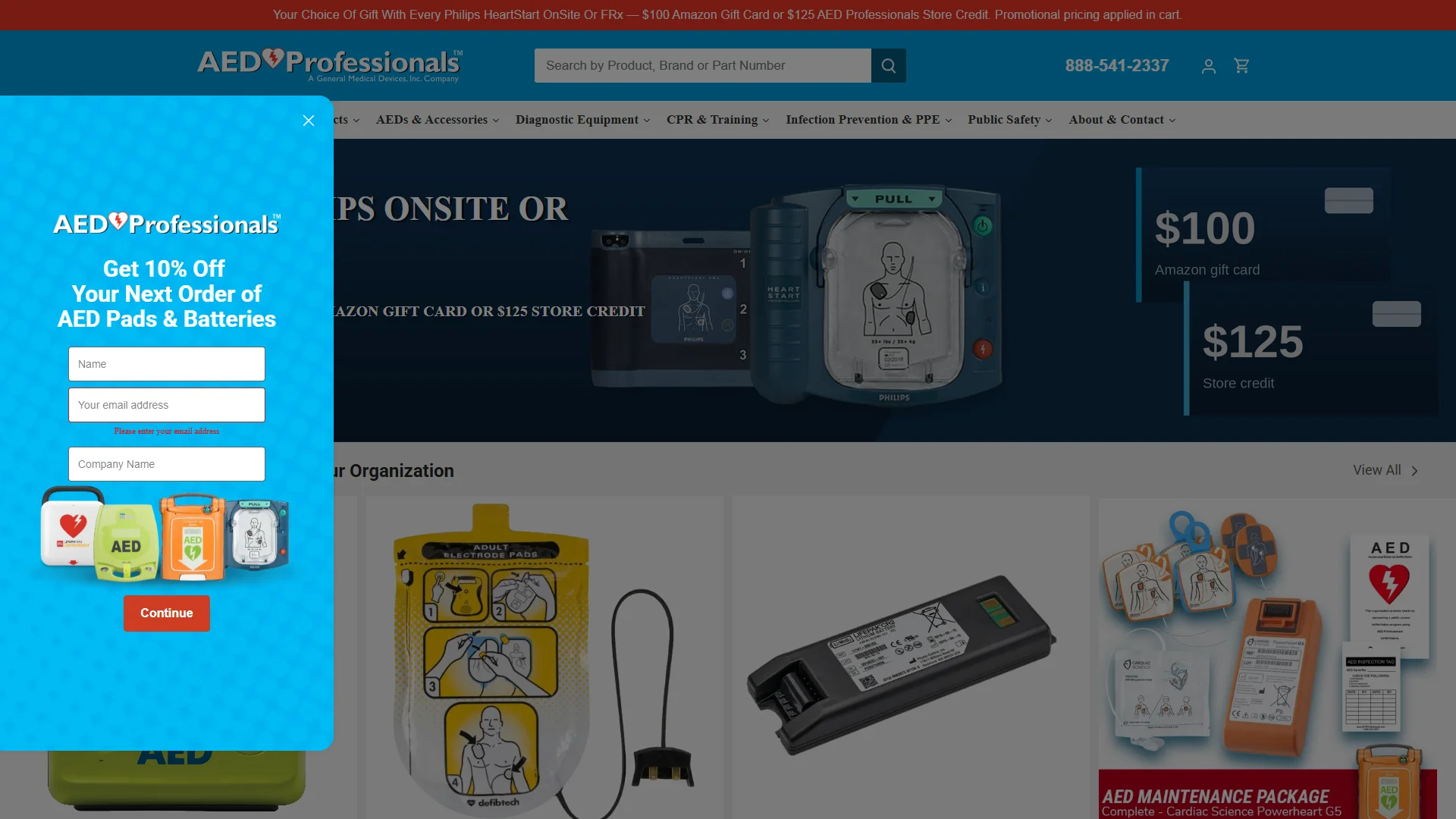
Overview: AED Professionals is included in the supplied roster and is researched in connection with the Masimo SpO2 sensor category. The available dossier does not clearly establish company history, product materials, manufacturing capabilities, sensor features, certifications, or a specific compatible SpO2 sensor model. The supplied evidence does identify a sales-channel promotion concerning Philips HeartStart products, but that promotion does not establish technical compatibility for SpO2 sensors.
Pros / Key Features
- Official website is available for product and stock inquiries.
- The supplied research connects the company with the Masimo SpO2 sensor category.
- Specific sensor specifications and compatibility details were not clearly documented in the supplied evidence.
- Promotional information about AED products should not be interpreted as evidence about SpO2 sensor performance.
Use Cases / Best For
AED Professionals may be considered by purchasers seeking a retail or supply-channel quotation, particularly when the required accessory is associated with a known device ecosystem. Buyers should request a product page, manufacturer part number, connector details, and confirmation that the item is intended for the exact monitor in use.
5. PanSW Medical
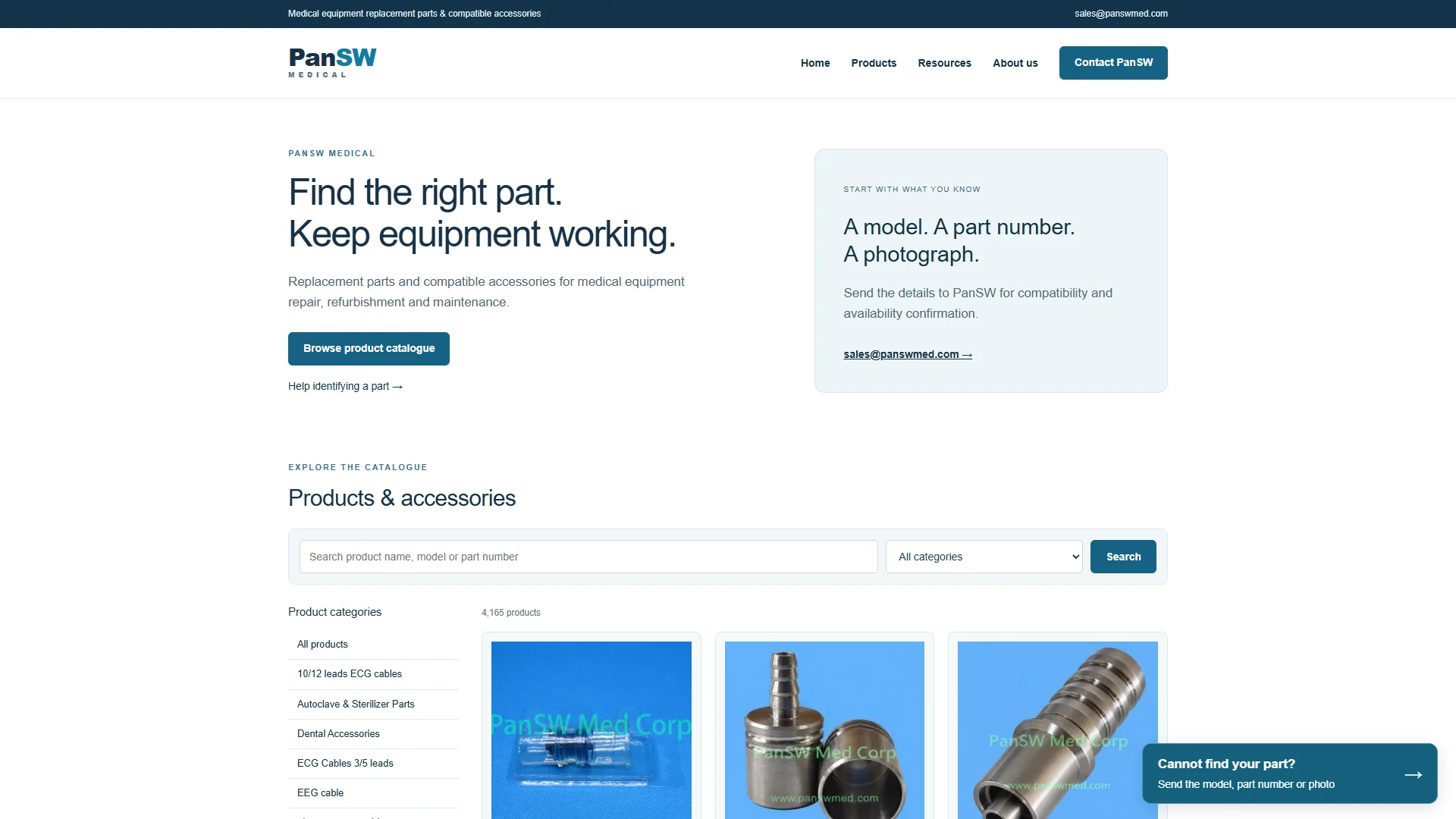
Overview: PanSW Medical is researched for the patient-monitoring accessories category. The supplied dossier does not clearly document its history, location, market coverage, product materials, manufacturing arrangements, customization options, certifications, or specific SpO2 sensor models. This limits the extent to which its technical advantages or application range can be evaluated from the available evidence.
Pros / Key Features
- Official company website is available for direct sourcing inquiries.
- Patient-monitoring accessories are identified as a relevant research category.
- Product-level compatibility, performance, and regulatory information should be obtained before purchase.
- The available dossier does not support claims about universal monitor compatibility or specific construction materials.
Use Cases / Best For
PanSW Medical may be appropriate for buyers conducting supplier-level research for patient-monitoring accessories. It is best suited to procurement processes that include technical review, sample evaluation where appropriate, and confirmation of the original monitor manufacturer’s compatibility requirements.
How to Choose a Compatible SpO2 Sensor
- Match the monitor model: Confirm the monitor manufacturer, model number, and software or accessory requirements. A connector that fits physically may still be electrically or electronically incompatible.
- Check the original part number: Use the existing sensor label, monitor manual, or equipment service documentation to identify the approved replacement reference.
- Confirm patient category: Adult, pediatric, infant, and neonatal sensors can differ in size, placement, operating range, and intended use.
- Choose the correct sensor format: Verify whether the application requires a reusable clip, disposable adhesive sensor, wrap sensor, ear sensor, or another configuration.
- Review connector and cable details: Check connector shape, pin configuration, cable length, strain relief, and whether an adapter is prohibited by the monitor manufacturer.
- Evaluate cleaning and reuse instructions: Reusable sensors should include clear instructions for cleaning, disinfection, inspection, and replacement.
- Request documentation: For clinical use, ask for instructions for use, labeling, regulatory information applicable to the destination market, warranty terms, and compatibility statements.
- Consider supply continuity: Hospitals and distributors should evaluate lead times, minimum order quantities, repeat availability, packaging, and lot traceability.
- Do not rely on appearance alone: Similar-looking sensors may use different signal protocols, optical components, or connectors. Functional verification should follow the facility’s equipment procedures.
Final Verdict
Unimed is the strongest overall starting point because buyers can approach a manufacturer-focused source and request model-specific information for a compatible SpO2 sensor. Bound Tree is a reasonable distributor-oriented option where service and supply-channel support matter. Life-Assist, AED Professionals, and PanSW Medical remain possible sourcing contacts, but the supplied research does not provide enough verified technical detail to rank a particular sensor model for clinical compatibility. The final choice should be based on the monitor manufacturer’s requirements, the exact part number, patient category, intended use, documentation, and availability—not on brand name or connector appearance alone.
FAQs
What does “compatible SpO2 sensor” mean?
It generally means that a sensor is intended to work with a specified pulse oximeter or patient monitor. Compatibility should be confirmed by monitor model, connector, signal requirements, patient category, and the supplier’s documentation.
Can any sensor with the same connector be used?
No. A matching physical connector does not guarantee electrical, optical, software, or clinical compatibility. The monitor manufacturer’s approved accessory list or a supplier’s written compatibility confirmation should be checked first.
Should buyers choose reusable or disposable sensors?
The choice depends on patient volume, infection-control procedures, clinical setting, cost, and the monitor’s approved accessories. Reusable sensors require appropriate cleaning and inspection, while disposable sensors may be preferred when single-patient or single-use protocols are required.