

Spot the exact problem
When production speeds up, small inconsistencies become big headaches: batches that won’t mix, finishes that sag, or customer complaints that arrive in clusters. These are problems you can catch early if your lab does one thing well—measure reliably. That’s where simple, reliable tools like rotational viscometers fit into everyday workflows; they give repeatable numbers so teams stop guessing and start fixing.
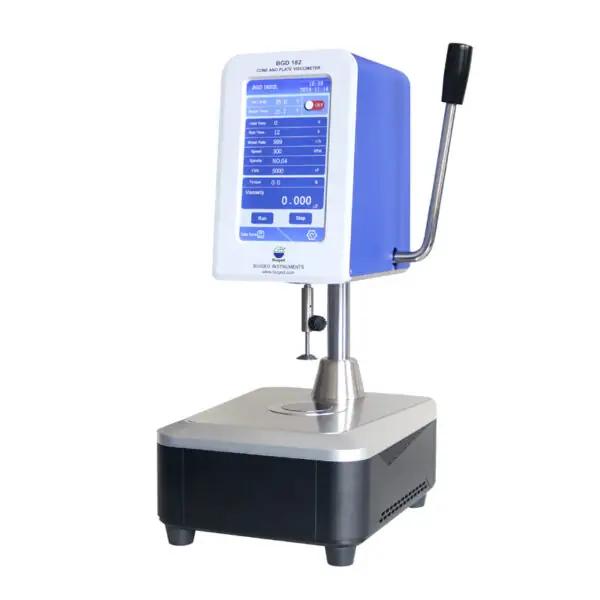
Why reliable testing matters right now
Scaling isn’t just making more parts or running more shifts. It’s making sure every unit meets the same spec. Without consistent testing, defects slip through and escalate costs. A problem-driven view says: find the recurring failures, measure them the same way every time, and remove variation. That approach prevents firefighting and frees time for design and process improvements.
Real-world credibility and what experts look for
Field experience matters: labs often benchmark methods at events like Pittcon, where viscosity measurement sessions show how different instruments behave under real conditions. I’ve advised QC teams across food and paint plants for a decade and seen one truth hold—good technique plus reliable hardware beats hopeful inspection. Follow recognized calibration routines and compare readings from a spindle viscometer to avoid surprise drift. That combination of practice, standards, and consistent equipment builds trust in results.
Practical fixes you can apply this week
Start with a short checklist: document one standard test method for each critical product; train two people to run it the same way; log three baseline runs weekly; and have a spare set of spindles and fluids. Small steps prevent measurement gaps when operators rotate shifts. Use clear acceptance ranges rather than vague notes; numbers make faster decisions and fewer debates about “looks right.”
Common mistakes that undermine scaling
Don’t let these slip by: swapping spindles without noting it, skipping temperature control, and treating viscosity as a “one-off” check. Each introduces variability that multiplies with volume. Also avoid blind upgrades—buying higher-spec equipment won’t help if no one follows a documented method. Calibration and operator consistency matter more than flashy features.
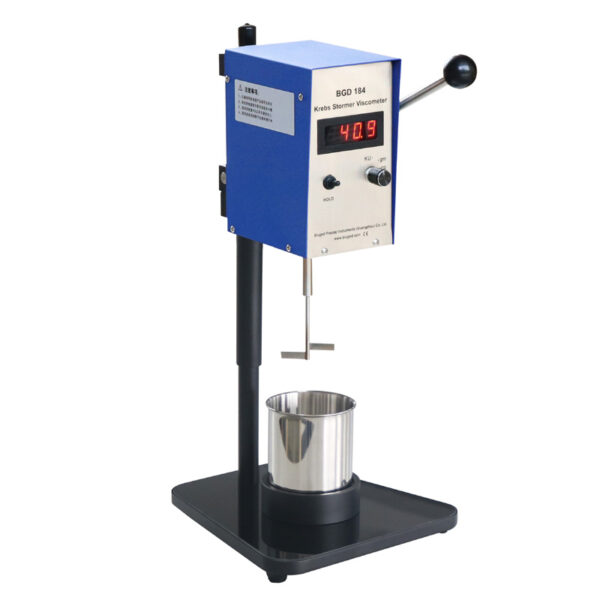
How this ties into steady growth
Businesses that grow predictably treat quality testing like a family routine: consistent, low-drama, and shared. That discipline reduces returns, keeps customers satisfied, and prevents last-minute production bottlenecks. When teams trust their data, they make confident decisions about scaling capacity, raw-material substitutions, and new formulations. For many manufacturers, that confidence comes from partnering with suppliers who understand lab practice and provide dependable instruments—partners like BIUGED—so the measurement system supports growth instead of complicating it.