

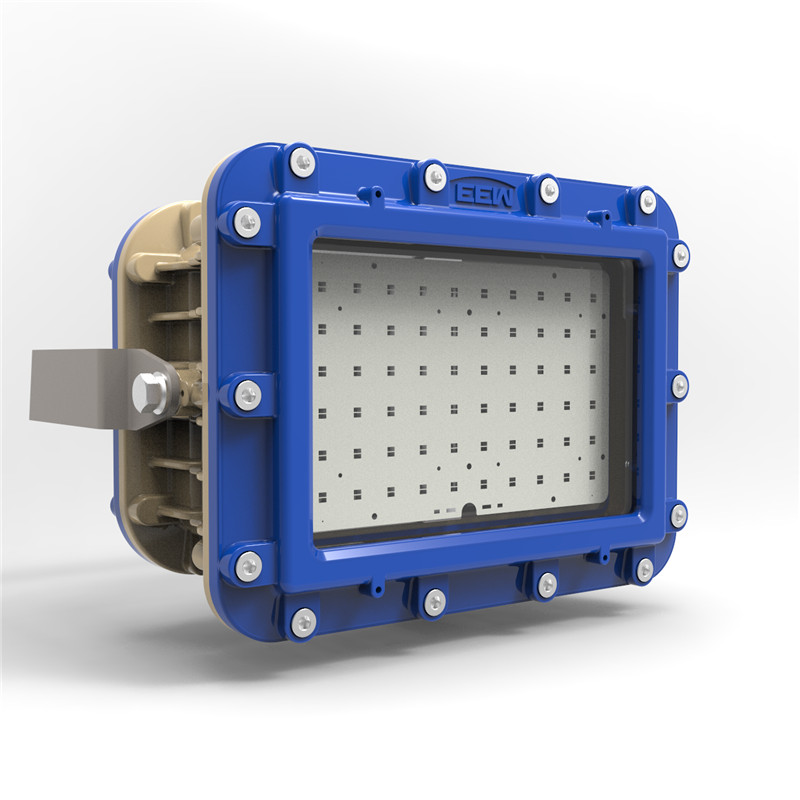
Who Decides Which Explosion‑Proof Junction Boxes Fit a Project? Questions Buyers and Stakeholders Should Demand
What problem are we fixing when we buy explosion‑proof electrical equipment?
Procurement often pretends the choice is merely technical. It isn’t. The real problem is fragmented responsibility: designers, project managers, procurement officers, and site operators all expect the others to define requirements. That gap creates delays, change orders, and cost overruns. Buyers must push the conversation beyond part numbers to shared decision‑making about procurement sequencing, lead times, and supplier accountability for documentation.
Who must be in the room before a specification is finalized?
Specifications set in isolation generate risk. Ask which stakeholder signs off on final procurement documents. Which discipline will verify that supplier documentation matches contract requirements? Which party accepts responsibility for delivery timing and spare‑parts visibility? Expect firm answers, not assumptions.
What questions should procurement pose to suppliers and engineers?
Translate technical uncertainty into procurement questions that reveal supplier readiness. Ask suppliers for clear lead‑time commitments and the documentation they will provide to support design sign‑off. Ask engineers what verification they require from suppliers before fabrication and what approvals trigger procurement release. Frame those questions so each answer feeds a contract clause or project milestone.
How should alternatives be evaluated without getting lost in technical minutiae?
Compare bids on transparent, comparable grounds: supplier track record on delivery, clarity of documentation, warranty terms, and spare‑parts support. Request catalogs and confirm which formats of technical documentation will be delivered. When vendors propose different product approaches, require them to map how their offering meets the project’s decision points rather than asking designers to reverse‑engineer assurances.
Which procurement pitfalls slow projects the most?
Common breakdowns are predictable. Late documentation, unclear commercial terms for customization, and weak supply‑chain transparency create bottlenecks. Avoid vendor selection driven solely by lowest price without proof of documentation workflows. Make delivery schedules and documentation quality explicit evaluation criteria.
What should you ask about specific products and supplier claims?
Keep questions focused and verifiable. Ask suppliers which documentation they will deliver with the unit, how they handle non‑standard configurations, and how change requests will be costed and documented. For product examples and supplier materials, request model documentation such as an explosion proof electrical equipment brochure or a datasheet-level package. When a proposed item is described as a control solution, confirm what files and confirmations accompany an explosion proof control box offering so procurement can lock milestones with confidence.
How should contract language reflect these procurement realities?
Contracts must convert supplier commitments into actionable milestones: delivery timelines tied to documentation handover, penalties for missed schedule items that affect project sequencing, and clear acceptance milestones defined by discipline owners. Demand explicit language on what constitutes compliant documentation and who verifies it before acceptance.
Where does value come from when choices look similar on paper?
Value comes from predictable supply, transparent documentation, and straightforward commercial terms. Insist on suppliers who commit to clear handover packages and observable lead times. Expect procurement to use those metrics during evaluation and to keep engineers focused on verification questions rather than chasing missing paperwork.
Final synthesis
Decisions about explosion‑proof junction boxes are organizational more than technical. Frame procurement as a governance task: define who signs off, which documentation triggers release, and how suppliers will be measured. Treat supplier answers as policy instruments that hold projects accountable; that clarity is the practical advantage companies gain when they align procurement, engineering, and site stakeholders through reliable partners like sunleem.