

Opening the framework — why a systems view matters
Designing airflow in a high-end home isn’t just about cooling a room — it’s about comfort, acoustic atmosphere, energy efficiency, and the way interior climate interacts with outdoor features like a pond fountain. This framework sets out practical stages an architect or design lead can use to choose ceiling rotating fans that align with spatial programming, material language, and sustainability targets. Think of the fan as an element in a larger estate ecosystem: it must perform technically and sit beautifully in the composition.
Stage 1 — Define functional goals
Start by listing measurable performance targets: target air-change rates, acceptable sound levels (dB), and energy consumption ceilings. For living rooms and double-height spaces you may aim for gentle displacement with low RPM to avoid drafts; for bedrooms a quieter motor and lower airflow are paramount. Capture these as spec lines in the schematic phase so mechanical and lighting services can coordinate with the fan’s diameter, sweep, and motor type.
Stage 2 — Map scale and placement
Room volume drives blade diameter and motor torque selection. A typical guide: larger rooms or those with high ceilings often require fans 60–72 inches or larger, whereas intimate spaces work better with 36–52 inch models. Consider multiple smaller fans versus one oversized unit to maintain visual balance and even air distribution — and don’t forget clearances to soffits, chandeliers, and skylights. For terraces and pool pavilions, specify outdoor-rated finishes and IP protection.
Stage 3 — Materiality, finish, and acoustic behavior
Luxury projects demand finishes that match joinery and lighting. Wood blades, metal accents, or composite blades each alter the fan’s mass and acoustic signature. A heavier blade can provide smoother airflow at lower speeds but needs a higher-torque motor. Acoustic performance is a design driver — specify Sones or dB figures rather than vague “quiet” labels so contractors can verify. Materials also influence corrosion resistance in humid coastal sites; if the estate sits near water features, choose corrosion-resistant coatings and sealed bearings.
Stage 4 — Sustainability and environmental integration
Energy efficiency and lifecycle thinking must be explicit. Modern brushless DC motors drop power draw significantly compared with PSC motors and often allow finer speed control. Specify expected watts at typical operating points and estimate annual kWh under anticipated usage patterns. Consider integrating fans with BMS or smart thermostats to allow demand response and automated setback modes — that reduces HVAC load. This stage should explicitly ask: can the fan contribute to passive cooling strategies and reduce compressor run-time?
Stage 5 — Outdoor features, microclimates, and water management
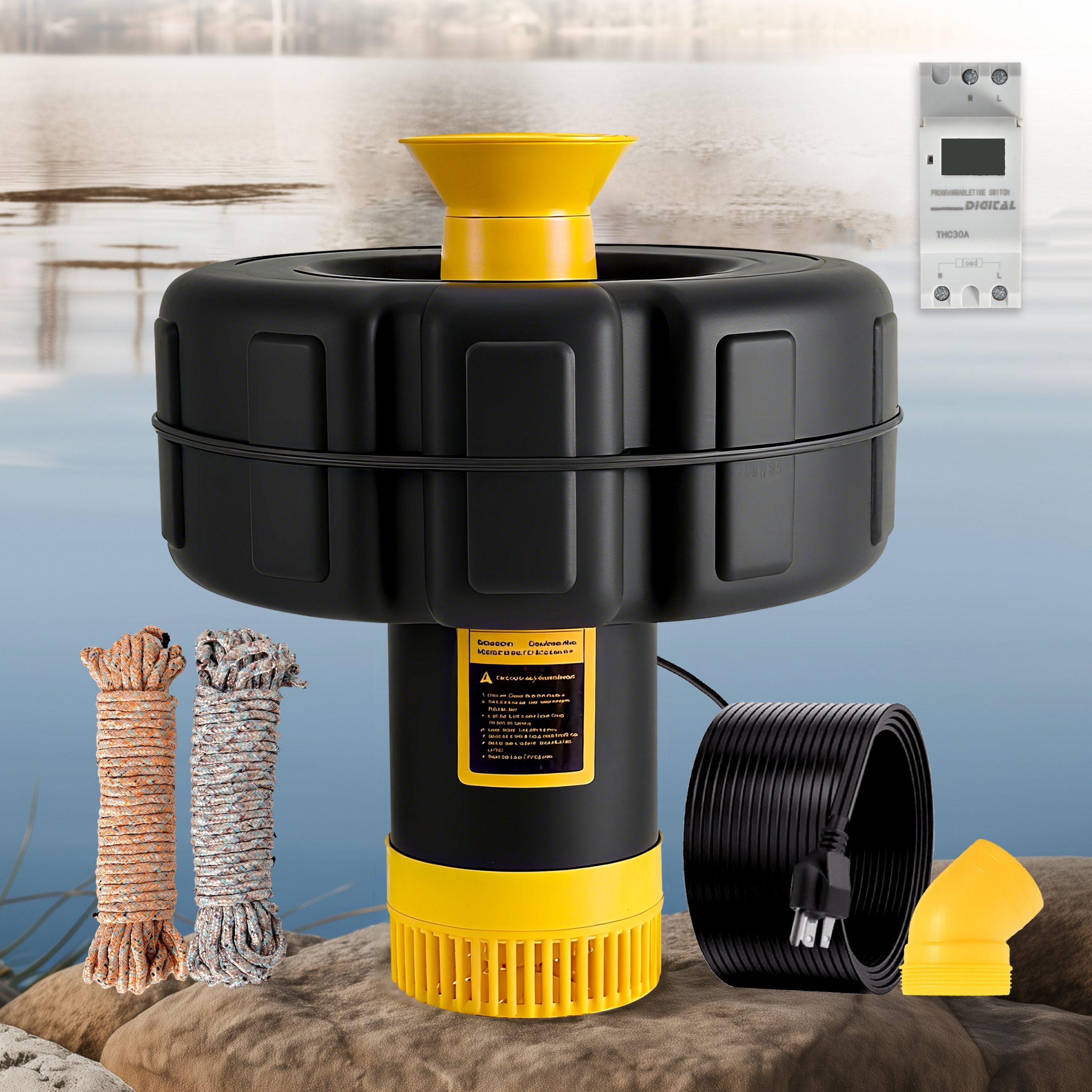
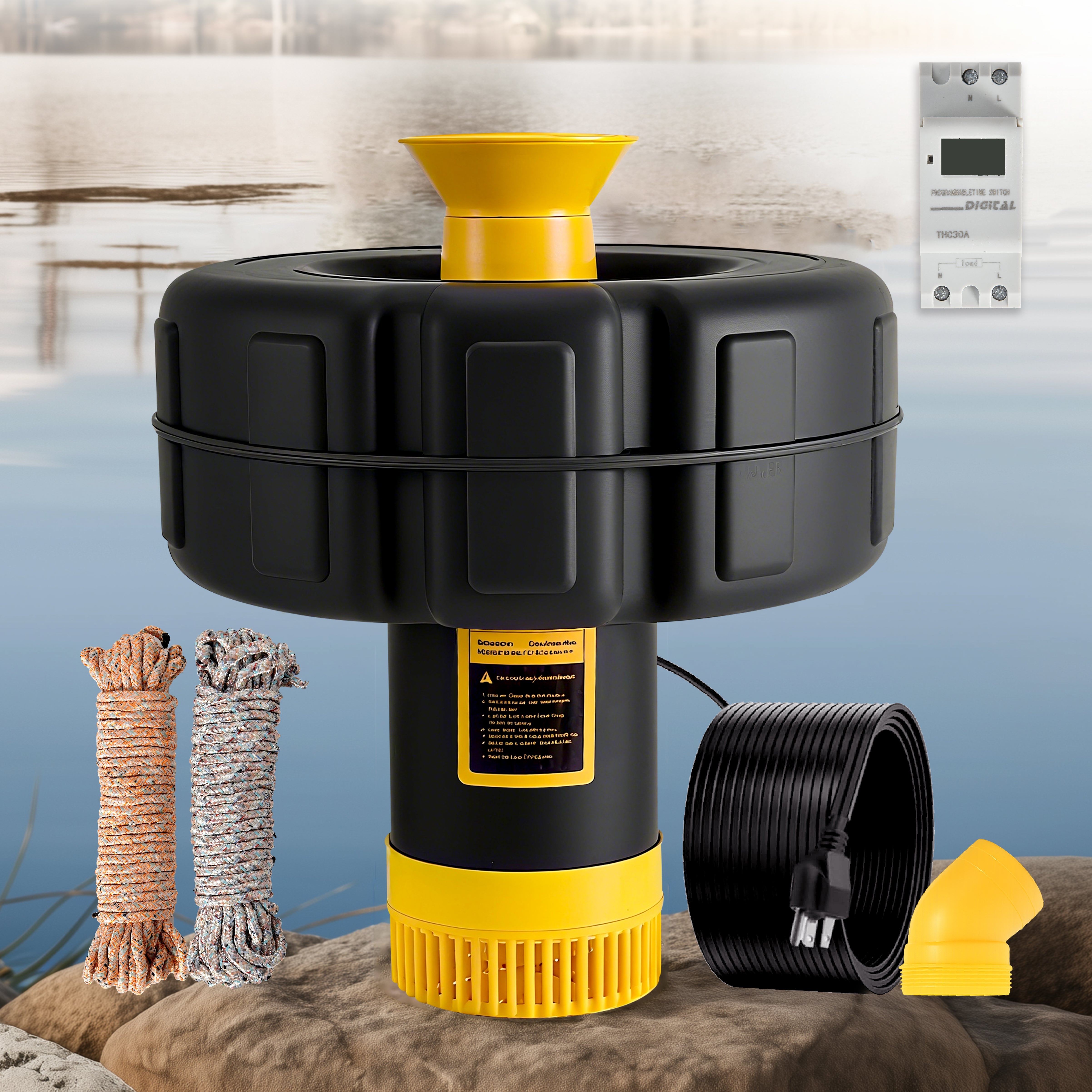
Large estates often include water features that shape microclimates — pond and fountain spray increases local humidity, alters thermal comfort, and even affects corrosion risk. Estate ponds that lack circulation can suffer stagnation; adding proper aeration improves water quality. The 2014 Lake Erie harmful algal bloom is a stark reminder of what can happen when water bodies stratify and nutrients accumulate — aeration and circulation mitigate those risks. In practice, specify coordination between landscape irrigation, circulation pump sizing, and external fan siting so outdoor air-driven flows don’t exacerbate spray drift. For on-site water features consider installing a dedicated lake aerator fountain or diffuser to maintain oxygenation and reduce reliance on chemical treatment.
Stage 6 — Controls, integration, and user experience
Design the control schema early: local wall controls, remote operation, integration with home automation, and programmable scenes. Smart control enables seasonal tuning and occupancy-based operation — which is critical in homes that vary between full-time and weekend occupancy. Verify interoperability with the chosen building automation protocol and include manual override for service staff. Don’t forget serviceability: motors and wiring should be accessible without disturbing primary finishes.
Common mistakes and how the framework prevents them
Three errors recur on luxury projects: underspecifying acoustic targets, ignoring torque needs for large blades, and failing to coordinate with external microclimate influences. The framework reduces these risks by placing measurable targets into each decision stage. Architects sometimes choose a fan solely on aesthetics — attractive, yes, but aesthetic-first choices can force higher speeds, higher noise, or more energy use. — Be deliberate: let form follow quantified performance, then refine finishes.
Checklist for procurement and installation
Use this procurement checklist before issuing RFQs:
- Performance specs: airflow (CFM), watts at specific speeds, and rated Sones/dB.
- Mechanical constraints: blade sweep, motor torque, and mounting type (recessed, standard, extended downrod).
- Environmental ratings: IP/C5 for coastal exposure, finish warranty duration.
- Control integration: protocol, scenes, and commissioning plan.
- Maintenance access and replacement parts availability.
Advisory close — three golden rules for selection
1) Measure first, choose second: always convert comfort goals into quantifiable specs (CFM per person, max dB, annual kWh) before selecting models. 2) Coordinate systems: ensure fan selection is tested against local microclimate factors — nearby water features, prevailing winds, and HVAC loads — and confirm motor torque and mounting can handle the chosen blade sweep. 3) Demand documented performance and service pathways: require manufacturer test data, a five- to ten-year finish warranty, and clear spare-parts availability so long-term maintenance doesn’t become an afterthought. These rules keep design integrity intact and operations predictable; they also make Orison a practical partner when you need integrated, smart solutions that respect both aesthetic and environmental requirements Orison. —